
In homes, offices, and public restrooms, the humble tissue box remains an essential fixture. But as design, hygiene, and space efficiency become increasingly important, a quiet revolution is underway: the shift from traditional table-top tissue boxes to wall-mounted dispensers. By 2025, more homeowners and facility managers are reevaluating this small but impactful detail. So, is upgrading to a wall-mounted tissue dispenser truly worth it? The answer depends on your priorities—hygiene, aesthetics, cost, and convenience all play a role.
Space Efficiency and Design Flexibility
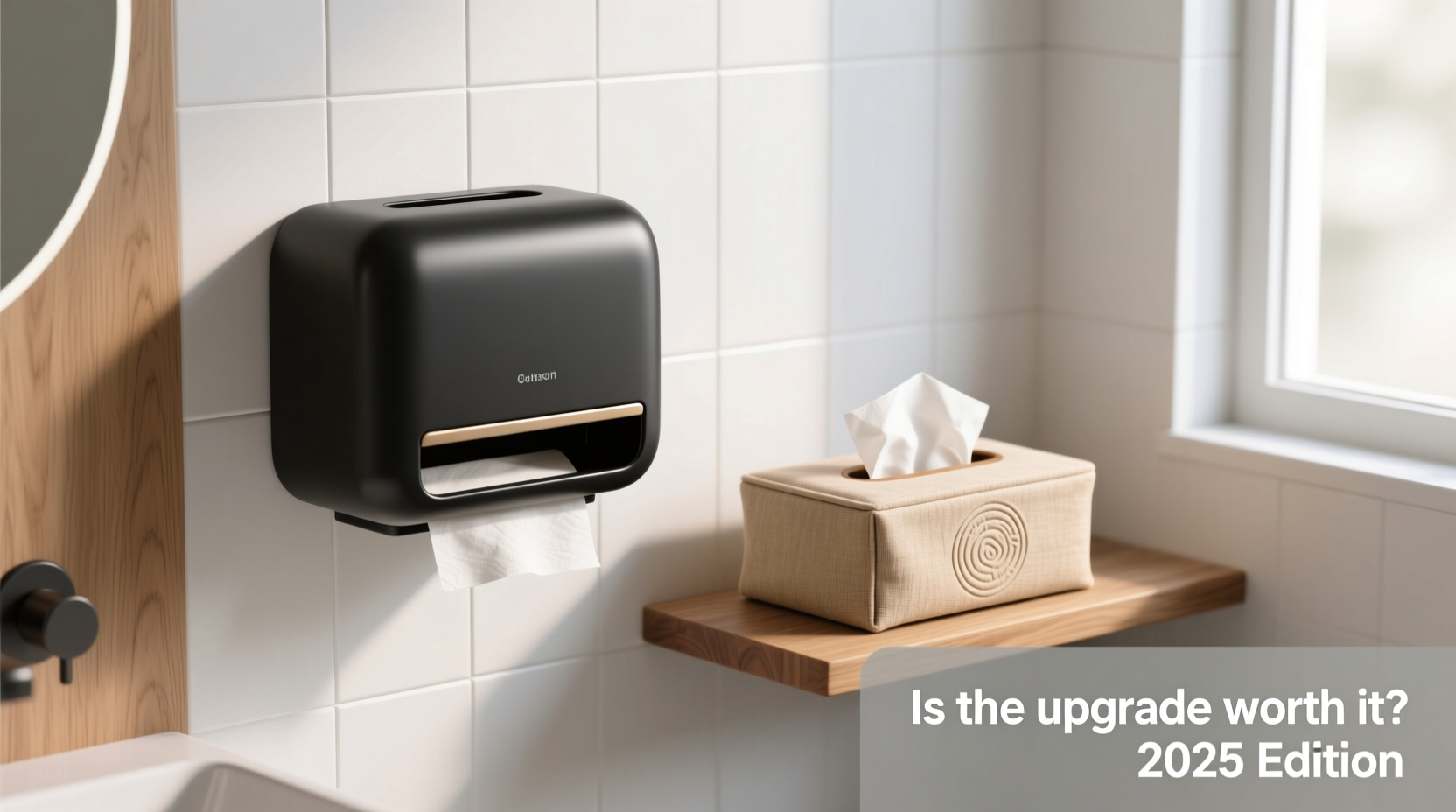
One of the most immediate advantages of wall-mounted tissue dispensers is their ability to free up surface space. In compact bathrooms, powder rooms, or office desks, every inch counts. Table-top tissue boxes occupy valuable countertop or shelf area that could be used for hand soap, decorative items, or personal care products.
Wall-mounted units eliminate clutter by relocating tissues to unused vertical space. This is especially beneficial in modern minimalist interiors where clean lines and uncluttered surfaces define the aesthetic. With mounting options ranging from brushed nickel to matte black, today’s dispensers blend seamlessly into contemporary decor.
Hygiene and Reduced Contamination
Surface contact is a major vector for germ transmission. A tissue box sitting on a countertop can easily become contaminated through splashes, airborne particles, or frequent handling. Once soiled, the entire box and its contents pose a hygiene risk.
In contrast, wall-mounted dispensers keep tissues elevated and out of splash zones. Many models feature spring-loaded or push-lever mechanisms that allow one-handed operation, minimizing direct contact with the dispenser after the first pull. Some advanced versions even offer touch-free infrared sensors—commonly found in commercial settings but now entering residential markets.
“Reducing surface contamination starts with smart product placement. Wall-mounted dispensers significantly lower cross-contamination risks.” — Dr. Lena Patel, Environmental Health Specialist
Comparison: Wall-Mounted vs Table Tissue Boxes
| Feature | Wall-Mounted Dispenser | Table-Top Tissue Box |
|---|---|---|
| Space Usage | Uses vertical wall space; frees up surfaces | Takes up counter or shelf space |
| Hygiene Level | Higher – less exposure to contaminants | Lower – prone to moisture and germs |
| Installation | Requires drilling and secure mounting | No installation needed |
| Lifespan | Years (durable materials like metal or ABS plastic) | Months (cardboard degrades; plastic holders wear out) |
| Aesthetic Integration | Customizable finishes; built-in look possible | Limited design options; often disposable packaging |
| Cost (Upfront) | $15–$50 per unit | $1–$5 per box or holder |
| Maintenance | Refill required; occasional cleaning | Frequent replacement; disposal needed |
Real-World Application: A Home Renovation Case Study
The Thompson family renovated their guest bathroom in early 2024 with a focus on durability and elegance. Previously, they used a standard tissue box on the vanity, which frequently got wet from sink splashes and had to be replaced every few weeks. After researching modern fixtures, they installed a stainless steel wall-mounted pull-down dispenser near the hand towel bar.
Within three months, they noticed fewer replacements, no water damage to tissues, and improved visual cohesion in the room. “It’s such a small change,” said homeowner Maria Thompson, “but we use it multiple times a day. It feels more intentional, cleaner, and honestly, a little luxurious.”
Their experience reflects a growing trend among mid-tier home upgrades—where functionality meets subtle sophistication.
Cost-Benefit Analysis Over Time
At first glance, wall-mounted dispensers appear more expensive than cardboard tissue boxes. However, when evaluated over a 3–5 year period, the long-term value becomes clear.
- Reduced waste: Fewer damaged or damp tissues mean less frequent discarding.
- Durability: Metal or high-grade plastic dispensers withstand daily use without fraying or breaking.
- Refill compatibility: Most models accept standard folded tissues, eliminating the need for proprietary refills.
- Resale appeal: Upgraded fixtures contribute to perceived home quality during property evaluations.
While a single table-top box may cost $1, households typically go through dozens annually. Add in replacement plastic holders or decorative containers, and annual spending can exceed $50. Meanwhile, a $30 wall-mounted unit pays for itself in under two years when factoring in reduced consumption and longer lifespan.
Step-by-Step Guide to Upgrading Your Tissue Setup
- Evaluate your space: Identify areas where tissues are used most—bathrooms, kitchens, home offices.
- Choose the right model: Select a finish that matches existing hardware (e.g., chrome, brushed nickel).
- Mark the mounting location: Use a level and pencil to ensure straight alignment.
- Drill pilot holes: For tile or drywall, use appropriate anchors to secure the unit.
- Install and test: Attach the dispenser, load tissues, and operate the mechanism to confirm smooth function.
- Dispose of old holders responsibly: Recycle cardboard boxes; donate reusable plastic containers.
Common Misconceptions About Wall-Mounted Dispensers
Despite their benefits, some hesitation remains due to outdated assumptions:
- “They’re only for commercial use.” While common in offices and hotels, residential designs have evolved to match home aesthetics.
- “They’re hard to refill.” Modern units feature easy-open lids or sliding trays designed for quick reloading.
- “They damage walls.” Proper installation using anchors minimizes risk, and units can be removed cleanly if needed.
FAQ
Can I use any tissue brand with a wall-mounted dispenser?
Most wall-mounted dispensers accommodate standard folded facial tissues (approximately 7” x 7”). Always check manufacturer specifications, but brands like Kleenex, Puffs, and generic store labels typically work without issue.
Are wall-mounted dispensers suitable for homes with kids?
Yes—many models are designed with child-friendly levers or easy-pull tabs. Mounting at a lower height ensures accessibility while still keeping tissues off potentially dirty surfaces.
Do wall-mounted dispensers reduce tissue usage?
Anecdotal evidence and behavioral studies suggest they do. Because tissues dispense one at a time, users are less likely to grab multiple sheets unconsciously—a common habit with open-top table boxes.
Final Verdict: Is the Upgrade Worth It in 2025?
The shift toward wall-mounted tissue dispensers isn’t just a passing trend—it’s a reflection of evolving standards in home hygiene, spatial intelligence, and design-conscious living. As more consumers prioritize sustainability, cleanliness, and intentional interior choices, the table-top tissue box is beginning to feel outdated.
In 2025, upgrading to a wall-mounted system offers measurable benefits: reduced clutter, improved sanitation, longer product life, and enhanced visual appeal. While the initial effort and cost may give pause, the long-term advantages make it a smart investment for both homeowners and commercial spaces.
The tissue dispenser may seem like a minor detail, but in the sum of daily interactions, it contributes to how a space feels—organized, clean, and thoughtfully designed. For those considering a small upgrade with outsized returns, this is one change that delivers quietly, consistently, and effectively.




 浙公网安备
33010002000092号
浙公网安备
33010002000092号 浙B2-20120091-4
Comments
No comments yet. Why don't you start the discussion?