
Experiencing sudden trembling hands and a wave of sweat can be unsettling. These symptoms often appear together and may stem from something as simple as skipping a meal or as serious as an underlying medical condition. While occasional episodes are usually harmless, frequent or severe shaking and sweating warrant attention. Understanding the root causes—and knowing how to respond—can help you manage symptoms effectively and improve your overall well-being.
Common Causes of Shaking and Sweating
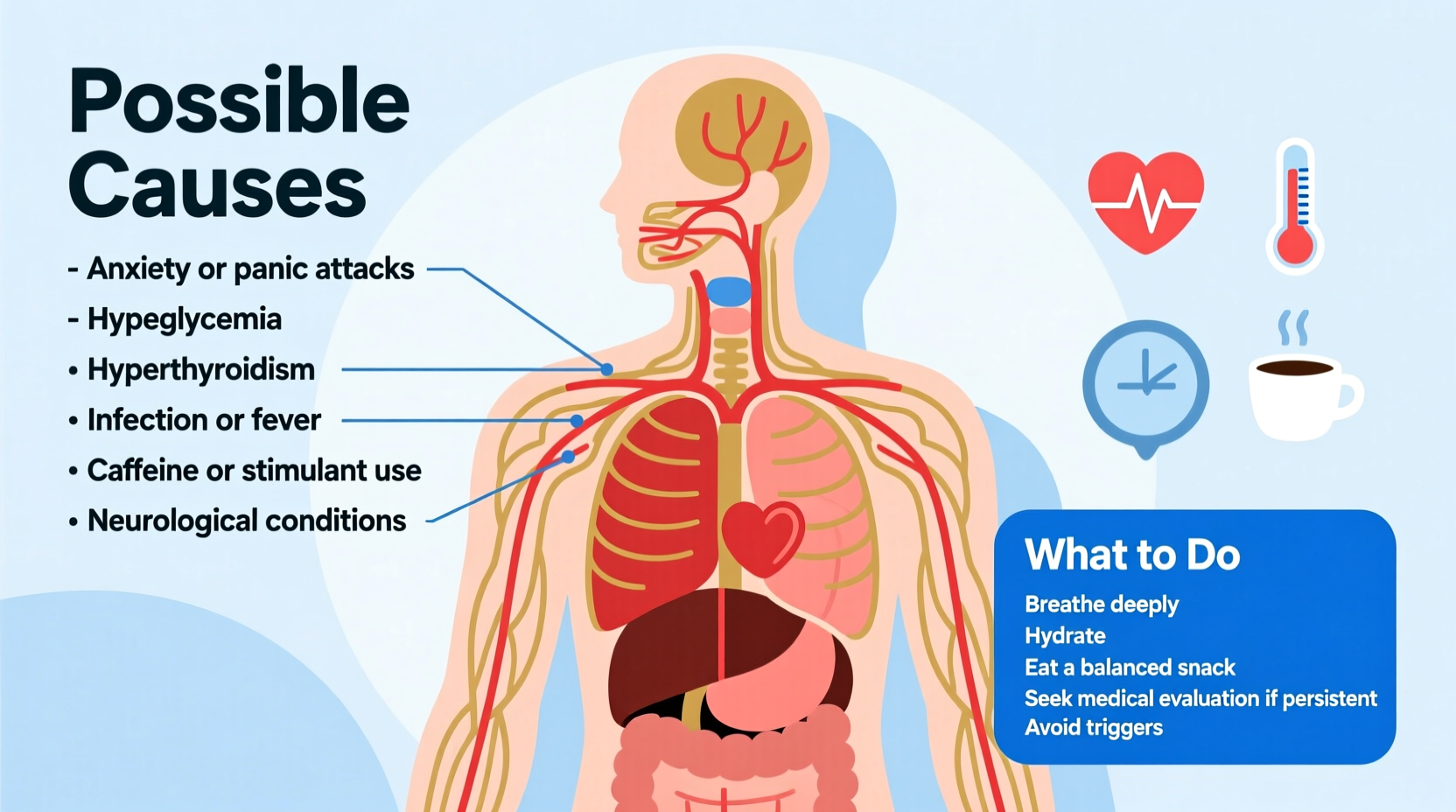
Shakiness and sweating are frequently linked because both are regulated by the autonomic nervous system, which activates during stress or physiological imbalance. The most prevalent triggers include:
- Low blood sugar (hypoglycemia): Especially common in people with diabetes, but can also affect non-diabetics after long periods without eating.
- Anxiety or panic attacks: The body’s “fight-or-flight” response increases heart rate, causes trembling, and triggers perspiration.
- Infections or fever: When the body fights infection, it may produce chills, shivers, and sweating as temperature fluctuates.
- Medication side effects: Certain antidepressants, asthma inhalers, and stimulants can induce tremors and sweating.
- Caffeine or stimulant overuse: High intake of coffee, energy drinks, or ADHD medications may cause jitteriness and diaphoresis.
Medical Conditions That May Be Responsible
While transient causes are common, persistent or unexplained symptoms could point to chronic health issues. These require medical evaluation for proper diagnosis and treatment.
Diabetes and Hypoglycemia
People with type 1 or type 2 diabetes are at higher risk of hypoglycemia, especially if they take insulin or certain oral medications. Symptoms often come on quickly and include trembling, cold sweats, dizziness, and confusion. Non-diabetics can also experience reactive hypoglycemia, where blood sugar drops sharply after eating.
Hyperthyroidism
An overactive thyroid gland speeds up metabolism, leading to heat intolerance, sweating, hand tremors, weight loss, and rapid heartbeat. It’s more common in women and can be diagnosed with a simple blood test.
Neurological Disorders
Conditions like Parkinson’s disease or essential tremor primarily cause shaking, but secondary symptoms like stress-induced sweating may accompany them. These typically develop gradually and affect movement coordination.
Infections and Sepsis
Fever-related chills and sweating often occur with infections. In severe cases, such as sepsis, shaking, clammy skin, and confusion signal a medical emergency requiring immediate care.
“Sudden onset of shaking and sweating, especially with confusion or chest pain, should never be ignored—it could indicate a life-threatening condition.” — Dr. Lena Patel, Internal Medicine Specialist
What You Can Do: Immediate Actions and Long-Term Strategies
Depending on the cause, your response should vary. Here’s a step-by-step guide to managing acute episodes and preventing recurrence.
Step-by-Step Guide: Responding to a Sudden Episode
- Stop and assess: Sit down safely. Note the time, your symptoms, and any recent activities (e.g., skipped meals, caffeine intake).
- Check for low blood sugar: If you have diabetes, test your glucose. If not, consume 15 grams of fast-acting carbohydrates (e.g., juice, candy).
- Practice controlled breathing: Inhale slowly through the nose for 4 seconds, hold for 4, exhale through the mouth for 6. Repeat for 2–3 minutes to calm the nervous system.
- Cool down: Remove layers, use a damp cloth, or move to a cooler environment to reduce sweating.
- Reassess after 15 minutes: If symptoms persist or worsen, seek medical help immediately.
Long-Term Prevention Checklist
- ✅ Eat regular, balanced meals with protein, fiber, and healthy fats.
- ✅ Limit caffeine and avoid energy drinks.
- ✅ Monitor blood sugar if you’re diabetic or prone to hypoglycemia.
- ✅ Practice stress management techniques (e.g., meditation, yoga).
- ✅ Review medications with your doctor for possible side effects.
- ✅ Schedule annual physicals, including thyroid function tests.
When to See a Doctor: Red Flags and Warning Signs
Most episodes resolve quickly with self-care. However, certain signs suggest a need for urgent or professional medical evaluation.
| Symptom | May Indicate | Action |
|---|---|---|
| Chest pain with shaking and sweating | Heart attack or angina | Call emergency services immediately |
| Confusion or slurred speech | Severe hypoglycemia or stroke | Seek emergency care |
| Persistent tremors without trigger | Parkinson’s or neurological issue | Consult neurologist |
| Unintentional weight loss + sweating | Hyperthyroidism or other endocrine disorder | Visit primary care provider |
| Fever with chills and rigors | Systemic infection | Monitor; see doctor if lasting >24 hours |
Real-Life Example: A Case of Missed Diagnosis
Sarah, a 42-year-old teacher, began experiencing frequent morning shakes and night sweats. She attributed them to stress until she fainted during class. At the hospital, her blood sugar was critically low, and further testing revealed insulinoma—a rare tumor causing excessive insulin production. After surgery, her symptoms resolved completely. Sarah’s case underscores the importance of not dismissing recurring symptoms, even if they seem benign at first.
Frequently Asked Questions
Can dehydration cause shaking and sweating?
Yes. Dehydration disrupts electrolyte balance, affecting nerve and muscle function. This can lead to muscle twitching, weakness, and compensatory sweating. Rehydrate with water or an oral rehydration solution.
Is it normal to shake and sweat during menopause?
Absolutely. Hot flashes and night sweats are hallmark symptoms of hormonal shifts during perimenopause and menopause. While uncomfortable, they’re usually not dangerous. Lifestyle changes and, in some cases, hormone therapy can help manage symptoms.
Why do I get shaky and sweaty after drinking alcohol?
Alcohol initially suppresses the nervous system but causes rebound stimulation as it metabolizes. This can trigger tremors and sweating, especially in heavy drinkers or those with alcohol withdrawal symptoms. Hypoglycemia from impaired liver function also plays a role.
Take Control of Your Health
Shaking and sweating are signals—not just inconveniences. They reflect your body’s attempt to communicate imbalance, whether metabolic, emotional, or physiological. By learning to interpret these cues, taking prompt action, and seeking medical guidance when needed, you regain control over your health. Don’t wait for symptoms to escalate. Start today: adjust your diet, reduce stimulants, track your patterns, and talk to your doctor if concerns persist.




 浙公网安备
33010002000092号
浙公网安备
33010002000092号 浙B2-20120091-4
Comments
No comments yet. Why don't you start the discussion?