
Bees are more than just honey producers or occasional nuisances at summer picnics—they are fundamental architects of the natural world. Despite their small size, these industrious insects play an outsized role in maintaining ecological balance and supporting global food systems. From wildflower meadows to vast agricultural fields, the quiet hum of bees signals a healthy, functioning environment. Yet, bee populations are declining at an alarming rate due to habitat loss, pesticide use, and climate change. Understanding their true value is not just a matter of environmental interest—it's essential for human survival.
The Role of Bees in Pollination
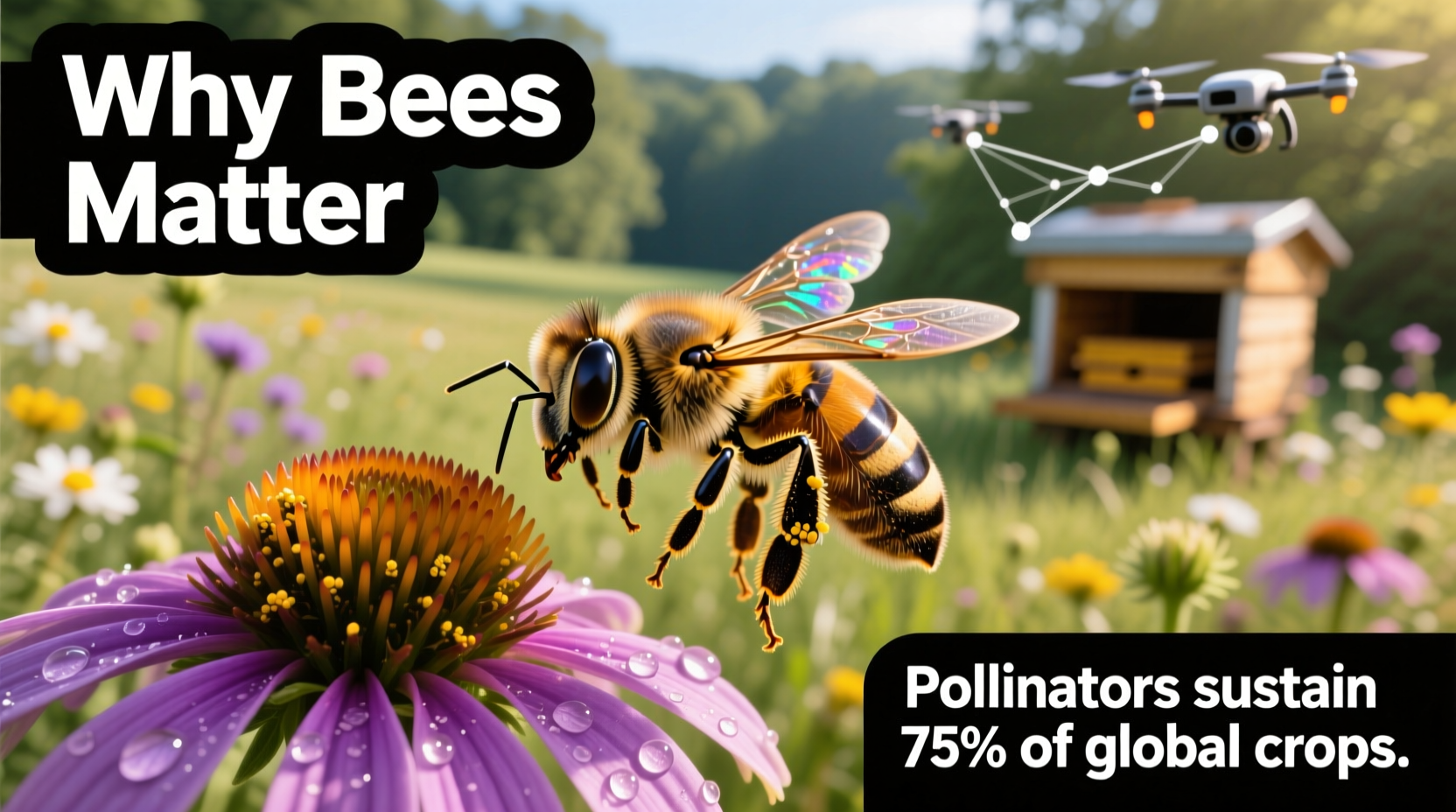
Pollination is the process by which pollen is transferred from the male part of a flower (anther) to the female part (stigma), enabling fertilization and seed production. While wind and water contribute to this process, approximately 85% of flowering plants rely on animal pollinators—with bees as the most effective and widespread.
Honeybees, bumblebees, and thousands of solitary bee species visit flowers in search of nectar and pollen. As they move from bloom to bloom, they inadvertently carry pollen on their bodies, facilitating cross-pollination. This biological service supports the reproduction of over 90 commercially grown crops worldwide, including apples, almonds, blueberries, cucumbers, and coffee.
Without bees, many plants would fail to produce fruit or seeds, leading to cascading effects across food chains. In fact, one out of every three bites of food humans consume exists because of pollinators—primarily bees.
Biodiversity and Ecosystem Stability
Bees do more than support agriculture; they are keystone species in natural ecosystems. By pollinating wild plants, they help maintain plant diversity, which in turn supports countless other organisms—from insects and birds to mammals and soil microbes.
Healthy forests, grasslands, and wetlands depend on diverse plant communities. When bees pollinate native flora, they promote genetic variation within plant populations, increasing resilience to disease and environmental stress. This biodiversity forms the foundation of stable ecosystems capable of withstanding disturbances like droughts or invasive species.
For example, in North American prairies, native bees such as the squash bee (Peponapis pruinosa) specialize in pollinating specific plants, ensuring the survival of both the plant and its dependent wildlife. The disappearance of such specialized relationships can trigger ecosystem collapse.
“Bees are the glue that holds much of terrestrial life together. Lose them, and entire ecosystems begin to unravel.” — Dr. Sarah Thompson, Conservation Biologist, University of British Columbia
Economic Impact of Bee Pollination
The economic value of bee pollination is staggering. According to the Food and Agriculture Organization (FAO), insect pollinators contribute over $235–577 billion annually to global crop output. In the United States alone, honeybee pollination adds an estimated $15 billion to agricultural revenue each year.
Certain crops are almost entirely dependent on bees. Almonds, for instance, require nearly two million hives annually during California’s blooming season—representing about 80% of all managed honeybee colonies in the U.S. Without migratory beekeeping, the almond industry would collapse.
| Crop | Dependence on Bees (%) | Annual Value (USD) |
|---|---|---|
| Almonds | 90–100% | $11 billion |
| Blueberries | 80–90% | $700 million |
| Apples | 70–90% | $4 billion |
| Coffee | 50–75% | $10 billion |
| Squash & Pumpkins | 80–100% | $300 million |
This interdependence underscores how fragile our food system is. A decline in bee health directly threatens food availability, prices, and farmer livelihoods—especially in developing nations where subsistence farming relies heavily on natural pollination.
Threats Facing Bee Populations
Despite their importance, bee populations are under unprecedented pressure. Over the past few decades, scientists have documented sharp declines in both wild and managed bee species. Multiple factors contribute to this crisis:
- Pesticides: Neonicotinoids, a class of systemic insecticides, impair bees’ navigation, foraging ability, and immune function—even at low doses.
- Habitat Loss: Urbanization, monoculture farming, and deforestation reduce access to diverse forage and nesting sites.
- Climate Change: Shifting temperatures and weather patterns disrupt flowering cycles and bee life cycles, leading to mismatches in timing.
- Diseases and Parasites: Varroa mites, fungal pathogens, and viruses spread rapidly in stressed colonies, especially among commercial hives.
- Industrial Agriculture: Large-scale farming often eliminates hedgerows and wildflowers, replacing them with chemically treated, single-crop fields.
A real-world example comes from Ontario, Canada, where a combination of neonicotinoid use and poor weather led to massive hive losses in 2013–2014. Some beekeepers reported losing up to 60% of their colonies, prompting provincial restrictions on certain pesticides. This case illustrates how policy decisions can either exacerbate or mitigate environmental risks.
How to Support Bee Conservation: A Practical Checklist
Protecting bees isn’t solely the responsibility of governments or scientists—individuals can make a meaningful difference. Here’s what you can do:
- Plant a bee-friendly garden with native flowers that bloom in succession throughout the seasons.
- Avoid using synthetic pesticides and herbicides in your yard or garden.
- Install bee hotels or leave patches of bare ground for solitary bees to nest.
- Support local, organic farmers who practice pollinator-safe agriculture.
- Advocate for pollinator protection policies in your community.
- Buy honey from local beekeepers to support sustainable apiculture.
- Leave dandelions and clover in your lawn—they’re early-season food sources for bees.
Frequently Asked Questions
Are all bees pollinators?
Most adult bees are pollinators, as they collect pollen and nectar to feed their young. However, not all bee species are equally effective. Honeybees and bumblebees are generalists, visiting many plant types, while some native bees are specialists, adapted to specific flowers.
Do wasps pollinate too?
Yes, some wasps do pollinate, but they are far less efficient than bees. Unlike bees, which have branched hairs designed to trap pollen, wasps are smoother and less likely to transfer pollen between flowers.
Can I keep bees in my backyard?
In many urban areas, backyard beekeeping is legal and encouraged. However, it requires knowledge, time, and responsibility. Check local regulations and consider taking a beginner’s course before starting a hive.
Conclusion: A Call to Protect Our Tiny Guardians
Bees are not merely beneficial—they are indispensable. Their silent work sustains biodiversity, feeds billions, and stabilizes ecosystems that support all life, including ours. The growing threats they face should serve as a wake-up call, not just for conservationists, but for every person who eats, breathes, or values a thriving planet.
The solutions are within reach: planting pollinator gardens, reducing chemical use, supporting sustainable agriculture, and advocating for stronger environmental protections. Every action counts. By recognizing the profound environmental importance of bees, we take a crucial step toward a more resilient and harmonious world.




 浙公网安备
33010002000092号
浙公网安备
33010002000092号 浙B2-20120091-4
Comments
No comments yet. Why don't you start the discussion?