
Elephants, the largest land mammals on Earth, have roamed the planet for millions of years. Revered in many cultures and vital to ecosystem balance, they now face one of their greatest threats: poaching. Despite international bans and conservation efforts, tens of thousands of elephants have been killed in recent decades for their tusks. Understanding why elephants are poached requires examining economic incentives, cultural demand, weak governance, and the far-reaching consequences of this illicit trade.
The Primary Cause: The Ivory Trade
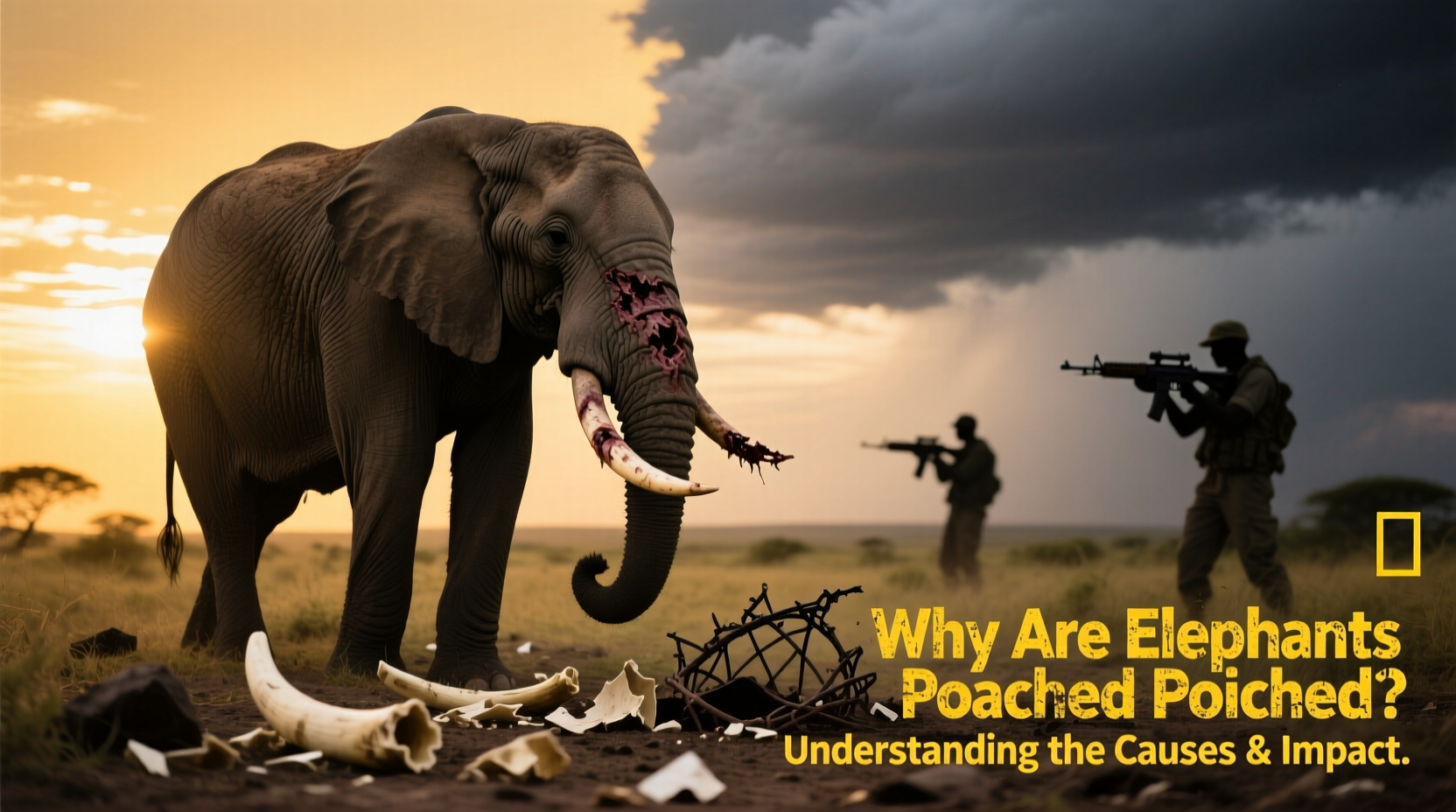
The most significant reason elephants are poached is the demand for ivory. Elephant tusks, composed of dentin, are carved into ornaments, jewelry, religious artifacts, and status symbols—particularly in parts of Asia. Although international trade in ivory has been banned under CITES (the Convention on International Trade in Endangered Species) since 1989, black-market networks continue to thrive.
Ivory is often referred to as \"white gold\" due to its high value. A single pound of raw ivory can fetch up to $1,500 on the black market, making it more valuable than some narcotics by weight. This creates powerful financial incentives for criminal syndicates to organize and execute poaching operations across Africa and Asia.
Socioeconomic Drivers Behind Poaching
Poaching is not solely driven by greed at the top; it is also rooted in poverty and lack of opportunity in rural communities near elephant habitats. Many individuals who participate in poaching do so not out of malice but necessity. In regions where unemployment exceeds 60%, a single successful poaching operation can provide a year’s income.
Criminal networks exploit this vulnerability by recruiting local hunters and trackers, offering them small payments in exchange for intelligence or direct involvement. These individuals rarely see the full profit—most of which flows to middlemen and international traffickers based in urban centers or overseas.
Moreover, corruption within law enforcement and customs agencies enables smuggling routes to persist. In some countries, officials accept bribes to overlook shipments or falsify documentation, allowing ivory to move from remote bushlands to major markets in China, Vietnam, and Thailand.
Key Factors Enabling Elephant Poaching
| Factor | Description | Impact Level |
|---|---|---|
| High Ivory Demand | Strong cultural and symbolic value in certain Asian markets | Very High |
| Poverty in Range States | Limited livelihood options push locals into poaching | High |
| Weak Law Enforcement | Inadequate patrols, training, and equipment for rangers | High |
| Corruption | Bribes allow trafficking networks to operate with impunity | Very High |
| Armed Conflict | Militias use ivory sales to fund weapons and operations | Moderate to High |
Ecological and Social Consequences
The loss of elephants has cascading effects on ecosystems and human communities alike. As keystone species, elephants play a crucial role in maintaining biodiversity. They disperse seeds over vast distances, create water holes used by other animals, and shape forest and savanna landscapes through feeding behavior.
When elephant populations decline, plant regeneration slows, soil erosion increases, and habitat quality deteriorates for numerous species. In some protected areas, scientists have observed a measurable drop in tree diversity following mass poaching events.
On the social side, communities that rely on ecotourism suffer economically when elephant numbers fall. Countries like Kenya and Botswana generate hundreds of millions annually from wildlife tourism, much of it centered around elephant viewing. Declining herds mean fewer tourists, reduced employment, and lost revenue for conservation programs.
“Every elephant killed destabilizes an entire ecosystem. We’re not just losing animals—we’re unraveling the fabric of nature.” — Dr. Joyce Poole, Co-founder of ElephantVoices
A Real-World Example: The Selous Game Reserve Crisis
The Selous Game Reserve in Tanzania once hosted one of Africa’s largest elephant populations—over 100,000 in the 1970s. By 2013, that number had plummeted to fewer than 15,000. Investigations revealed that organized poaching syndicates, often linked to foreign nationals, were responsible for killing approximately 6% of the population annually.
Despite having anti-poaching units, the reserve suffered from underfunding, poor infrastructure, and political neglect. Rangers were outnumbered and outgunned, frequently encountering poachers equipped with military-grade weapons. The crisis drew global attention and led to the site being placed on UNESCO’s List of World Heritage in Danger.
Since then, increased funding, aerial surveillance, and community engagement initiatives have helped stabilize the population slightly. However, recovery remains slow, highlighting how difficult it is to reverse the damage once poaching reaches critical levels.
How to Combat Elephant Poaching: A Step-by-Step Approach
Addressing elephant poaching requires coordinated action across multiple fronts. Here’s a practical, phased strategy for long-term impact:
- Strengthen Anti-Poaching Units: Equip rangers with modern tools such as GPS trackers, drones, and night-vision gear. Provide competitive salaries and training to reduce corruption risks.
- Disrupt Trafficking Networks: Use intelligence-led policing and international cooperation to dismantle smuggling rings, targeting kingpins rather than low-level poachers.
- Reduce Demand Through Education: Launch public awareness campaigns in consumer countries about the true cost of ivory, emphasizing ethical alternatives.
- Support Local Communities: Invest in sustainable livelihoods like eco-tourism, beekeeping, or agroforestry to reduce dependence on poaching.
- Enforce Legal Reforms: Impose stricter penalties for wildlife crimes and ensure courts prioritize these cases to deter future offenses.
Checklist: What You Can Do to Help
- Donate to reputable conservation organizations like Save the Elephants or the African Wildlife Foundation.
- Avoid purchasing any item made from ivory or other endangered animal parts—even if claimed as “antique.”
- Advocate for stronger legislation by contacting your representatives or signing petitions.
- Spread awareness on social media using credible sources and verified campaigns.
- Choose travel operators committed to ethical wildlife tourism.
Frequently Asked Questions
Are all elephants poached for ivory?
No. While both African and Asian elephants have tusks, only male Asian elephants typically possess large ones. Female Asian elephants usually have no tusks or very small ones. However, African elephants—both males and females—commonly have tusks and are therefore more frequently targeted.
Has the ivory ban been effective?
Partially. The 1989 CITES ban significantly reduced legal trade and raised global awareness. However, illegal markets have persisted due to loopholes, corruption, and rising demand in emerging economies. Some countries, including China, have since implemented domestic ivory bans with positive results, though enforcement remains inconsistent.
Can elephant populations recover?
Yes, but only with sustained protection. In well-managed reserves like Amboseli National Park in Kenya, elephant numbers have rebounded thanks to strong anti-poaching measures and community stewardship. Recovery takes time—elephants mature slowly and reproduce infrequently, with females giving birth only every four to five years.
Conclusion: A Call to Collective Action
The poaching of elephants is not just a wildlife crime—it’s a symptom of deeper global challenges involving inequality, governance, and unsustainable consumption. Solving it demands more than sympathy; it requires commitment from governments, businesses, and individuals worldwide.
Each person has a role to play, whether by supporting conservation groups, rejecting illegal wildlife products, or advocating for policy change. The survival of elephants depends not on isolated efforts, but on a united front against exploitation. Protecting them isn’t merely about saving a species—it’s about preserving the integrity of our natural world for generations to come.




 浙公网安备
33010002000092号
浙公网安备
33010002000092号 浙B2-20120091-4
Comments
No comments yet. Why don't you start the discussion?