
In recent years, a quiet but unmistakable shift has taken place in the world of casual footwear. Once reserved for boardrooms or formal occasions, loafers have emerged as the go-to choice for everyday wear—quietly displacing the long-dominant sneaker from its throne. This isn’t just a fleeting trend; it’s a cultural recalibration driven by evolving aesthetics, comfort innovation, and a desire for refined versatility. As fashion lines blur between professional and personal life, people are gravitating toward shoes that offer both polish and practicality. Loafers, with their clean silhouettes and adaptability, fit the moment perfectly.
The decline of the all-sneaker wardrobe doesn’t mean comfort is out—it means sophistication is in. Loafers now come in cushioned soles, lightweight leathers, and modern proportions that rival athletic shoes in wearability. At the same time, the rise of “quiet luxury” and minimalist aesthetics has made sleek, understated footwear more desirable than ever. Whether stepping into a hybrid office, meeting friends for coffee, or traveling across cities, today’s loafer bridges the gap between effortlessness and elegance.
The Cultural Shift Behind the Loafer Resurgence
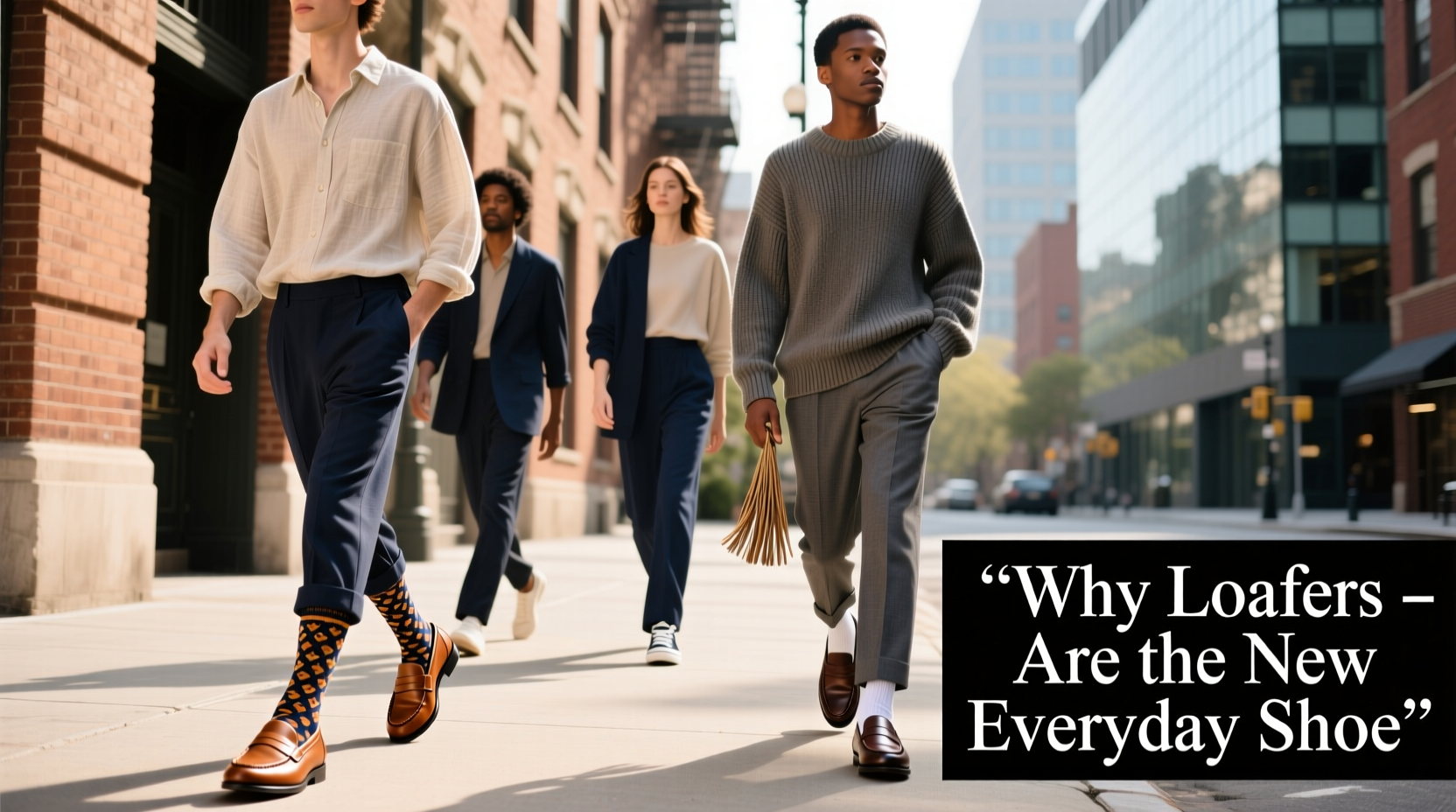
The dominance of sneakers over the past two decades was rooted in a broader cultural embrace of informality. From tech startups to streetwear collaborations, comfort became synonymous with authenticity. But as remote work normalized loungewear, many began seeking subtle ways to reintroduce intentionality into their daily appearance. Enter the loafer: a shoe that signals thoughtfulness without sacrificing ease.
Fashion analysts point to the post-pandemic reevaluation of personal style as a key catalyst. “People still want comfort, but they also want to feel put together,” says Marcus Lin, menswear editor at Style & Culture Journal. “Loafers deliver that balance. They’re like the grown-up version of slip-ons—familiar, accessible, but inherently more polished.”
“Loafers represent a return to sartorial intelligence. They’re not loud, but they’re never overlooked.” — Clara Nguyen, Fashion Historian
This transition is visible across demographics. Young professionals are pairing penny loafers with tailored trousers and unstructured blazers. Gen Z influencers are styling tassel loafers with wide-leg jeans and oversized shirts, blending vintage charm with contemporary flair. Even in traditionally casual settings—like weekend markets or co-working spaces—the sight of leather loafers has become increasingly common.
Why Loafers Outperform Sneakers in Daily Wear
While sneakers remain popular, several functional and aesthetic limitations have contributed to the loafer's ascent:
- Versatility: A well-chosen loafer transitions seamlessly from day to night, office to dinner, without requiring a change of shoes.
- Maintenance: Leather loafers are easier to clean and maintain than fabric sneakers, which often trap odors and stains.
- Longevity: High-quality loafers can last five to ten years with proper care, whereas most sneakers degrade within 12–18 months.
- Style Longevity: Loafers follow classic design principles, making them less susceptible to trends than limited-edition sneakers.
- Foot Health: Many modern loafers now feature arch support and breathable materials, closing the comfort gap with athletic footwear.
Additionally, the environmental cost of fast-fashion sneakers—often made from synthetic materials and discarded after minimal use—has led eco-conscious consumers to invest in durable, repairable alternatives. Loafers, especially those from heritage brands offering resoling services, align with sustainable consumption values.
How to Style Loafers for Any Occasion
One of the greatest strengths of the loafer is its chameleon-like ability to adapt to different wardrobes and contexts. The key lies in choosing the right type of loafer and coordinating it with complementary garments.
1. The Office or Business Casual Setting
For professional environments, opt for a classic cap-toe or penny loafer in black or oxblood leather. Pair them with:
- Tailored wool or cotton trousers (cuffed slightly to showcase the shoe)
- A crisp button-down shirt or fine-gauge knit sweater
- A navy or charcoal blazer for added formality
Avoid bulky socks. Instead, choose no-show or dress socks in neutral tones to maintain a clean line from ankle to shoe.
2. Weekend Errands or Casual Outings
For relaxed settings, experiment with color and texture. Suede loafers in tan, burgundy, or olive green add depth to simple outfits. Style them with:
- Dark denim or chinos
- A tucked-in linen shirt or crewneck tee
- A lightweight chore coat or overshirt
Rolling the hem of your pants once or twice creates a modern, intentional look that highlights the shoe’s shape.
3. Evening Events or Dinner Dates
Elevate your look with a sleek horsebit or tassel loafer. These styles carry a touch of old-world glamour and pair beautifully with:
- Navy or black slim-fit trousers
- A silk shirt or textured turtleneck
- A tailored overcoat for cooler weather
Polished finishes reflect light subtly, adding sophistication without being flashy.
4. Travel and Commuting
Loafers are ideal travel companions. They slip on easily at security checkpoints and don’t require laces. Choose a pair with a rubber sole for grip and durability. Combine with:
- Stretch-woven trousers or travel-friendly joggers
- A merino wool polo or breathable henley
- A compact duffel or leather tote
They strike the perfect balance between comfort and presentability—essential when moving through airports or arriving at meetings directly from transit.
Choosing the Right Loafer: A Buyer’s Checklist
Not all loafers are created equal. To ensure you invest in a pair that lasts and performs, consider the following criteria before purchasing:
- Leather Upper: Full-grain or suede offers durability and develops a rich patina over time.
- Leather Lining: Enhances breathability and reduces moisture buildup.
- Blake or Goodyear Welt: Allows for resoling, extending the shoe’s lifespan.
- Cushioned Insole: Provides all-day comfort, especially if walking frequently.
- Rubber Nubs or Half-Sole: Adds traction without compromising the classic aesthetic.
- True to Size Fit: Should feel snug but not tight; avoid stretching promises unless verified.
- Minimal Break-In Period: Premium loafers should be wearable within a day or two.
Brands like Tod’s, Allen Edmonds, G.H. Bass, and Oliver Sweeney consistently meet these standards while offering diverse styles suitable for various budgets and tastes.
Do’s and Don’ts of Loafer Styling
| Do | Don’t |
|---|---|
| Pair dark loafers with monochrome or tonal outfits for a streamlined effect. | Wear white athletic socks with leather loafers—they break the visual line and look mismatched. |
| Use shoe trees to maintain shape and absorb moisture after wear. | Wear loafers in heavy rain or snow unless they’re explicitly water-resistant. |
| Experiment with patterned no-show socks (subtle stripes or textures) for personality. | Over-polish suede loafers; use a specialized brush and protector spray instead. |
| Match your belt to your loafer color for a cohesive look. | Choose overly ornate loafers (e.g., excessive tassels or logos) for everyday wear—they can appear costume-like. |
| Rotate between two pairs to prolong wear and reduce odor. | Ignore foot hygiene; clean insoles regularly and let shoes air out. |
Real-Life Example: How One Professional Upgraded His Wardrobe
James R., a 34-year-old project manager in Chicago, used to rely entirely on white sneakers. “I wore them with everything—even my suit,” he admits. “But after back-to-back video calls, I realized I looked too casual, almost sloppy.”
On the advice of a colleague, he invested in a pair of dark brown penny loafers from a mid-tier brand known for comfort. He started wearing them with chinos and an untucked Oxford shirt on casual Fridays. The feedback was immediate: clients described him as “more authoritative,” and his team noted he seemed “more engaged.”
Within three months, James had phased out nearly all his canvas sneakers. “It wasn’t about dressing up,” he explains. “It was about showing up with purpose. The loafers made me feel sharper, and that changed how I carried myself.”
Today, he owns four pairs of loafers in varying colors and materials, rotating them based on season and setting. “I still walk just as much as before,” he says. “But now, I do it with a little more confidence.”
Frequently Asked Questions
Can loafers be worn without socks?
Yes, but only with precautions. Going sockless increases friction and sweat exposure, which can damage leather and cause odor. If you choose to go barefoot, use foot powders, leather liners, or disposable sock shields. Suede loafers are particularly vulnerable, so always wear at least no-show socks with them.
Are loafers comfortable for all-day wear?
Modern loafers, especially those with padded insoles and flexible soles, are designed for extended wear. However, comfort depends on fit and quality. Avoid stiff, cheaply made versions. Brands that specialize in ergonomic design—such as Cole Haan (with Grand.OS technology) or Geox—offer excellent all-day support.
Can women wear loafers the same way men do?
Absolutely. Loafers are inherently gender-neutral and have been a staple in women’s fashion since the 1960s. Women can style them with cropped wide-leg pants, midi skirts, or even dresses. The key is proportion: match the shoe’s bulk to the outfit’s volume. Delicate feet may prefer narrower toe boxes, while others might favor blockier silhouettes for stability.
Final Thoughts: Making the Switch from Sneakers to Loafers
The move from sneakers to loafers isn’t about rejecting comfort—it’s about redefining what it means to be well-dressed in everyday life. Loafers offer a rare combination: timeless design, enduring quality, and surprising versatility. They respond to the modern need for clothing that works across roles—employee, parent, friend, traveler—without demanding constant changes or compromises.
Styling them effectively requires attention to detail: matching materials, balancing proportions, and respecting context. But once mastered, the loafer becomes more than a shoe—it becomes a statement of quiet confidence.




 浙公网安备
33010002000092号
浙公网安备
33010002000092号 浙B2-20120091-4
Comments
No comments yet. Why don't you start the discussion?