
Crushes are more than fleeting attractions—they often tap into deep emotional currents. You might find yourself replaying conversations, imagining futures, or feeling a persistent ache long after realizing nothing will come of it. The question isn’t whether you should have had feelings, but why they linger when logic says it’s time to let go. Lingering emotions aren’t a flaw; they’re a signal. Understanding them is the first step toward genuine closure.
The Emotional Mechanics Behind Unresolved Attraction
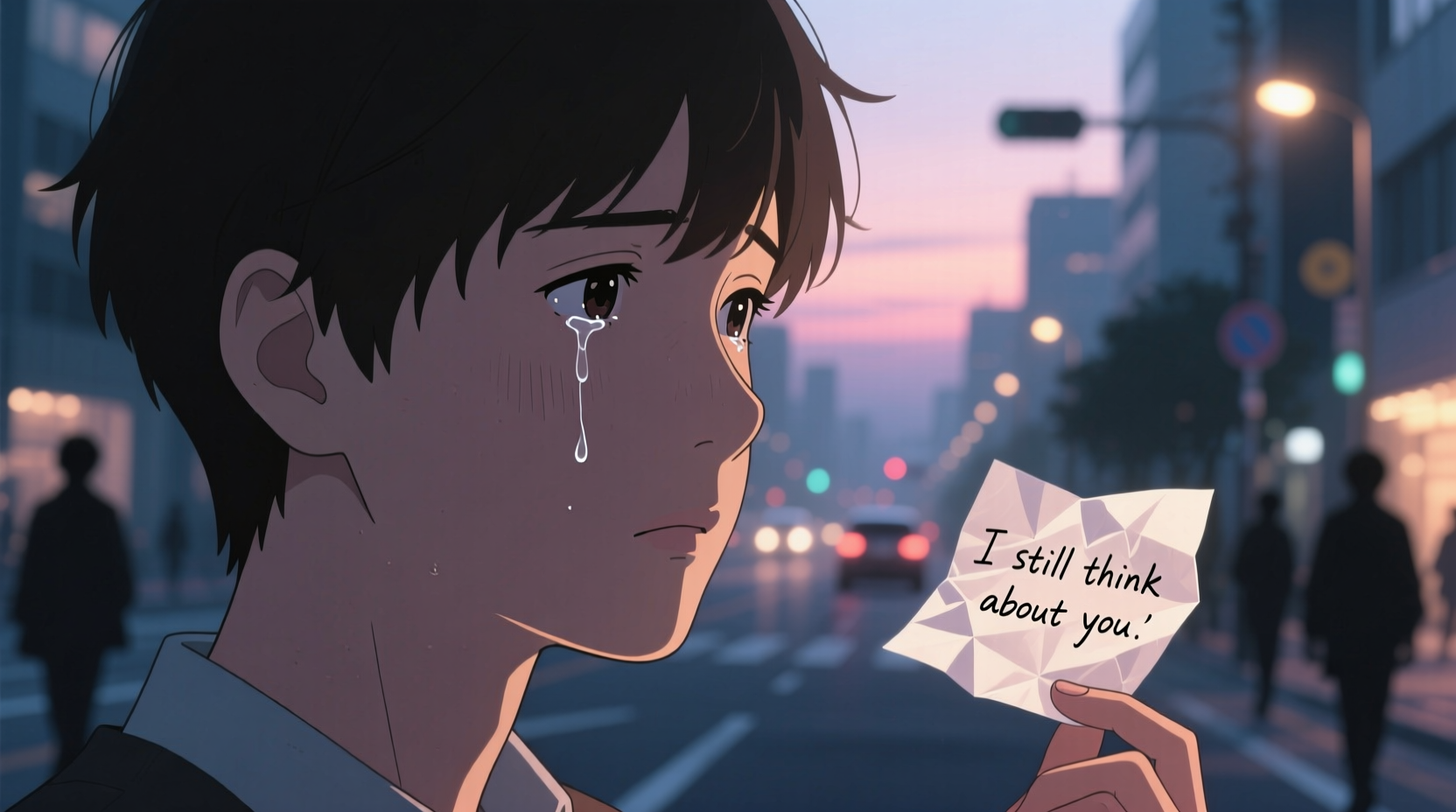
A crush isn’t just about physical attraction. It’s often tied to unmet emotional needs—validation, connection, excitement, or even nostalgia for a version of yourself you felt when near them. When someone embodies qualities you admire or represents an escape from routine, your brain begins to associate them with emotional relief. This creates a feedback loop: the more you think about them, the more your mind reinforces the fantasy, making detachment feel like loss—even if you were never in a relationship.
Neuroscience supports this. Dopamine, the neurotransmitter linked to reward and pleasure, spikes during early attraction. Even imagined interactions with a crush can trigger dopamine release, reinforcing emotional attachment. Over time, the brain treats these thoughts as meaningful experiences, which is why letting go feels so difficult—it’s not just ending a hope, but rewiring a neural habit.
“Unrequited feelings persist not because we love someone too much, but because we’ve projected parts of ourselves onto them.” — Dr. Lena Reyes, Clinical Psychologist specializing in emotional attachment
Why Logic Doesn’t Win Over Emotion
You can list every reason why the crush won’t work—a mismatch in values, lack of reciprocity, geographic distance—and still feel drawn. That’s because emotional healing doesn’t follow logical timelines. The heart doesn’t respond to arguments; it responds to patterns, memories, and unresolved emotional energy.
Common psychological factors that keep feelings alive include:
- Attachment style: Anxious attachers may ruminate more, fearing abandonment even before a relationship begins.
- Emotional substitution: A crush can become a stand-in for deeper loneliness or dissatisfaction in other areas of life.
- The “almost” effect: Near-misses (e.g., almost dating, almost confessing) create mental loops where the brain keeps revisiting “what if?” scenarios.
- Narrative investment: You’ve built a story around this person—ending it feels like abandoning a chapter of your identity.
Recognizing the Fantasy vs. Reality Divide
Most crushes thrive in the realm of potential. You’re attracted not to the real person, but to an idealized version shaped by limited interaction and imagination. This version listens intently, understands you instantly, and fills emotional gaps effortlessly. But reality rarely matches this script.
One way to ground yourself is through intentional reality-checking. Ask:
- What do I actually know about this person’s habits, flaws, or daily life?
- Have they shown consistent interest, or am I interpreting neutral behavior as encouragement?
- If we were together, what challenges would likely arise based on our lifestyles or values?
These questions don’t diminish your feelings—they redirect them toward clarity. The goal isn’t to shame yourself for caring, but to stop investing emotional energy into a mirage.
Mini Case Study: Maya’s Lingering Connection
Maya developed a crush on a colleague after a few engaging lunch conversations. He was kind, intelligent, and shared her love of poetry. Though he never initiated contact outside work, she began fantasizing about weekend trips and quiet mornings together. Months passed with no progression, yet she couldn’t shake the pull.
During therapy, she realized her crush coincided with a period of professional stagnation and social isolation. Her colleague represented not just attraction, but intellectual validation she wasn’t receiving elsewhere. Once she joined a writing group and started setting career goals, her fixation faded—not because he changed, but because her inner world expanded beyond the need for that singular emotional anchor.
Practical Steps to Move Forward
Healing from a crush isn’t about erasing feelings overnight. It’s about shifting focus, reclaiming agency, and rebuilding emotional equilibrium. Here’s a step-by-step approach:
- Pause the input: Limit exposure. Mute their social media, avoid places you know they’ll be, and reduce passive contact. This isn’t punishment—it’s creating space to reset your emotional baseline.
- Journal the pattern: For one week, write each time you think of them. Note the trigger (e.g., a song, a location), the emotion, and what you told yourself. Patterns will emerge.
- Redirect the energy: Channel the emotional intensity into creative or physical outlets—writing, running, learning something new. Use the surge of feeling as fuel.
- Reframe the narrative: Instead of “I’ll never get over them,” say, “I’m learning how to care deeply without losing myself.”
- Expand your circle: Invest time in friendships, communities, or activities where you feel seen for who you are—not who you imagine someone else wants you to be.
Checklist: Breaking the Crush Cycle
- ✅ Identify emotional needs the crush fulfills
- ✅ Reduce digital and physical proximity
- ✅ Replace rumination with structured reflection (journaling)
- ✅ Engage in at least one new social or creative activity weekly
- ✅ Practice self-validation: affirm your worth independently
Do’s and Don’ts of Healing From a Crush
| Do | Don’t |
|---|---|
| Allow yourself to grieve the loss of possibility | Demand immediate emotional closure |
| Talk to a trusted friend or therapist about your feelings | Confess your feelings solely to relieve your own emotional burden |
| Use the experience to learn about your emotional patterns | Blame yourself for having feelings |
| Create small wins in other areas of life to rebuild confidence | Isolate yourself to avoid reminders |
| Set a timeline for reducing contact if necessary | Stalk their online activity or seek indirect updates |
FAQ: Common Questions About Lingering Crush Feelings
Is it normal to still have feelings after months or even years?
Yes. The duration of feelings doesn’t reflect weakness—it reflects depth of emotional engagement. If the crush symbolized safety, inspiration, or transformation, the brain holds onto that significance longer. What matters is how you relate to those feelings now.
Should I tell my crush how I feel to “get closure”?
Not necessarily. Closure comes from within, not from another person’s response. Confessing can sometimes prolong attachment, especially if met with ambiguity. Work on internal resolution first; sharing becomes less urgent when you no longer need their reaction to feel complete.
Can a crush turn into a healthy relationship later?
Possibly, but only if both parties are emotionally available and willing to build something mutual. Waiting “just in case” often delays healing. Focus on being ready for connection in general, not tied to one specific person.
Conclusion: Reclaiming Your Emotional Narrative
Lingering feelings for a crush aren’t a sign of immaturity—they’re evidence of your capacity to care deeply. The discomfort you feel isn’t a problem to fix, but a doorway to self-understanding. By examining what the crush represents, you gain insight into your needs, fears, and desires.
Moving on doesn’t mean forgetting. It means integrating the experience into your growth. You don’t need to erase the memory; you just need to stop letting it steer your present.




 浙公网安备
33010002000092号
浙公网安备
33010002000092号 浙B2-20120091-4
Comments
No comments yet. Why don't you start the discussion?