
In personal relationships, workplaces, healthcare settings, and even digital spaces, consent is a foundational principle that upholds dignity, safety, and mutual respect. Yet, despite growing awareness, misunderstandings about what consent truly means—and why it matters—persist. Consent isn’t just a legal or moral checkbox; it’s an ongoing practice of honoring another person’s autonomy. When we recognize and respect boundaries, we create environments where trust can flourish and individuals feel seen, heard, and valued.
The Core Meaning of Consent
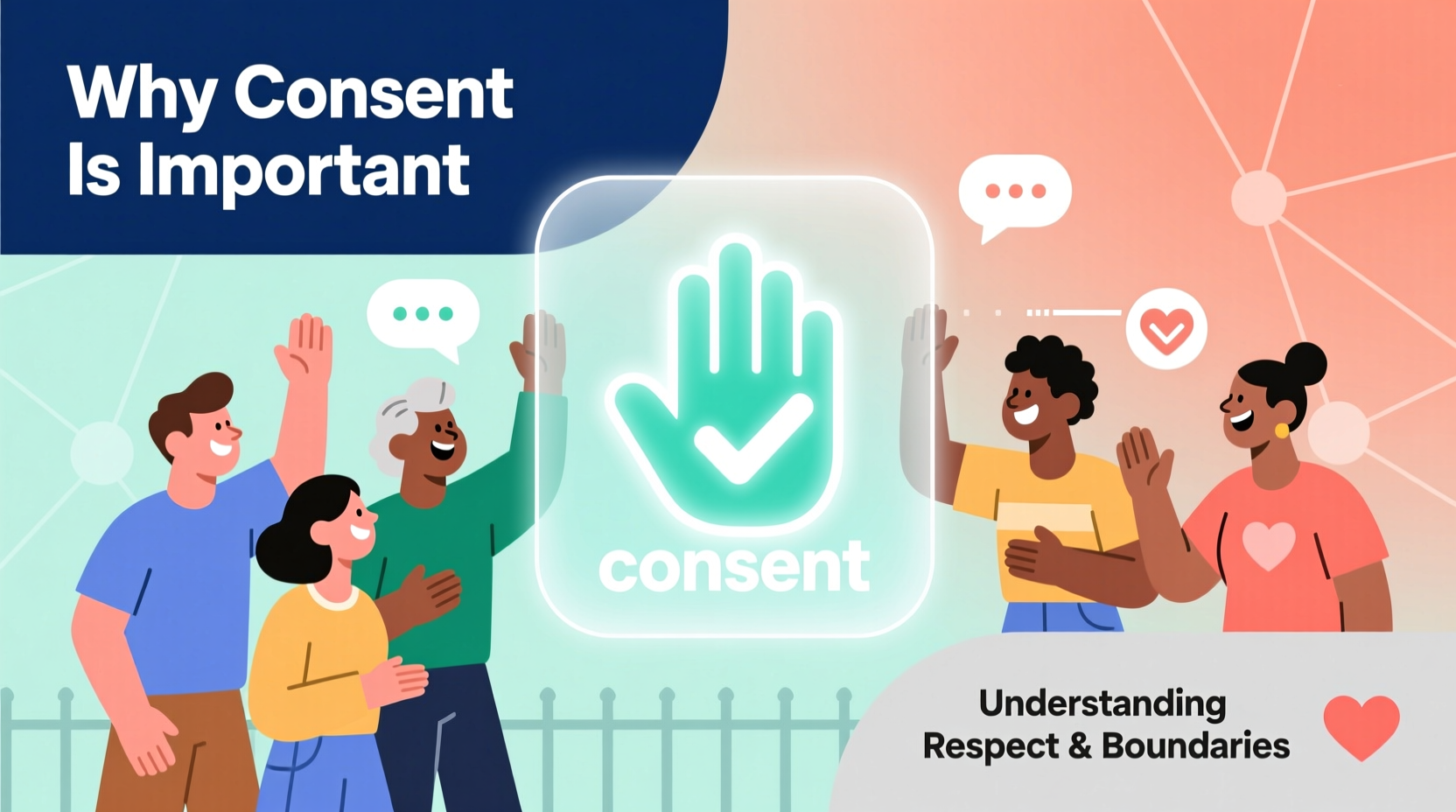
At its essence, consent is a voluntary, informed, and enthusiastic agreement to engage in a specific activity. It must be given freely, without pressure, coercion, or manipulation. Importantly, consent is not a one-time event—it’s dynamic and can be withdrawn at any moment. Whether in intimate relationships, medical procedures, photography, or workplace collaboration, the absence of consent can lead to harm, mistrust, and emotional distress.
Consent operates on the principle that every individual has the right to control their body, time, energy, and personal space. Respecting this right isn’t merely ethical—it strengthens relationships by fostering transparency and accountability.
“Consent isn’t just about saying ‘yes’—it’s about creating a culture where people feel safe enough to say ‘no’ without fear of judgment or retaliation.” — Dr. Lena Patel, Clinical Psychologist and Advocate for Healthy Relationships
Boundaries: The Framework for Respectful Interaction
Boundaries are personal limits that define how we want to be treated and what we’re comfortable with. They vary from person to person and can be physical, emotional, digital, or social. For example:
- A colleague may set a boundary by not answering work emails after 7 PM.
- A friend might express discomfort with certain jokes or topics of conversation.
- In romantic relationships, someone may specify which forms of touch they welcome and when.
When boundaries are ignored—even unintentionally—it sends a message that one person’s comfort matters less than another’s desires. Over time, this erodes trust and can contribute to resentment or trauma. Recognizing and honoring boundaries is a direct expression of respect and empathy.
Common Misconceptions About Consent
Misunderstandings often undermine the practice of consent. Below are frequent myths and the truths behind them:
| Misconception | Reality |
|---|---|
| \"If they didn’t say no, it means yes.\" | Silence or passivity does not equal consent. Enthusiastic, verbal agreement is the standard. |
| \"Once consent is given, it applies forever.\" | Consent is specific to context and time. It can be revoked at any point. |
| \"Clothing or flirtation implies consent.\" | No behavior or appearance grants others permission to cross boundaries. |
| \"Consent ruins the mood.\" | Checking in builds intimacy and trust. Healthy desire includes mutual care. |
How to Practice Consent in Daily Life
Consent isn’t limited to romantic or sexual contexts. It’s relevant in parenting, friendships, professional settings, and online interactions. Practicing consent daily normalizes respect and reduces the risk of unintentional harm.
- Ask before touching: Even a hug or pat on the back should be offered only after checking in, especially with acquaintances or children.
- Respect digital boundaries: Don’t share photos, messages, or private information without explicit permission.
- Listen actively: Pay attention to both verbal and nonverbal cues. Discomfort may show as stiffening, silence, or changing the subject.
- Accept \"no\" gracefully: Respond with gratitude, not guilt or pressure. “Thanks for being honest” reinforces safety.
- Reflect on your own boundaries: Knowing your limits helps you communicate them clearly to others.
Mini Case Study: Workplace Collaboration
Maya, a project manager, noticed that her team member Jamal often seemed hesitant during brainstorming sessions. After a one-on-one meeting, she learned he felt pressured to agree with ideas quickly and feared speaking up would make him seem difficult. Maya introduced a new norm: starting meetings with a quick check-in asking, “Are you open to sharing ideas today?” This small shift gave Jamal the space to respond honestly. On days he wasn’t feeling creative, he could opt out without guilt. Team morale improved, and participation became more authentic.
This example shows how consent fosters psychological safety. By inviting consent rather than assuming availability, leaders empower autonomy and inclusion.
Building a Culture of Consent: A Step-by-Step Guide
Cultivating consent isn’t just individual—it’s cultural. Here’s how to help build a respectful environment in your community, workplace, or relationship circle:
- Educate yourself and others: Read trusted sources, attend workshops, and share insights respectfully.
- Model consent in everyday actions: Ask before borrowing items, initiating conversations, or offering advice.
- Create safe spaces for feedback: Encourage open dialogue where people can express discomfort without fear.
- Intervene when boundaries are crossed: Support those whose consent has been ignored and call out dismissive behavior gently but firmly.
- Review policies and practices: In organizations, ensure consent is embedded in HR guidelines, training, and reporting systems.
Checklist: Are You Practicing Consent Effectively?
- ✅ Do I ask for permission before physical contact—even casual touches?
- ✅ Do I accept “no” or hesitation without questioning or pushing back?
- ✅ Am I attentive to nonverbal signals that someone may be uncomfortable?
- ✅ Do I communicate my own boundaries clearly and consistently?
- ✅ Do I check in regularly, especially during ongoing interactions?
- ✅ Do I respect digital privacy and avoid sharing content without approval?
Frequently Asked Questions
What if someone gives consent but later regrets it?
Regret doesn’t automatically mean consent was invalid. Consent was still present at the time if it was freely given. However, reflecting on the experience can help improve future communication. If coercion or impaired judgment was involved, that changes the context entirely.
Can consent be given nonverbally?
Nonverbal cues like nodding or leaning in can signal agreement, but they’re not foolproof. Misinterpretation is common. Verbal confirmation remains the most reliable method, especially in emotionally charged or ambiguous situations.
Does consent need to be discussed every single time?
In ongoing relationships, some assumptions develop over time, but regular check-ins are still valuable. People change, and circumstances shift. A quick “Still okay with this?” maintains connection and respect.
Conclusion: Making Respect a Daily Practice
Understanding why consent is important transforms how we relate to others. It moves us from assumption to awareness, from entitlement to empathy. Every time we pause to ask, listen, and honor a boundary, we contribute to a world where dignity is non-negotiable.
Consent isn’t complicated—it’s compassionate. It doesn’t diminish intimacy or efficiency; it deepens both by building trust. Whether in a doctor’s office, a boardroom, or a bedroom, the principles remain the same: autonomy matters, communication is key, and respect is mandatory.




 浙公网安备
33010002000092号
浙公网安备
33010002000092号 浙B2-20120091-4
Comments
No comments yet. Why don't you start the discussion?