
In July 2024, rising pop sensation Chappell Roan made headlines—not for a new single or award nomination, but for abruptly canceling several tour dates. The decision sparked confusion, concern, and eventually, backlash from fans who had traveled long distances or spent significant money on tickets and travel. What followed was a public apology, social media scrutiny, and a broader conversation about mental health, artist sustainability, and the pressures of modern touring culture.
Rising to fame with hits like “Good Hurt” and “Red Wine Supernova,” Chappell Roan had built a loyal following through raw lyricism and electrifying live performances. Her canceled shows—part of her first major headlining tour—were expected to be career milestones. Instead, they became a flashpoint in the ongoing debate over how much is too much for young artists in today’s hyper-connected, high-demand music economy.
The Show Cancellations: What Happened?
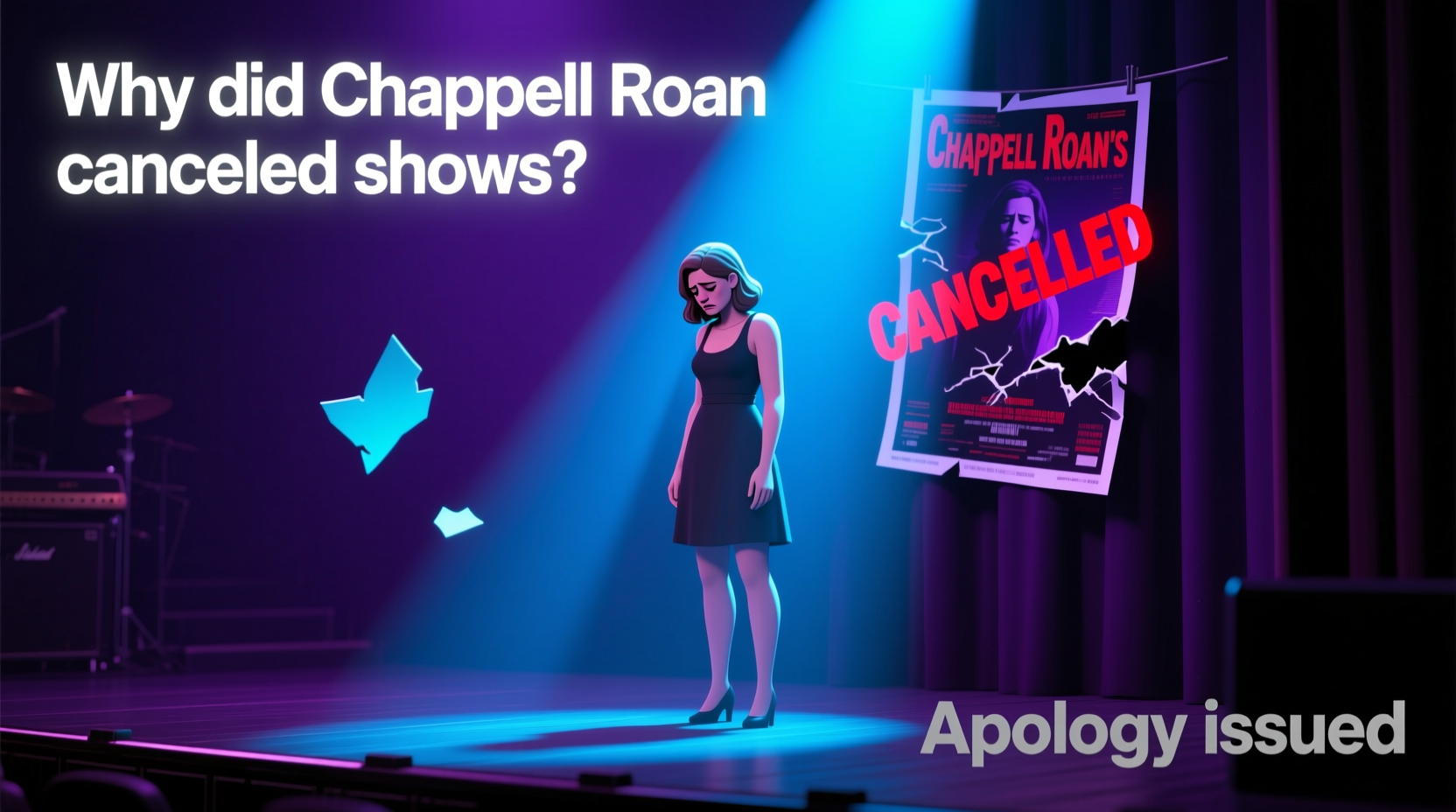
On July 12, 2024, Chappell Roan’s team announced the cancellation of three upcoming tour stops: Denver, Salt Lake City, and Seattle. The initial statement, posted across her official social media platforms, cited “unforeseen personal circumstances” as the reason. No further details were provided.
Fans reacted swiftly. Many expressed empathy, sending supportive messages. However, others voiced frustration—especially those who had booked non-refundable flights, hotels, and time off work. Screenshots of ticket prices (some exceeding $200 after fees) circulated online, along with stories from disabled fans who said the cancellations disrupted carefully planned accessible travel arrangements.
The lack of transparency intensified speculation. Rumors spread across Reddit and X (formerly Twitter), ranging from illness to internal band conflicts. For nearly five days, there was no additional comment from Roan or her management—fueling both concern and criticism.
Chappell Roan’s Public Apology
On July 17, Chappell Roan released a heartfelt 12-minute video statement on Instagram and YouTube titled “I Need to Say This.” In it, she addressed the cancellations directly, explaining that she had been experiencing severe anxiety and panic attacks leading up to the tour leg.
“I wasn’t just tired—I was breaking down. I didn’t want to let anyone down, so I kept pushing. But I hit a wall. I couldn’t get out of bed. I couldn’t breathe before soundcheck. I felt like a fraud pretending I was okay.”
She admitted she had delayed speaking up due to fear of being seen as “difficult” or “not tough enough” in an industry that often glorifies grind culture. She apologized sincerely to fans, especially those who had made financial and emotional investments in attending the shows.
“I know refunds don’t fix everything,” she said. “They don’t give you back your vacation days or your peace of mind. And I’m truly sorry.”
Public Reaction and Fan Sentiment
The response to Roan’s apology was mixed but leaned toward support. Mental health advocates praised her honesty, calling it a “rare moment of vulnerability in pop music.” Within 48 hours, the hashtag #WeSupportChappell trended globally.
However, some fans remained critical. A segment of her audience argued that professionalism requires fulfilling commitments regardless of personal struggles. One user wrote: “I get mental health matters, but when you sell tickets, you owe it to people to show up.”
A small but vocal group accused her of using mental health as a “convenient excuse,” reflecting a persistent stigma around psychological well-being in performance industries.
Expert Insight on Artist Burnout
Dr. Lena Peterson, a clinical psychologist who works with touring musicians, weighed in on the situation:
“Artists like Chappell Roan are under immense pressure—social, financial, creative. They’re expected to be ‘on’ 24/7. Canceling shows isn’t failure; it’s sometimes the most responsible choice. The real failure would be pushing through until a breakdown occurs on stage.”
Peterson noted that younger artists, particularly women in pop, face unique pressures to maintain a curated image while managing grueling schedules—a combination that increases burnout risk by over 60% compared to non-performing peers.
A Timeline of Key Events
Understanding the sequence of events helps clarify how the controversy unfolded and why the apology was pivotal.
- July 10, 2024: Chappell performs in Minneapolis. Fans note her voice sounds strained and she cuts two songs short.
- July 12: Official announcement cancels Denver, Salt Lake City, and Seattle dates.
- July 13–16: Fan outrage grows on social media; refund requests flood ticketing platforms.
- July 17: Roan releases emotional video apology detailing her mental health crisis.
- July 18: Supportive statements from fellow artists (Olivia Rodrigo, Wet Leg) emerge.
- July 19: Management announces revised tour schedule with built-in rest days and wellness checks.
Do’s and Don’ts: Lessons for Artists and Teams
The Chappell Roan incident offers valuable lessons for emerging artists and their teams about balancing authenticity, responsibility, and sustainability.
| Do’s | Don’ts |
|---|---|
| Communicate early—even without full details. A simple “we’re assessing a situation” reduces speculation. | Go silent for days after a major cancellation. |
| Offer clear refund or exchange options immediately. | Delay logistics while focusing only on PR. |
| Normalize conversations about mental health in promotional materials. | Treat wellness as a taboo topic. |
| Build buffer days into tour schedules. | Book seven-show weeks without breaks. |
| Partner with mental health organizations for on-tour support. | Assume artists can self-manage under pressure. |
Mini Case Study: How Halsey Handled a Similar Crisis
In 2018, singer Halsey canceled multiple tour dates due to complications from lupus and chronic pain. Initially criticized for lack of clarity, she later shared medical documentation and launched the “Healthy Tour Initiative,” which included on-site therapists and flexible ticket policies.
The move transformed backlash into advocacy. Today, her approach is studied in music business programs as a model of transparent crisis management. Like Roan, Halsey turned a difficult moment into a platform for change—one that prioritized artist humanity over performance at all costs.
What Comes Next for Chappell Roan?
As of August 2024, Chappell Roan has resumed her tour with modifications. Her updated itinerary includes mandatory three-day breaks every two weeks, a dedicated wellness coordinator, and pre-show mental check-ins. Tickets for rescheduled dates went on sale with a new policy: 100% refunds plus compensation for original travel expenses up to $300 for affected fans.
Critically, the incident has influenced her songwriting. In a recent interview, she hinted that her next album will explore themes of collapse, recovery, and self-worth. “This wasn’t just a setback,” she said. “It was a reckoning.”
Frequently Asked Questions
Did Chappell Roan cancel any more shows after her apology?
No. As of September 2024, all remaining tour dates have proceeded as scheduled. Her team has implemented stricter health monitoring to prevent future disruptions.
Are fans getting full refunds?
Yes. All ticket holders for canceled shows received full refunds through the original point of purchase. Additionally, those who submitted proof of travel expenses were eligible for partial reimbursement.
Was there any evidence she wasn’t telling the truth about her mental health?
No credible evidence has emerged to challenge her account. Multiple industry insiders, including her tour manager, have confirmed her distress was genuine and widely observed behind the scenes.
Final Thoughts: Prioritizing People Over Performance
The Chappell Roan controversy wasn’t just about canceled concerts—it was a symptom of a larger issue in the entertainment world. Young artists are thrust into global fame with little infrastructure for emotional or physical sustainability. The expectation to perform through pain, exhaustion, or anxiety remains dangerously normalized.
Her apology wasn’t weakness. It was courage. By speaking openly, she challenged the myth of the infallible performer and opened space for more honest conversations about what it really takes to sustain a career in music.
For fans, the takeaway is empathy. For artists, it’s permission to pause. And for the industry, it’s a call to build systems that protect creators—not just profit from them.




 浙公网安备
33010002000092号
浙公网安备
33010002000092号 浙B2-20120091-4
Comments
No comments yet. Why don't you start the discussion?