
Batteries power our modern lives—from smartphones and laptops to electric vehicles and home energy systems. But behind their quiet efficiency lies a potential hazard: under certain conditions, batteries can overheat, rupture, or even explode. While such events are relatively rare, their consequences can be severe, including burns, property damage, and in extreme cases, fire fatalities. Understanding the science behind battery explosions, recognizing risk factors, and knowing how to respond can make all the difference in preventing harm.
How Batteries Work—and When They Fail
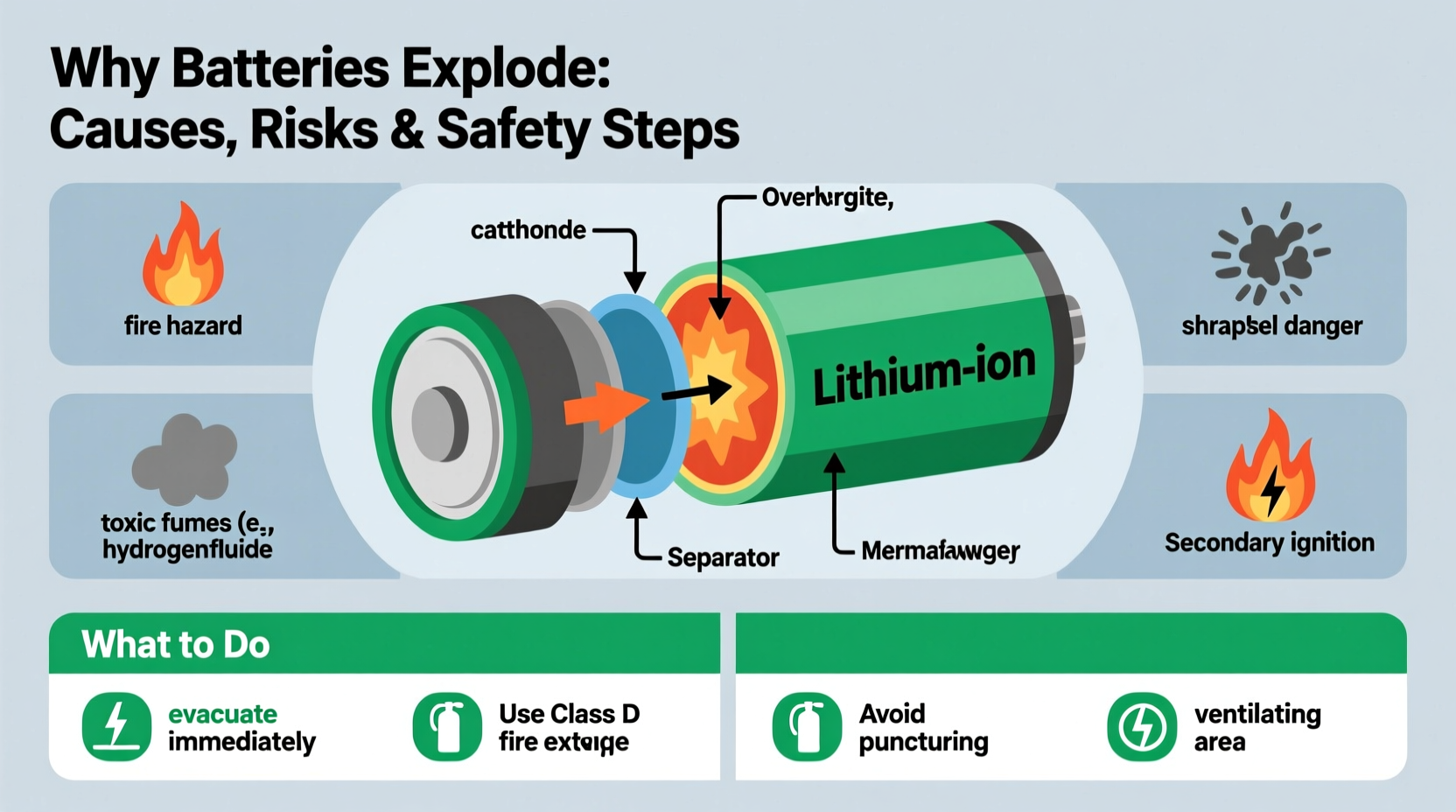
Most modern electronic devices use lithium-ion batteries due to their high energy density, long lifespan, and rechargeability. These batteries generate electricity through the movement of lithium ions between a positive cathode and a negative anode, separated by a thin electrolyte layer. Under normal conditions, this process is stable and controlled.
However, when internal or external stressors disrupt this balance, thermal runaway—a self-sustaining chain reaction—can occur. This leads to rapid temperature increases, gas buildup, and potentially violent failure. Once thermal runaway begins, it cannot be stopped without intervention, making prevention critical.
Common Causes of Battery Explosions
Battery failures don’t happen randomly. Most explosions stem from identifiable causes, often related to design flaws, misuse, or environmental exposure. Key triggers include:
- Manufacturing defects: Microscopic metal particles or misaligned separators inside a battery can create internal short circuits.
- Physical damage: Dropping or bending a device can compromise the battery’s internal structure, leading to overheating.
- Overcharging: Charging beyond a battery’s voltage limit generates excess heat and pressure.
- Poor-quality chargers: Non-certified or counterfeit chargers may deliver unstable current, increasing explosion risk.
- Exposure to heat: Leaving devices in hot cars or direct sunlight can destabilize chemical components.
- Water or moisture exposure: Corrosion from liquid contact can lead to short circuits.
“Even a small flaw in the separator layer can lead to catastrophic failure under load.” — Dr. Lena Torres, Electrochemical Safety Researcher, National Battery Institute
Risks and Real-World Consequences
The dangers of battery explosions extend beyond the immediate device. In recent years, there have been documented cases of injuries and fires linked to faulty batteries. Consider one notable example:
Mini Case Study: The Overheating E-Cigarette
In 2021, a man in Florida suffered second-degree burns when his e-cigarette exploded in his pocket. The lithium-ion battery had been stored alongside loose coins and keys, causing the terminals to short-circuit. The resulting thermal runaway ignited clothing and required emergency medical treatment. Investigations revealed that the device used a non-branded battery without built-in safety mechanisms.
This case underscores two critical points: everyday storage habits matter, and not all batteries meet the same safety standards.
Other risks include:
- Fire hazards in homes and vehicles
- Toxic fumes released during combustion (e.g., hydrogen fluoride)
- Secondary explosions if nearby batteries are affected
- Long-term health effects from inhaling battery smoke
Prevention Checklist: How to Reduce Explosion Risk
While no battery is 100% immune to failure, most risks can be minimized through proper handling. Follow this actionable checklist:
- Use manufacturer-approved chargers and cables.
- Avoid charging devices unattended or overnight.
- Keep batteries away from water and humid environments.
- Never store loose batteries in pockets or bags with metal objects.
- Replace swollen, hot, or damaged batteries immediately.
- Store spare batteries in protective cases or original packaging.
- Keep devices out of direct sunlight and high-temperature areas.
- Do not attempt to disassemble or modify batteries.
What to Do If a Battery Fails
If you notice signs of battery distress—such as swelling, hissing sounds, smoke, or a burning smell—act quickly but calmly. Here’s a step-by-step guide:
- Disconnect the power source if it’s safe to do so. Unplug chargers or remove the battery if accessible.
- Move the device outdoors or away from flammable materials like curtains, paper, or furniture.
- Do not use water on lithium-ion fires. Water can react violently with lithium compounds.
- Use a Class D fire extinguisher if available. For small fires, smothering with sand or baking soda may help.
- Evacuate and call emergency services if smoke or flames spread.
- Do not touch damaged batteries—they may still be chemically active and pose burn or shock risks.
After an incident, report the event to the manufacturer and relevant safety agencies like the U.S. Consumer Product Safety Commission (CPSC). This helps track patterns and improve future product safety.
Do’s and Don’ts: A Quick Reference Table
| Do’s | Don’ts |
|---|---|
| Charge devices on hard, non-flammable surfaces | Leave charging devices on beds or couches |
| Inspect cables for fraying or damage | Use bent or exposed charging wires |
| Buy batteries from reputable brands | Purchase cheap, uncertified replacements |
| Recycle old batteries at designated centers | Throw batteries in regular trash |
| Follow manufacturer storage guidelines | Store batteries in extreme temperatures |
Frequently Asked Questions
Can a swollen battery explode?
Yes. Swelling indicates gas buildup inside the battery, often caused by overcharging or internal damage. This is a serious warning sign. Discontinue use immediately and replace the battery safely.
Are all lithium-ion batteries dangerous?
No. Most are engineered with multiple safety features, including pressure vents, shutdown separators, and protection circuits. The risk arises primarily from poor manufacturing, physical damage, or improper use.
How should I dispose of a damaged battery?
Place it in a non-flammable container like a metal box filled with sand. Contact a local hazardous waste facility or electronics retailer that accepts damaged batteries for safe disposal. Never mail or transport compromised batteries without proper packaging.
Final Thoughts: Safety Starts with Awareness
Battery technology continues to advance, but human behavior remains a key factor in preventing accidents. Awareness, responsible usage, and adherence to safety protocols dramatically reduce the likelihood of explosions. Whether you're charging a smartphone, riding an e-bike, or installing a home solar system, treat every battery with respect for its energy potential.
Staying informed isn’t just about protecting your devices—it’s about safeguarding your home, your health, and those around you. Small habits, like using certified chargers and avoiding extreme temperatures, compound into significant safety benefits over time.




 浙公网安备
33010002000092号
浙公网安备
33010002000092号 浙B2-20120091-4
Comments
No comments yet. Why don't you start the discussion?