
Every holiday season, millions of households pull out their Christmas lights—only to be met with a frustrating tangle of wires, broken bulbs, and stubborn kinks. What should be a joyful tradition quickly turns into a time-consuming chore. The root of the problem often lies not in the lights themselves, but in how they were stored the previous year. Kinks, bends, and permanent creases in light strands are more than just cosmetic; they compromise flexibility, increase breakage risk, and shorten the lifespan of your decorations. Understanding the science behind wire memory and stress fatigue is key to preserving your lights—and your peace of mind.
The Science Behind Wire Kinking
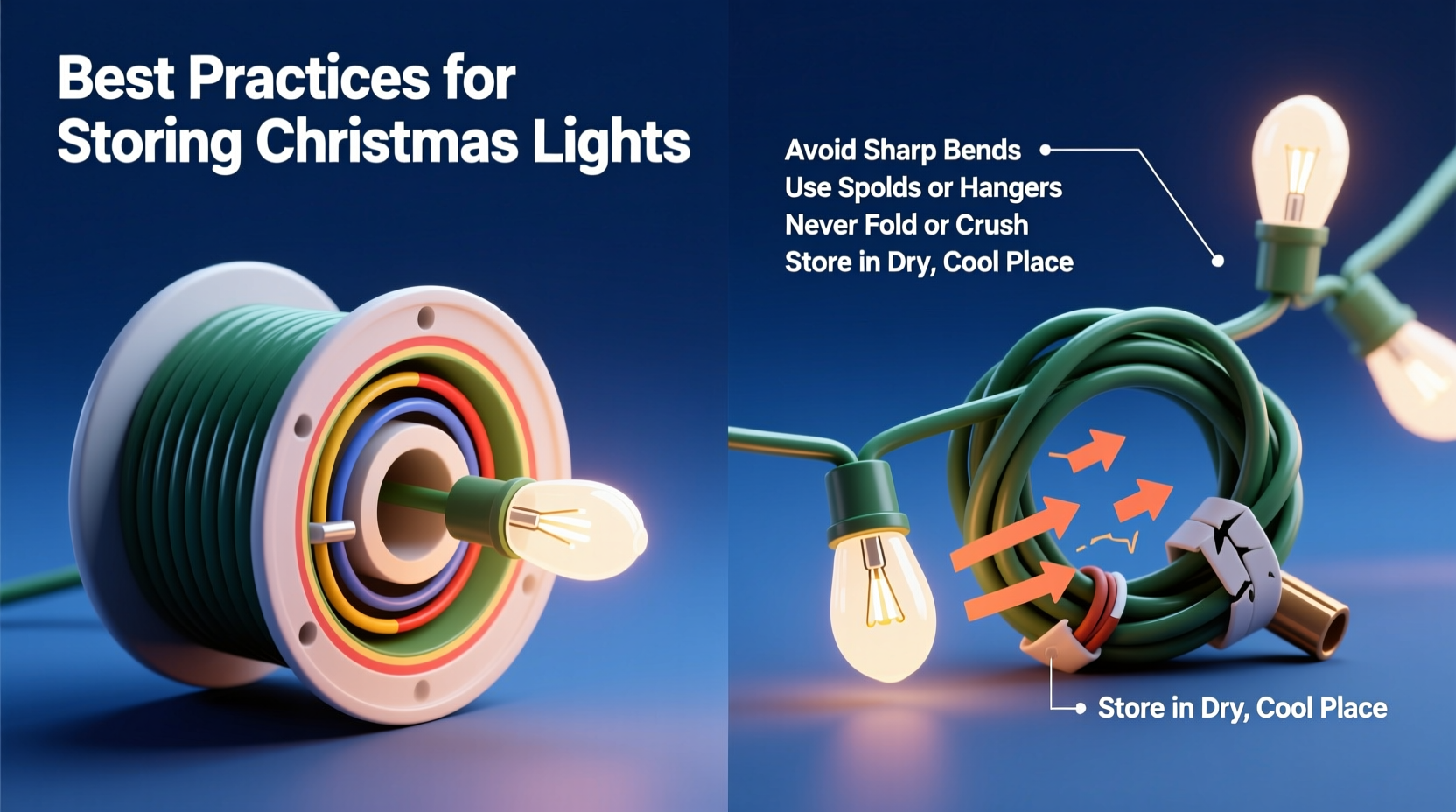
Kinks in Christmas lights occur when the copper or copper-clad aluminum wires inside the insulation develop permanent deformations due to improper coiling, crushing, or exposure to extreme temperatures. Unlike elastic materials, metal wires have a \"memory\" that forms based on how they're bent over time. When wrapped too tightly, twisted haphazardly, or crushed under heavy objects, the internal structure of the wire undergoes micro-fractures. These weaken the conductor and insulation, leading to visible kinks and eventual failure.
Temperature fluctuations also play a role. Storing lights in unheated garages or damp basements exposes them to condensation and thermal cycling. Repeated expansion and contraction make plastic insulation brittle and more prone to cracking at bend points. Once a kink forms, it becomes a stress concentrator—meaning future bending during setup or storage will likely worsen the damage at that exact spot.
“Wires don’t just tangle—they remember bad habits. How you store them one year directly impacts their performance the next.” — Dr. Alan Reeves, Materials Engineer, University of Michigan
Why Improper Storage Leads to Tangles and Damage
Most people toss their lights into boxes, wrap them around cardboard, or twist them loosely by hand. While these methods seem harmless, they create high-stress loops and uneven tension across the strand. Overlapping coils press against each other, creating friction that wears down insulation. Twisting introduces torsional stress, which can separate internal conductors or loosen bulb sockets.
Another overlooked issue is mixing different types of lights. LED and incandescent strands have different wire gauges and flexibility. When bundled together, stiffer wires can cut into softer ones, accelerating wear. Additionally, leaving batteries in timer units or storing lights near sharp tools or hardware increases the risk of punctures.
Best Practices for Storing Christmas Lights
Preserving your lights starts the moment you take them down. A few deliberate steps can save hours of untangling and extend the life of your display by five years or more.
Step-by-Step Guide to Proper Storage
- Inspect Before Storing: Check each strand for broken bulbs, frayed wires, or loose connections. Replace faulty sections or retire damaged strings.
- Clean Gently: Wipe down wires with a dry microfiber cloth. For outdoor lights exposed to dirt or salt, use a slightly damp cloth and let them air-dry completely before packing.
- Unplug and Separate: Keep indoor and outdoor lights apart. Store LEDs separately from incandescents due to differences in heat resistance and wire composition.
- Use the Spool Method: Wrap lights around a rigid spool, such as a cable management reel, PVC pipe cut in half, or a purpose-built light saver reel. This maintains even tension and prevents crushing.
- Secure the Ends: Use Velcro straps (not twist ties or rubber bands) to hold the coil in place. Rubber degrades over time and can fuse to plastic insulation.
- Label Each Strand: Note length, color, and location used (e.g., “Front Porch – 50ft Warm White”) for faster setup next year.
- Pack in Rigid Containers: Place each coiled strand in a clear plastic bin with dividers. Avoid cardboard boxes, which absorb moisture and offer no crush protection.
- Store in a Climate-Controlled Area: Choose an interior closet, shelf, or basement away from temperature swings, rodents, and humidity.
Alternative Wrapping Techniques
If reels aren’t available, the “over-under” method is a proven alternative used by stage electricians and film crews. This technique alternates loop directions to cancel out twist buildup:
- Hold the plug end in one hand.
- Create a loop over your fingers, then the next loop under.
- Continue alternating until the entire strand is coiled.
- Secure with a soft fabric tie or Velcro strap.
This method prevents torsional stress and keeps wires supple over time.
Do’s and Don’ts of Christmas Light Storage
| Do’s | Don’ts |
|---|---|
| Use wide-radius spools (at least 4–6 inches in diameter) | Wrap tightly around small objects like toilet paper rolls |
| Label containers clearly by room or use | Mix different voltage or type of lights in one bundle |
| Store in cool, dry, rodent-free areas | Leave lights in attics or uninsulated sheds long-term |
| Test lights before storing to catch issues early | Store with batteries still installed in timers |
| Use acid-free tissue paper for vintage or delicate strands | Use metal clips or staples that can pierce insulation |
Real-World Example: The Johnson Family’s Holiday Upgrade
The Johnsons in Columbus, Ohio, spent nearly eight hours untangling lights each December. After two strings failed completely in 2022, they decided to overhaul their storage system. They invested in four plastic storage bins with built-in dividers and purchased six cable reels from a hardware store. Each strand was tested, labeled, and wound using the over-under method. They also began replacing older incandescent sets with flexible LED versions designed for easier handling.
In 2023, their teardown took 45 minutes, and setup in 2024 required only 70 minutes total. More importantly, none of their lights showed signs of kinking or damage. “It paid for itself in saved time and less stress,” said Sarah Johnson. “Now decorating feels festive again, not like a repair job.”
Checklist: Year-End Light Storage Routine
- ✅ Test every strand for continuity and brightness
- ✅ Remove all bulbs showing dark spots or cracks
- ✅ Clean wires with a dry or slightly damp cloth
- ✅ Wind using a reel or the over-under method
- ✅ Secure with Velcro or fabric ties—never metal or rubber
- ✅ Label each coil with location and specifications
- ✅ Pack in rigid, lidded containers with dividers
- ✅ Store indoors, away from moisture and pests
- ✅ Keep away from sharp objects or heavy items
- ✅ Plan to inspect again mid-year if storing long-term
Frequently Asked Questions
Can kinked Christmas lights be fixed?
Slight bends can sometimes be gently straightened by hand, but deep kinks usually indicate internal wire damage. Attempting to flatten them may break the conductor inside. It’s safer to retire severely kinked strands to avoid electrical hazards or intermittent lighting.
Are LED lights less prone to kinking than incandescent?
Yes. LED strands typically use thinner, more flexible wiring and generate less heat, reducing insulation brittleness. Many are also designed with shatterproof bulbs and weather-resistant coatings, making them more durable overall. However, they still require proper coiling to prevent long-term damage.
How long should Christmas lights last with proper storage?
Well-maintained LED lights can last 10–15 years or more. Incandescent sets may last 3–5 years with excellent care. The biggest factor isn’t usage—it’s how they’re handled during storage. One season of poor storage can cut a set’s life in half.
Expert Insight: Long-Term Care Matters
“People replace Christmas lights not because they burn out, but because they’re mistreated in storage. A five-minute investment in proper winding saves hours later and doubles the usable life.” — Rebecca Lang, Home Organization Specialist and Author of *The Seasonal Home*
Conclusion: Make Next Year Easier Today
The frustration of tangled, kinked Christmas lights doesn’t have to be an annual ritual. With a basic understanding of material science and a few disciplined habits, you can preserve your holiday displays for years. The difference between a stressful setup and a seamless decoration process comes down to what you do now—not in December. Take the time this season to wind carefully, store wisely, and label thoughtfully. Your future self will walk into next holiday season with lights that work, coils that unwind smoothly, and more time to enjoy what really matters.




 浙公网安备
33010002000092号
浙公网安备
33010002000092号 浙B2-20120091-4
Comments
No comments yet. Why don't you start the discussion?