
Hiccups are a common yet often misunderstood bodily reflex. While usually harmless, they can be disruptive—especially when they strike mid-meal. If you’ve ever found yourself hiccuping after quickly eating a sandwich or downing a slice of toast, you’re not alone. The connection between rapid bread consumption and hiccups is more than anecdotal; it’s rooted in physiology. Understanding the mechanics behind this reaction empowers you to prevent and treat it effectively. This article explores the science of hiccups triggered by fast bread eating, identifies contributing factors, and delivers practical, immediate solutions backed by medical insight.
The Science Behind Hiccups: A Reflex Explained
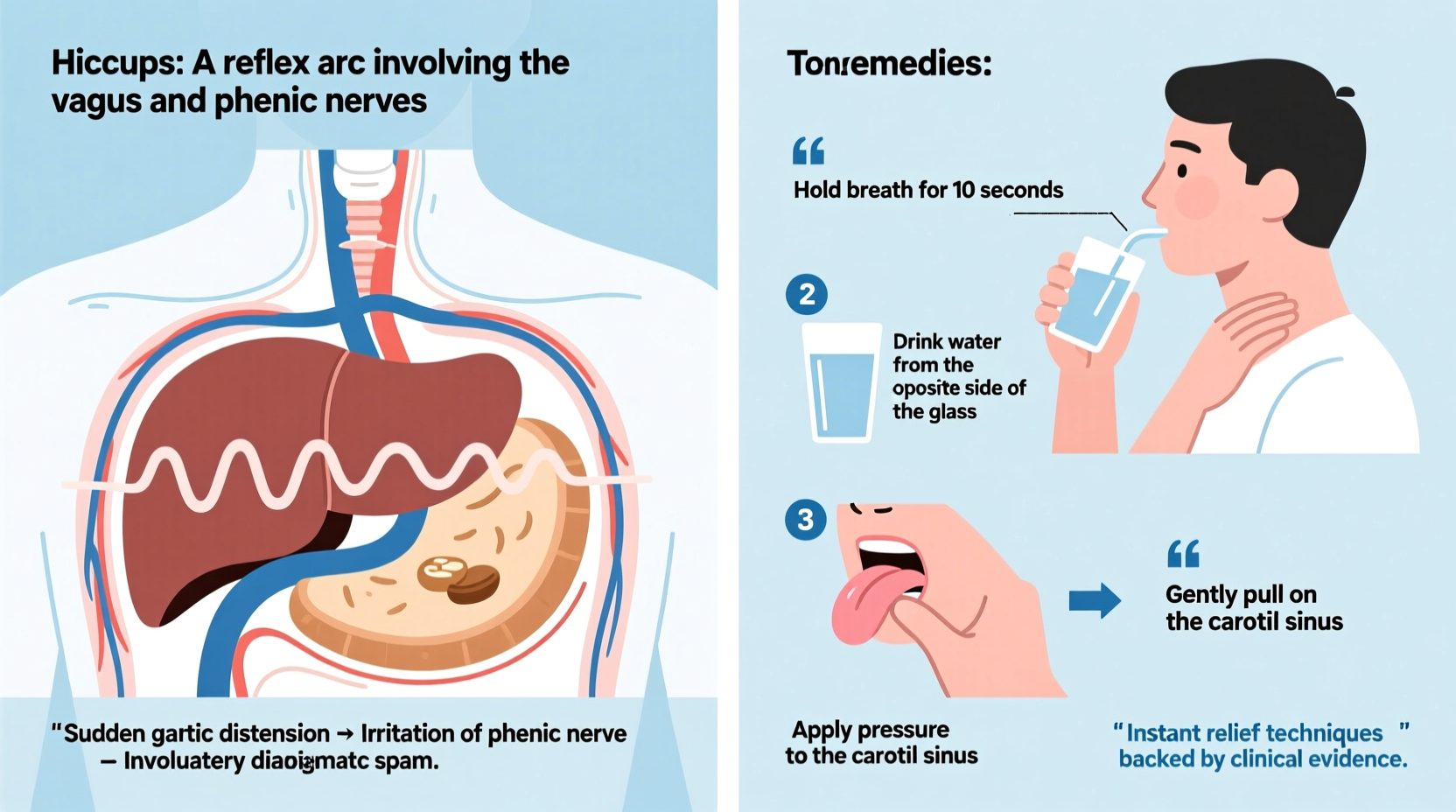
Hiccups, medically known as *singultus*, occur due to involuntary contractions of the diaphragm—the large muscle beneath the lungs responsible for breathing. Each spasm is followed by a sudden closure of the vocal cords, producing the characteristic “hic” sound. This reflex is typically triggered when the vagus or phrenic nerves, which control the diaphragm, become irritated.
Eating too quickly—especially dry or crumbly foods like bread—can stimulate these nerves through mechanical and chemical pathways. When food is not adequately chewed or moistened, it can cause distension in the stomach or irritate the esophagus, sending signals to the brainstem that initiate the hiccup reflex arc.
“Hiccups are essentially a neurological misfire. The brain receives conflicting signals from the digestive tract, prompting an automatic but disruptive response.” — Dr. Lena Torres, Gastroenterology Specialist, Johns Hopkins Medicine
Why Bread Eaten Quickly Triggers Hiccups
Bread may seem like a benign food, but its physical properties make it uniquely prone to causing hiccups when consumed rapidly. Several factors contribute:
- Dry texture: Most breads lack moisture. Eating them fast without sufficient saliva increases friction in the esophagus, irritating nerve endings.
- Air swallowing (aerophagia): Rapid chewing and gulping lead to excess air intake, which inflates the stomach and presses against the diaphragm.
- Gluten and fermentation: Some individuals report sensitivity to gluten or gases produced during bread fermentation, which can distend the stomach and trigger spasms.
- Carbohydrate density: Bread expands in the stomach when mixed with gastric fluids. Eating a large amount quickly leads to sudden volume increase, stimulating stretch receptors linked to the hiccup reflex.
Common Contributing Factors Beyond Speed
While eating speed is a primary culprit, other elements can amplify the risk of hiccups when consuming bread:
| Factor | How It Contributes | Prevention Strategy |
|---|---|---|
| Carbonated beverages | Increases stomach gas, enhancing pressure on the diaphragm | Avoid soda or sparkling water with bread-heavy meals |
| Hot or spicy condiments | Irritates the esophagus and vagus nerve | Use mild spreads like butter or hummus instead |
| Lying down after eating | Reduces gravitational assistance, increasing reflux risk | Wait at least 30 minutes before reclining |
| Stress or excitement | Alters breathing patterns and increases air swallowing | Practice mindful eating in calm environments |
Instant Cures: How to Stop Hiccups Fast
When hiccups strike after a rushed meal, several techniques can interrupt the reflex loop by resetting the vagus nerve or altering breathing patterns. These methods are simple, require no tools, and are supported by clinical observation.
Step-by-Step Guide to Immediate Relief
- Sip ice-cold water slowly: Cold temperature numbs the esophagus and interrupts nerve signaling. Take small sips over 30–60 seconds.
- Hold your breath for 10–20 seconds: This increases carbon dioxide levels in the blood, relaxing the diaphragm.
- Breathe into a paper bag: Rebreathing exhaled CO₂ has a similar effect. Do not use plastic bags. Limit to 30 seconds.
- Pull your knees to your chest: This compresses the abdomen, applying gentle pressure to the diaphragm.
- Gargle with cold water: Stimulates the back of the throat, affecting the vagus nerve directly.
- Swallow a teaspoon of sugar: The granular texture stimulates the vagus nerve as it passes down the esophagus.
“Simple vagal maneuvers—like breath holding or swallowing sugar—are often effective because they disrupt the neural feedback cycle causing the hiccups.” — Dr. Alan Mehta, Neurogastroenterology Unit, Cleveland Clinic
Mini Case Study: Office Worker’s Afternoon Sandwich Habit
James, a 34-year-old project manager, routinely ate a turkey sandwich at his desk during a 15-minute lunch break. He consistently developed hiccups within minutes. Over several weeks, he began tracking variables: speed of eating, drink pairing, and posture. He noticed hiccups occurred only when he ate in under 8 minutes, drank iced tea simultaneously, and remained hunched over his keyboard.
After adjusting his routine—chewing thoroughly, drinking room-temperature water, and standing up post-meal—the hiccups ceased entirely. His case illustrates how multiple modifiable behaviors converge to trigger a physiological response, and how targeted changes yield quick results.
Prevention Checklist: Avoid Hiccups When Eating Bread
Prevention Checklist:
- ✅ Eat bread slowly—aim for at least 20 minutes per meal
- ✅ Drink water before and during the meal
- ✅ Avoid talking while chewing to reduce air swallowing
- ✅ Choose softer, fresher bread over stale or crusty varieties
- ✅ Pair bread with moist ingredients (e.g., avocado, tomato, spread)
- ✅ Sit upright and avoid rushing between tasks
When to Worry: Persistent Hiccups and Underlying Conditions
Most hiccups last only a few minutes and resolve spontaneously. However, episodes lasting longer than 48 hours (*persistent hiccups*) or beyond a month (*intractable hiccups*) may signal underlying health issues. These include:
- Gastroesophageal reflux disease (GERD)
- Central nervous system disorders (e.g., stroke, multiple sclerosis)
- Metabolic imbalances (e.g., kidney failure, electrolyte disturbances)
- Medication side effects (e.g., corticosteroids, sedatives)
If hiccups interfere with sleep, eating, or breathing, consult a healthcare provider. Diagnostic tools such as endoscopy, imaging, or blood tests may be necessary to rule out serious conditions.
Frequently Asked Questions
Can gluten-free bread prevent hiccups?
For individuals with gluten sensitivity or celiac disease, switching to gluten-free bread may reduce gastrointestinal discomfort that contributes to hiccups. However, for most people, the texture and eating speed matter more than gluten content. Gluten-free breads are often denser and drier, which could worsen the issue if not eaten carefully.
Is there a difference between white and whole wheat bread in triggering hiccups?
Not significantly in terms of the hiccup mechanism. However, whole wheat bread tends to be drier and higher in fiber, which may require more chewing and produce more gas during digestion. This can increase stomach distension and the likelihood of diaphragm irritation if eaten too fast.
Why do children get hiccups more often when eating bread?
Children are more prone to aerophagia due to less developed eating habits. They often talk while chewing, eat excitedly, and don’t chew thoroughly. Their smaller stomachs also reach capacity faster, increasing pressure on the diaphragm. Teaching mindful eating early can reduce frequency.
Long-Term Strategies for Sensitive Individuals
Some people are simply more susceptible to hiccups due to heightened vagal tone or anatomical differences. For them, long-term dietary adjustments can make a meaningful difference:
- Moisten bread before eating: Lightly toast and butter it, or build open-faced sandwiches with wet toppings.
- Switch to softer alternatives: Brioche, milk bread, or focaccia absorb saliva better than baguettes or sourdough crusts.
- Practice diaphragmatic breathing: Daily breathing exercises improve diaphragm control and reduce reflex sensitivity.
- Mindful eating routines: Set a timer for meals, put utensils down between bites, and focus on chewing.
Conclusion: Take Control of Your Eating Habits
Hiccups after eating bread quickly are not random—they’re a predictable physiological response to specific behaviors. By understanding the role of air swallowing, stomach distension, and nerve irritation, you gain the power to prevent and stop hiccups effectively. Simple changes in eating speed, hydration, and food choices can eliminate this annoyance for good. Don’t dismiss frequent hiccups as trivial; they’re a signal from your body to slow down and pay attention to how you fuel yourself.




 浙公网安备
33010002000092号
浙公网安备
33010002000092号 浙B2-20120091-4
Comments
No comments yet. Why don't you start the discussion?