
Waking up with swollen, puffy eyes is a common concern that affects people of all ages. While it’s usually not a sign of serious illness, persistent puffiness can be frustrating, impact self-confidence, and interfere with daily routines. The delicate skin around the eyes is thinner than elsewhere on the face, making it more susceptible to fluid retention, inflammation, and visible swelling. Understanding the root causes—and how to address them naturally—is essential for long-term relief and healthier-looking eyes.
Puffiness occurs when fluid accumulates in the tissues surrounding the eyes. This can be influenced by lifestyle habits, sleep patterns, diet, allergies, and even genetics. Rather than relying solely on concealers or cold compresses as temporary fixes, addressing the underlying triggers and adopting consistent natural care strategies can yield lasting results.
What Causes Morning Eye Puffiness?
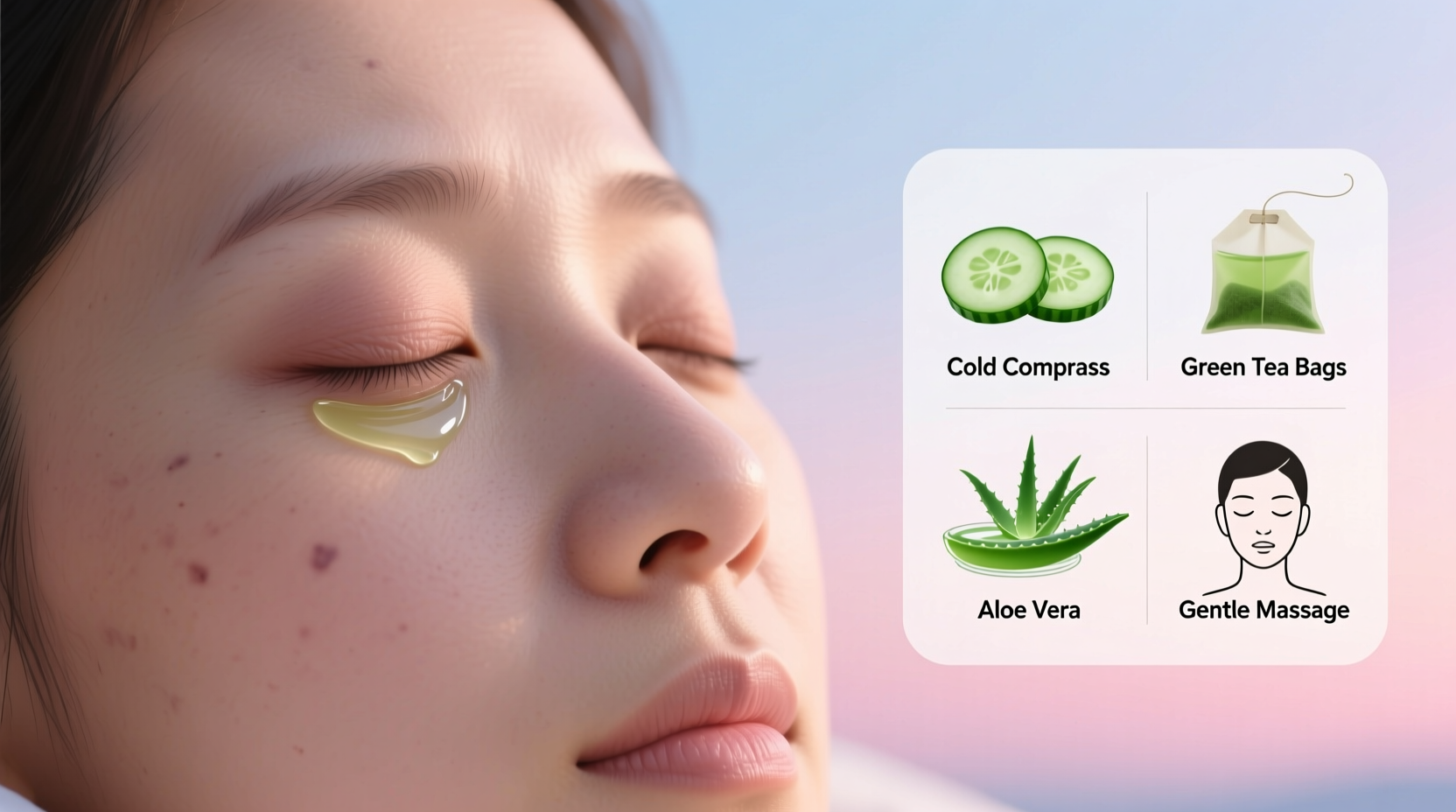
The appearance of puffy eyes upon waking stems from a combination of physiological processes and external influences. During sleep, your body's circulation slows, and fluid may pool in the lower eyelids due to gravity—especially if you sleep flat on your back. But beyond normal overnight fluid redistribution, several factors contribute to chronic or pronounced swelling.
- Excess Salt Intake: Consuming high-sodium foods leads to water retention, which often manifests first in sensitive areas like the eyes.
- Allergies: Seasonal or environmental allergens trigger histamine release, causing inflammation and increased blood flow around the eyes.
- Lack of Sleep: Poor sleep quality disrupts lymphatic drainage and increases cortisol levels, both contributing to facial puffiness.
- Aging: As collagen and elastin decline, skin loses firmness, allowing fat pads beneath the eyes to protrude slightly, creating a “bags” effect.
- Alcohol and Dehydration: Alcohol dilates blood vessels and dehydrates the body, prompting tissues to retain water as compensation.
- Eye Strain: Excessive screen time before bed stresses ocular muscles and may impair fluid balance around the orbital area.
Natural Remedies That Work: Science-Backed Solutions
Before reaching for over-the-counter creams or invasive treatments, consider these evidence-supported natural approaches. Many rely on improving circulation, reducing inflammation, and supporting lymphatic drainage—all without harsh chemicals.
Cucumber Slices
Cucumbers contain antioxidants like vitamin C and caffeic acid, which help soothe irritation and tighten skin. Their high water content also cools inflamed tissue. Place chilled slices over closed eyes for 10–15 minutes each morning.
Green Tea Bags
Brewed green tea bags (cooled) are rich in tannins and catechins, compounds known to constrict blood vessels and reduce swelling. Studies show epigallocatechin gallate (EGCG), a key antioxidant in green tea, has anti-inflammatory properties beneficial for delicate periorbital skin.
Cold Compress
Applying cold temperature causes vasoconstriction—narrowing of blood vessels—which reduces blood flow and minimizes fluid leakage into surrounding tissues. Use a clean cloth soaked in ice water, a chilled spoon, or a reusable gel mask stored in the refrigerator.
Sleep Position Adjustment
Elevating your head slightly during sleep helps prevent fluid from pooling under the eyes. Try using an extra pillow or an adjustable bed base to keep your head above heart level.
“Elevating the head while sleeping is one of the simplest yet most effective ways to reduce morning eye puffiness,” says Dr. Lena Torres, board-certified dermatologist. “It supports natural lymphatic return and prevents gravitational edema.”
Step-by-Step Guide to Reduce Puffiness Naturally
Consistency is key when managing eye puffiness. Follow this daily routine to see gradual improvement within two weeks:
- Evening Hydration Balance: Drink enough water throughout the day but taper intake 1–2 hours before bedtime to minimize nocturnal fluid retention.
- Dietary Awareness: Avoid high-sodium meals, alcohol, and excessive sugar in the evening. Opt for potassium-rich foods like bananas, spinach, and avocados to counteract sodium effects.
- Gentle Cleansing: Remove makeup thoroughly and cleanse the face with a mild, non-irritating cleanser to prevent clogged glands near the eyes.
- Nighttime Skincare: Apply a lightweight eye cream containing caffeine, hyaluronic acid, or peptides. These ingredients support microcirculation and hydration without heaviness.
- Morning Routine:
- Rinse face with cool water.
- Apply a cold compress or chilled metal roller for 5 minutes.
- Use upward massage motions with fingertips to stimulate lymphatic drainage toward the temples and ears.
- Daytime Protection: Wear UV-blocking sunglasses outdoors to shield thin eye-area skin from sun damage, which accelerates sagging and puffiness.
Do’s and Don’ts: Quick Reference Table
| Do’s | Don’ts |
|---|---|
| Stay well-hydrated during the day | Drink large amounts of water right before bed |
| Use cold compresses in the morning | Rub or tug at puffy eyelids aggressively |
| Eat potassium-rich fruits and vegetables | Consume salty takeout or packaged snacks late at night |
| Sleep on your back with elevated head | Sleep facedown or on stained, oily pillowcases |
| Manage allergy symptoms promptly | Ignore persistent itching or redness around the eyes |
Real-Life Example: Sarah’s Journey to Clearer Eyes
Sarah, a 34-year-old graphic designer from Portland, struggled with recurring eye puffiness for years. She attributed it to her busy schedule and frequent late-night work sessions. Despite trying multiple eye gels and cooling patches, she saw little improvement until she tracked her habits closely.
After eliminating late-night snacking—particularly salty chips and wine—she noticed a significant difference within five days. She also began storing two stainless steel spoons in the fridge and used them each morning to gently press along her under-eye area. Combined with switching to a hypoallergenic pillowcase and using a wedge pillow at night, her morning swelling reduced dramatically in three weeks.
“I didn’t realize how much my evening habits were showing up on my face,” Sarah shared. “Now, clearer eyes are part of my self-care routine—not something I cover up.”
When to See a Doctor
While most cases of puffy eyes are benign and lifestyle-related, certain symptoms warrant medical evaluation:
- Swelling that persists throughout the day or worsens over time
- Pain, redness, or warmth around the eyes
- Vision changes or double vision
- Signs of infection such as discharge or crusting
- Generalized facial swelling or puffiness in other body parts
Persistent puffiness could indicate underlying conditions such as thyroid disorders (e.g., hypothyroidism), kidney dysfunction, or chronic sinusitis. If home remedies fail after four weeks of consistent effort, consult a healthcare provider for proper diagnosis.
Frequently Asked Questions
Can lack of sleep cause permanent eye puffiness?
No, occasional sleep deprivation causes temporary swelling that typically resolves with rest and hydration. However, chronic poor sleep may accelerate skin aging and weaken connective tissues, leading to longer-term structural changes under the eyes.
Is it safe to use a jade roller every day?
Yes, facial rollers made of jade, rose quartz, or stainless steel are safe for daily use when cleaned regularly. They promote gentle lymphatic drainage and should be used with light pressure in upward motions—from inner corners outward toward the temples.
Why do my eyes puff up even when I drink plenty of water?
Hydration status is only one factor. Even well-hydrated individuals can experience puffiness due to high dietary sodium, allergies, hormonal fluctuations (such as during menstruation), or genetic predisposition. Monitoring overall electrolyte balance and inflammatory triggers is crucial.
Checklist: Your Natural Anti-Puffiness Plan
Keep this checklist handy to stay on track:
- ✅ Reduce sodium intake, especially in evening meals
- ✅ Stay hydrated during daytime hours
- ✅ Elevate head while sleeping (use an extra pillow)
- ✅ Apply cold compress or chilled tools each morning
- ✅ Incorporate cucumber, green tea, or witch hazel treatments 3–4 times weekly
- ✅ Practice gentle lymphatic massage around the orbital bone
- ✅ Replace old pillowcases weekly; opt for silk or hypoallergenic fabric
- ✅ Limit alcohol and avoid smoking, both of which impair circulation
- ✅ Address allergies with natural antihistamines like quercetin or local honey (if appropriate)
- ✅ Track progress with weekly photos to monitor improvement
Conclusion: Take Control of Morning Puffiness
Puffy eyes don’t have to be a daily struggle. By understanding the interplay between lifestyle, physiology, and skincare, you can implement simple, natural changes that make a visible difference. The remedies discussed here are accessible, affordable, and supported by both anecdotal success and scientific reasoning. What matters most is consistency—small actions repeated over time lead to lasting results.




 浙公网安备
33010002000092号
浙公网安备
33010002000092号 浙B2-20120091-4
Comments
No comments yet. Why don't you start the discussion?