
Every autumn, a quiet transformation sweeps across forests and neighborhoods. Green leaves turn brilliant shades of red, orange, yellow, and purple before falling to the ground. This seasonal spectacle isn’t just beautiful—it’s deeply rooted in biology. At the heart of it all is photosynthesis, the process that powers plant life. Understanding how photosynthesis changes as the seasons shift reveals why leaves transform so dramatically each fall.
The answer lies not in magic but in chemistry, light, temperature, and timing. As daylight shortens and temperatures drop, trees begin preparing for winter. They slow down and eventually shut off photosynthesis in their leaves. This shutdown triggers a cascade of chemical changes, revealing colors that were hidden all along—and sometimes creating new ones. Let’s explore this natural phenomenon step by step.
The Role of Chlorophyll in Leaf Color
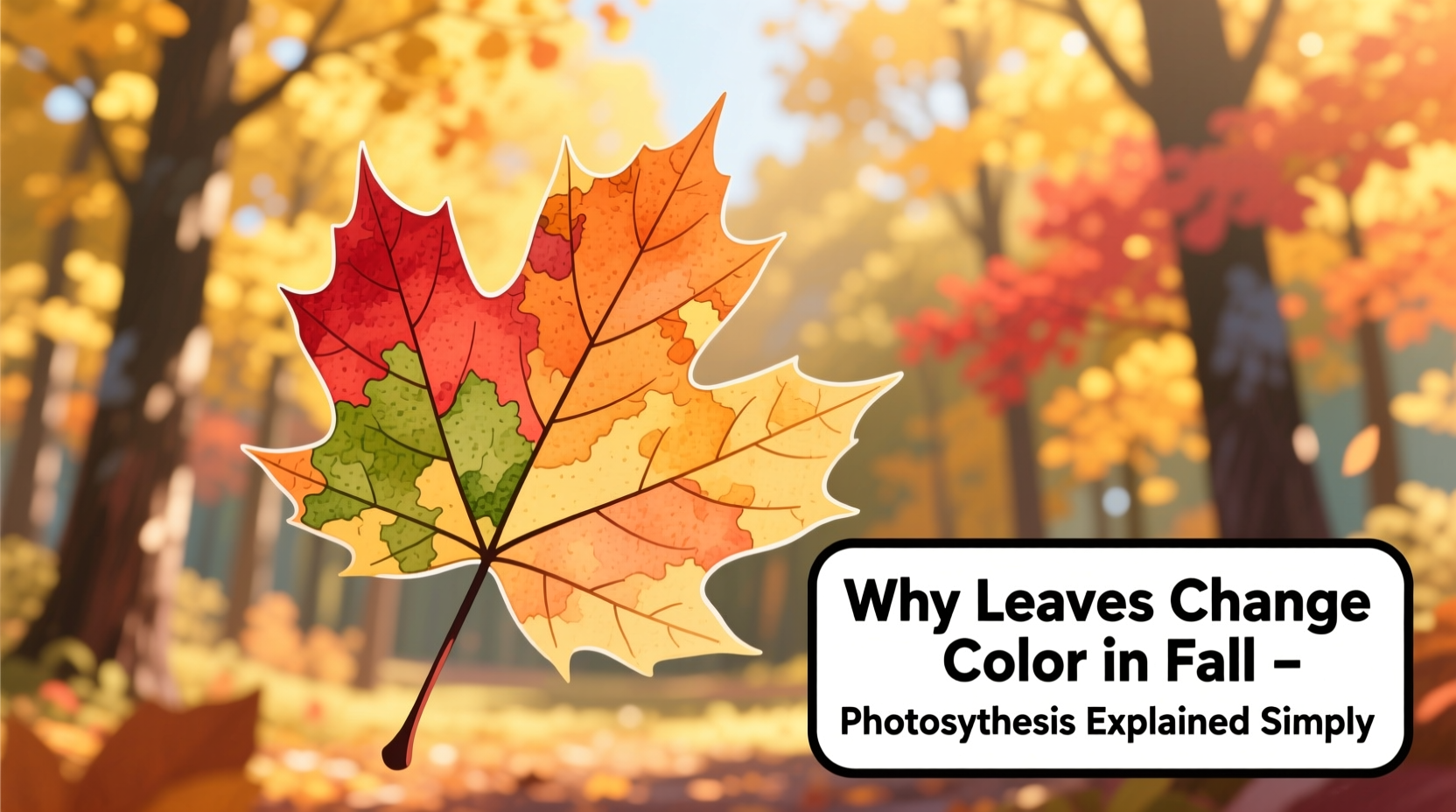
During spring and summer, leaves are green because they’re full of chlorophyll, the pigment responsible for capturing sunlight. This green molecule is essential to photosynthesis—the process by which plants convert sunlight, carbon dioxide, and water into glucose (sugar) for energy and growth.
Chlorophyll doesn’t last forever. It breaks down in sunlight and must be continuously replenished. Throughout the growing season, trees produce chlorophyll nonstop, keeping leaves vibrant and green. But when days grow shorter and cooler in late summer and early fall, trees receive signals to prepare for dormancy.
As part of this preparation, trees gradually reduce chlorophyll production. Without constant renewal, the existing chlorophyll degrades and fades. Once it diminishes, other pigments that were always present—but masked by the dominant green—begin to show.
Hidden Pigments Revealed: Carotenoids and Xanthophylls
Beneath the green surface, leaves contain a palette of other pigments. These include carotenoids and xanthophylls, which produce yellow, orange, and brown hues.
- Carotenoids – Responsible for orange tones (like those in carrots), these pigments assist in photosynthesis by absorbing light at different wavelengths than chlorophyll.
- Xanthophylls – Provide bright yellow colors and also help protect plant cells from excess light damage.
Unlike chlorophyll, these pigments are more stable and don’t break down as quickly. When chlorophyll fades in the fall, carotenoids and xanthophylls remain visible, giving us the golden yellows and rich oranges seen in birch, hickory, and some maple trees.
This revelation of underlying pigments is passive—it happens simply because the green mask is removed. No new production is required. That’s why species like aspen and ginkgo reliably turn golden every year, regardless of weather.
Anthocyanins: The Reds and Purples You Can't Predict
While yellow and orange colors come from pre-existing pigments, reds and purples are different. They result from a pigment called anthocyanin, which is actually produced in the fall—not revealed.
Anthocyanins form when sugars become trapped in the leaves after the tree starts sealing off the connection between the leaf and the branch. This seal, known as the abscission layer, develops at the base of the leaf stem. As it forms, it blocks the flow of nutrients and sugars.
In the presence of bright sunlight and cool nights, these trapped sugars react with proteins in the leaf sap to create anthocyanins. These pigments give leaves their fiery red, crimson, and purple tones—seen famously in sugar maples, red maples, and black tupelo trees.
Because anthocyanin production depends on specific environmental conditions, red foliage varies greatly from year to year. A stretch of sunny days and cold (but above freezing) nights enhances red coloration. Cloudy, rainy falls tend to dull it.
“Anthocyanins may act as a kind of sunscreen for aging leaves, protecting them while the tree reabsorbs valuable nutrients.” — Dr. William Hoch, Plant Physiologist, Montana State University
Why Trees Change Leaves: Survival Strategy, Not Just Beauty
Fall color isn’t just a seasonal decoration. It’s part of a vital survival strategy. Trees shed their leaves to conserve water and energy during winter, when frozen soil makes water uptake difficult and sunlight is limited.
Before letting go, however, trees reclaim as much useful material as possible from their leaves. Nitrogen, phosphorus, and other nutrients are broken down and transported back into the branches and trunk for storage. Chlorophyll contains nitrogen, so breaking it down allows the tree to recycle this valuable element.
The gradual breakdown of chlorophyll and the formation of protective pigments like anthocyanins help regulate this nutrient recovery process. In essence, fall coloration marks the final phase of a leaf’s useful life—a carefully orchestrated retreat rather than a sudden collapse.
| Pigment Type | Color Produced | When Present? | Example Trees |
|---|---|---|---|
| Chlorophyll | Green | Spring & Summer (replenished daily) | All deciduous trees |
| Carotenoids | Orange, Brown | Always present, revealed in fall | Hickory, Oak, Dogwood |
| Xanthophylls | Yellow | Always present, revealed in fall | Aspen, Ginkgo, Birch |
| Anthocyanins | Red, Purple, Crimson | Synthesized in fall under certain conditions | Sugar Maple, Red Maple, Sweetgum |
Timeline: How Leaves Change Over Autumn
The transition from green to colorful to fallen follows a predictable biological sequence:
- Late August – Early September: Daylight decreases, triggering hormonal changes in trees. Growth slows.
- Mid-September: Chlorophyll production begins to decline. Abscission layer starts forming at leaf stems.
- Early to Mid-October: Chlorophyll breaks down rapidly. Carotenoids and xanthophylls become visible. Anthocyanins form in some species under ideal weather.
- Late October – November: Nutrient reabsorption completes. Leaves dry out, detach, and fall.
- Winter: Trees enter dormancy. Stored nutrients sustain them until spring regrowth.
Real Example: A Maple Tree Through Fall
Consider a sugar maple in New England. All summer, its leaves are thick, green, and busy converting sunlight into energy. By late September, the tree senses shorter days and cooler nights. Hormones signal the leaf stems to begin forming the abscission layer.
In early October, chlorophyll levels drop. Yellow and orange pigments emerge. Then, a week of sunny days with nighttime temperatures just above freezing causes sugar buildup in the leaves. Anthocyanins form, turning the canopy into a blazing red crown.
Over the next few weeks, the tree pulls nitrogen and minerals from the leaves back into its branches. Eventually, the abscission layer fully severs the leaf’s connection. A breeze sends it fluttering to the ground, where it will decompose and return nutrients to the soil.
This entire process—from color change to leaf drop—can take four to six weeks, depending on species and climate. It’s not random; it’s a finely tuned adaptation shaped by millions of years of evolution.
Factors That Influence Fall Color Intensity
While all deciduous trees lose their leaves in response to seasonal cues, the brilliance of the display varies widely. Several environmental factors play key roles:
- Sunlight: Bright fall days increase sugar production in leaves, boosting anthocyanin synthesis and red coloration.
- Night Temperature: Cool nights (above freezing) enhance color. Frost can abruptly end the process, causing leaves to drop prematurely.
- Soil Moisture: Adequate rain during the growing season leads to healthier trees and better color. Drought can delay or dull the change.
- Tree Health: Stressed trees (from pests, disease, or pollution) may change color earlier or show less vibrant hues.
Checklist: What You Can Do to Appreciate and Support Fall Color
- Observe local trees weekly to notice subtle changes in color progression.
- Photograph the same tree over several weeks to document the transformation.
- Support urban tree planting—healthy city trees contribute to seasonal beauty.
- Avoid raking leaves too quickly; let them decompose naturally to enrich soil.
- Reduce lawn chemicals near trees, which can interfere with nutrient cycling.
- Learn to identify tree species by their fall color patterns.
Frequently Asked Questions
Do evergreen trees change color too?
Most evergreens retain their needles year-round, but they do undergo subtle color shifts. Some, like white pine, may turn yellowish in winter due to reduced chlorophyll activity. Others, such as the larch (a conifer), actually shed their needles annually and turn golden in fall.
Why do some trees turn color earlier than others?
Different species have evolved unique responses to environmental cues. Oaks may hold their leaves well into winter, while black tupelos change early in the season. Individual tree health, location, and microclimate also influence timing.
Can climate change affect fall colors?
Yes. Warmer autumns, prolonged droughts, and shifting precipitation patterns can delay leaf drop, reduce color intensity, or cause premature defoliation. Scientists are studying how rising CO₂ levels and temperature changes may alter long-term forest cycles.
Conclusion: Nature’s Annual Masterpiece
The changing colors of fall leaves are far more than a picturesque backdrop. They represent a precise biological process driven by photosynthesis, seasonal rhythms, and evolutionary adaptation. From the fading of green chlorophyll to the creation of dazzling reds, every hue tells a story of survival, resource management, and preparation for winter.
Understanding the science behind fall color deepens our appreciation of nature’s complexity. It reminds us that even the most fleeting moments—like a single leaf drifting to the ground—are the result of intricate, interconnected systems working in harmony.




 浙公网安备
33010002000092号
浙公网安备
33010002000092号 浙B2-20120091-4
Comments
No comments yet. Why don't you start the discussion?