
Ears that pop unexpectedly or frequently can be more than just a minor annoyance—they can signal changes in pressure, underlying health conditions, or environmental triggers. While occasional ear popping is normal, especially during altitude shifts, persistent or painful popping may require attention. Understanding the mechanics behind this sensation, its common causes, and when it’s time to consult a professional empowers you to manage your ear health effectively.
How Ear Popping Works: The Science Behind the Pop
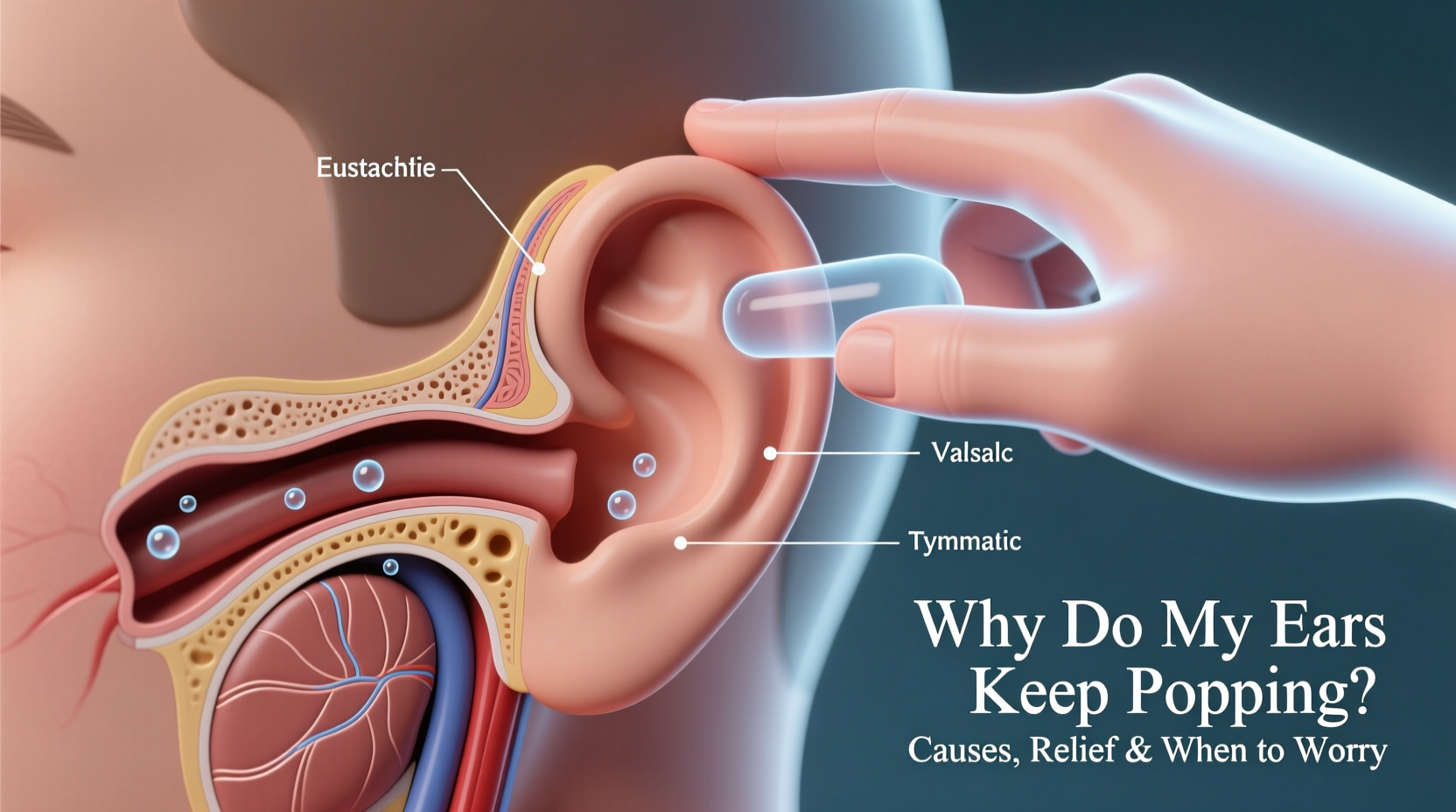
The sensation of ear popping stems from the Eustachian tube, a small canal connecting the middle ear to the back of the throat. Its primary role is to equalize air pressure on both sides of the eardrum. When pressure differs between the outer and middle ear—such as during takeoff in an airplane or while driving up a mountain—the Eustachian tube opens briefly to allow air to flow in or out, resulting in a “pop.”
This process is usually automatic but can be triggered voluntarily through actions like swallowing, yawning, or the Valsalva maneuver (gently blowing with the nose pinched shut). When the tube functions properly, these adjustments happen seamlessly. However, blockages, inflammation, or dysfunction can interfere, leading to frequent, uncomfortable, or one-sided popping.
“Eustachian tube dysfunction is one of the most common yet underdiagnosed causes of chronic ear fullness and popping.” — Dr. Lena Patel, Otolaryngologist
Common Causes of Frequent Ear Popping
Frequent or involuntary ear popping typically results from disruptions in pressure regulation. These can stem from everyday situations or underlying medical issues:
- Altitude Changes: Flying, hiking, or driving through mountainous regions causes rapid pressure shifts, prompting repeated popping.
- Allergies and Sinus Congestion: Inflammation from allergic reactions or colds can swell the Eustachian tube lining, impairing its ability to open and close properly.
- Upper Respiratory Infections: Colds, flu, or sinus infections often lead to mucus buildup, blocking the tube and causing persistent popping or crackling sounds.
- Barotrauma: Sudden pressure changes (e.g., scuba diving) without proper equalization can damage the Eustachian tube or eardrum.
- Temporomandibular Joint (TMJ) Disorders: Jaw joint issues near the ear can affect muscle function and create popping sensations that mimic ear-related symptoms.
- Patulous Eustachian Tube: A rare condition where the tube remains abnormally open, causing autophony (hearing your own voice echo) and constant popping with breathing.
Effective Relief Methods for Ear Popping
In most cases, ear popping resolves once pressure normalizes or congestion clears. Several techniques can speed up relief and restore comfort:
1. Swallowing and Yawning
Natural actions that activate the muscles opening the Eustachian tube. Chewing gum or sucking on hard candy encourages frequent swallowing, especially useful during air travel.
2. Valsalva Maneuver
Gently blow air out through your nose while pinching it shut and keeping your mouth closed. This forces air into the middle ear, equalizing pressure. Use caution—blowing too hard can damage the eardrum.
3. Toynbee Maneuver
Pinch your nose and swallow simultaneously. This combines pressure adjustment with natural tube activation, often more comfortable than the Valsalva method.
4. Nasal Decongestants and Sprays
Over-the-counter decongestants (like pseudoephedrine) or nasal sprays (like oxymetazoline) reduce swelling in nasal passages and Eustachian tubes. Limit spray use to 3 days to avoid rebound congestion.
5. Warm Compresses
Applying a warm cloth to the affected ear can soothe discomfort and promote circulation, potentially easing mild blockages.
| Method | Best For | Caution |
|---|---|---|
| Swallowing/Yawning | Mild pressure changes, flying | None |
| Valsalva Maneuver | Rapid altitude shifts | Avoid if you have ear infection; don’t blow forcefully |
| Nasal Decongestants | Congestion from colds or allergies | Not for long-term use; check with doctor if hypertensive |
| Warm Compress | Ear fullness without infection | Do not use if drainage or fever present |
When to Worry: Red Flags Requiring Medical Attention
While most ear popping is temporary and harmless, certain symptoms suggest a need for evaluation by a healthcare provider:
- Pain that persists beyond 48 hours after pressure change
- Hearing loss or muffled sound lasting more than a few days
- Dizziness, vertigo, or balance issues accompanying popping
- Fluid drainage from the ear (clear, bloody, or pus-like)
- Tinnitus (ringing in the ears) that worsens or doesn’t resolve
- Symptoms occurring only on one side without clear cause
These could indicate complications such as middle ear infection (otitis media), eardrum perforation, or Eustachian tube dysfunction requiring treatment. Chronic cases may benefit from prescription medications, hearing tests, or referral to an ENT specialist.
“If ear popping becomes daily, painful, or affects your hearing, don’t wait. Early intervention prevents long-term complications.” — Dr. Alan Reyes, ENT Specialist
Real-Life Example: Air Travel and Recurring Ear Pressure
Sarah, a marketing consultant who flies weekly, began experiencing persistent ear popping and a feeling of fullness after a turbulent flight. Initially dismissing it as post-flight pressure, she noticed the sensation lingered for over a week, accompanied by mild dizziness. After trying decongestants and chewing gum without improvement, she consulted an ENT. Testing revealed fluid buildup due to Eustachian tube dysfunction exacerbated by undiagnosed seasonal allergies. With a course of antihistamines and nasal steroids, her symptoms resolved within two weeks. Sarah now manages her allergy triggers proactively before flights and uses filtered earplugs during ascent and descent.
Step-by-Step Guide to Managing Ear Popping at Home
- Assess the context: Did the popping start during or after altitude change, illness, or jaw movement?
- Try gentle pressure-equalizing techniques: Swallow, yawn, or perform the Toynbee maneuver.
- Use OTC remedies: Take a decongestant or use a saline nasal spray if congestion is present.
- Stay hydrated: Drink water to thin mucus and support mucosal function.
- Wait 24–48 hours: Monitor for improvement. Avoid inserting objects into the ear.
- Seek medical advice: If symptoms persist, worsen, or include pain, hearing loss, or discharge.
Frequently Asked Questions
Can earwax cause my ears to pop?
Directly, no—but excessive earwax can create a sensation of fullness or pressure that mimics Eustachian tube issues. It may also trap moisture and contribute to infection, indirectly affecting ear function.
Is it safe to pop my ears every day?
No. Frequent forced popping (like aggressive Valsalva maneuvers) can weaken the Eustachian tube or damage the eardrum over time. Occasional use for pressure relief is fine; daily reliance suggests an underlying issue needing evaluation.
Why does my ear pop when I move my jaw?
Jaw motion affects muscles connected to the Eustachian tube. If you have TMJ disorder or muscle tension, jaw movements can trigger audible pops. Persistent clicking or pain warrants dental or ENT assessment.
Take Control of Your Ear Health
Frequent ear popping is often a manageable response to environmental or physiological changes. By understanding the causes and applying practical relief strategies, most people find quick improvement. However, ignoring persistent symptoms risks complications like chronic ear infections or hearing changes. Listen to your body—if something feels off, seek expert care. Small steps today can prevent bigger issues tomorrow.




 浙公网安备
33010002000092号
浙公网安备
33010002000092号 浙B2-20120091-4
Comments
No comments yet. Why don't you start the discussion?