
It’s a sensation many people experience: after a long day of work, intense focus, or physical exertion, your hands begin to tremble slightly—especially when holding something steady or extending your arms. While occasional shaking when tired may seem harmless, it can spark concern. Is this normal fatigue-related tremor, or could it be a sign of an underlying neurological condition?
The short answer is that mild hand tremors when fatigued are often benign and linked to muscle exhaustion, low blood sugar, or adrenaline release. However, persistent or worsening tremors—even when rested—may warrant medical evaluation. Understanding the science behind these shakes helps distinguish between everyday fatigue and potential red flags.
Understanding Physiological Tremors
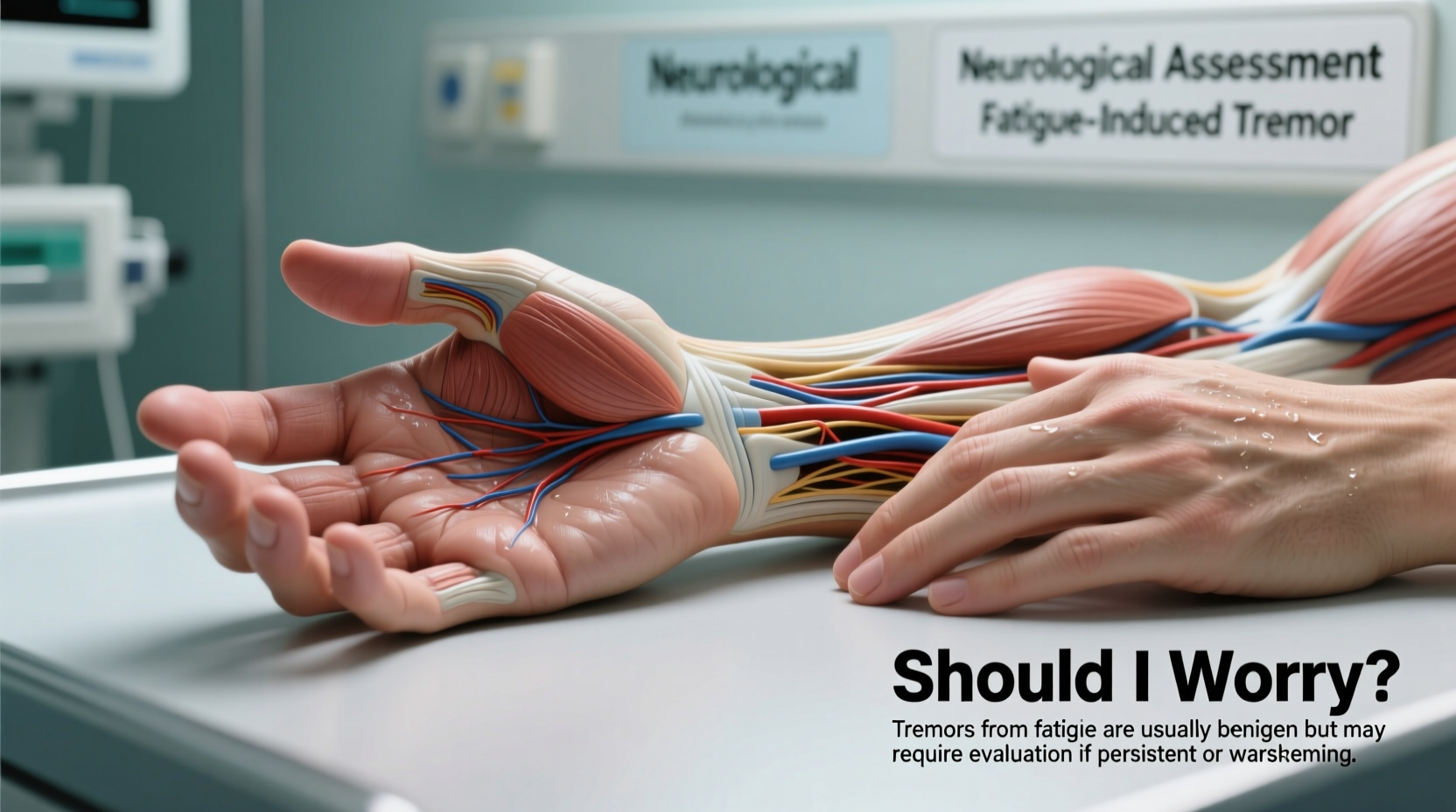
All humans have a baseline level of involuntary muscle activity known as a “physiological tremor.” This micro-shaking is usually too subtle to notice but becomes more pronounced under certain conditions. Fatigue amplifies this natural tremor through several interconnected mechanisms:
- Muscle fatigue: Prolonged use of hand and arm muscles depletes energy stores, impairing fine motor control.
- Nervous system overload: Extended mental concentration increases neural firing rates, which can destabilize motor signals.
- Adrenaline surge: Stress or anxiety triggers epinephrine release, stimulating neuromuscular excitability.
- Low glucose levels: Skipping meals or intense cognitive effort reduces blood sugar, affecting brain-to-muscle communication.
In healthy individuals, these factors combine during periods of exhaustion to produce temporary, low-amplitude shaking—typically in the fingers, palms, or forearms. The tremor subsides with rest, hydration, and nutrition.
Common Causes of Fatigue-Induced Hand Tremors
Fatigue doesn’t act alone. It often interacts with lifestyle and biological factors that lower your threshold for tremors. Recognizing these contributors allows for targeted prevention.
Caffeine and Stimulant Intake
While coffee boosts alertness, excessive caffeine (over 400 mg daily) heightens central nervous system activity. Combined with fatigue, this can amplify resting tremors. Energy drinks, pre-workout supplements, and some medications also contain stimulants like taurine or ephedrine that contribute.
Sleep Deprivation
Chronic lack of sleep disrupts cerebellar function—the brain region responsible for motor coordination. A study published in *Neurology* found that just one night of poor sleep increased hand tremor amplitude by up to 37% in test subjects performing precision tasks.
Dehydration and Electrolyte Imbalance
Fluid loss affects nerve conductivity. Sodium, potassium, and magnesium play critical roles in transmitting electrical signals between nerves and muscles. Even mild dehydration from inadequate water intake or excessive sweating can trigger shaky hands, especially post-exercise.
Stress and Mental Exhaustion
Prolonged stress elevates cortisol and norepinephrine, both of which increase muscle tension and jitteriness. Professionals in high-pressure fields—surgeons, musicians, writers—often report hand tremors at the end of demanding days, even without physical strain.
“Fatigue-related tremors are common and usually reversible. But if they interfere with daily activities—like writing, eating, or holding a cup—it’s time to look deeper.” — Dr. Lena Patel, Neurologist at Boston General Hospital
When Should You Be Concerned?
Not all tremors are created equal. The key is distinguishing transient, fatigue-linked shaking from symptoms that suggest a neurological disorder such as essential tremor, Parkinson’s disease, or thyroid dysfunction.
Consider the following warning signs:
- Tremors persist even after full rest and proper sleep
- Shaking worsens over weeks or months
- Tremors affect both sides of the body asymmetrically
- You notice stiffness, slowness of movement, or balance issues
- Family history of movement disorders
- Tremors occur at rest (not just during action)
If any of these apply, consult a neurologist. Early diagnosis improves outcomes, particularly for progressive conditions.
Distinguishing Tremor Types
| Type of Tremor | Trigger | Typical Pattern | Associated Conditions |
|---|---|---|---|
| Physiological (fatigue-induced) | Exertion, stress, caffeine, low blood sugar | During action, improves with rest | None (normal variant) |
| Essential Tremor | Action or posture-holding (e.g., reaching) | Bilateral, rhythmic shaking; often familial | Genetic predisposition |
| Resting Tremor | At complete rest, diminishes with movement | \"Pill-rolling\" motion of thumb and fingers | Parkinson’s disease |
| Task-Specific Tremor | Only during specific activities (e.g., writing) | Limited to one function | Writer’s cramp, dystonia |
A resting tremor—shaking that occurs when your hands are fully relaxed on your lap—is far more concerning than an action tremor brought on by fatigue. Similarly, tremors that spread to the head, voice, or legs require further investigation.
Mini Case Study: Sarah’s Experience with Work-Related Tremors
Sarah, a 38-year-old graphic designer, began noticing her hands shook slightly after long editing sessions. Initially, she dismissed it as eye strain or screen fatigue. Over six months, however, the trembling became noticeable even when she wasn’t working—while pouring coffee or brushing her teeth.
She tracked her habits and discovered patterns: tremors were worse on days with less than six hours of sleep, high caffeine intake, and skipped lunches. After adjusting her routine—drinking more water, reducing coffee, and scheduling regular breaks—the shaking improved significantly.
But because the tremor hadn’t disappeared entirely, she consulted a neurologist. Tests ruled out Parkinson’s and thyroid issues. Instead, she was diagnosed with enhanced physiological tremor, exacerbated by lifestyle factors. With minor adjustments and periodic monitoring, Sarah regained confidence in her hand stability.
Her case illustrates how fatigue acts as a trigger, not necessarily a cause. Addressing root contributors often resolves the symptom without medication.
Step-by-Step Guide to Assess and Reduce Hand Tremors
If you’re experiencing hand shaking when tired, follow this practical timeline to evaluate and manage it effectively:
- Week 1: Track Triggers
Create a daily log noting when tremors occur, along with sleep duration, caffeine intake, meal times, stress levels, and physical activity. Use a notebook or app to record observations. - Week 2: Optimize Lifestyle Factors
Reduce caffeine to ≤200 mg/day (about one strong coffee), ensure 7–8 hours of sleep, eat balanced meals with protein and complex carbs, and stay hydrated (aim for 2–2.5 liters of water). - Week 3: Incorporate Relaxation Techniques
Practice deep breathing, meditation, or progressive muscle relaxation for 10 minutes daily. These reduce sympathetic nervous system overactivity linked to tremors. - Week 4: Evaluate Progress
Review your log. If tremors decreased by 50% or more, continue current habits. If unchanged or worsening, schedule a doctor’s visit. - Month 2+: Medical Follow-Up (if needed)
See a healthcare provider for blood tests (thyroid, glucose, electrolytes), neurological exam, and possibly a referral to a neurologist.
Checklist: What You Can Do Today
Use this actionable checklist to immediately address fatigue-related hand tremors:
- ✅ Drink a glass of water and eat a snack rich in protein and complex carbs (e.g., nuts and fruit)
- ✅ Take a 10-minute break from screens or repetitive hand use
- ✅ Perform gentle hand and wrist stretches (make a fist, then slowly open fingers wide—repeat 5x)
- ✅ Avoid caffeine for the next 24 hours to assess its impact
- ✅ Go to bed 30 minutes earlier tonight to improve recovery
- ✅ Write down three stressors from your day and reflect on ways to reduce them
Frequently Asked Questions
Can dehydration really cause shaky hands?
Yes. Dehydration alters electrolyte balance, particularly sodium and potassium, which are essential for nerve signal transmission. Even mild dehydration (as little as 2% body weight loss) can impair neuromuscular coordination and increase tremor visibility.
Is it normal for hand tremors to run in families?
Some forms of tremor, especially essential tremor, have a strong genetic component. If a parent or sibling has noticeable shaking during movement, you may be more prone to similar symptoms—particularly under stress or fatigue.
Should I stop drinking coffee if my hands shake?
You don’t need to eliminate coffee entirely, but limiting intake to one cup per day and avoiding it after noon can help. Monitor your symptoms for two weeks after reducing caffeine to determine its role.
Conclusion: Listen to Your Body, Act with Confidence
Occasional hand tremors when tired are typically nothing to fear. They reflect the delicate balance of your nervous and muscular systems under stress. By addressing modifiable factors—sleep, diet, hydration, and stress—you can often restore stability without medical intervention.
However, dismissing persistent or progressive symptoms can delay diagnosis of treatable conditions. There’s no benefit in enduring uncertainty. If tremors interfere with your life or appear beyond normal fatigue, seeking professional guidance is not an overreaction—it’s self-care.




 浙公网安备
33010002000092号
浙公网安备
33010002000092号 浙B2-20120091-4
Comments
No comments yet. Why don't you start the discussion?