
If you’ve ever found yourself applying lip balm repeatedly throughout the day—only to feel dry, tight, or cracked lips minutes later—you’re not alone. Millions struggle with persistent chapping despite diligent use of balms, salves, and serums. The paradox is real: the more you apply, the worse it can seem. But why? The answer isn’t simply “not enough moisture.” Chapped lips that resist treatment often stem from deeper, overlooked causes ranging from environmental triggers to product ingredients, habits, and even systemic health issues. Understanding these underlying mechanisms is key to breaking the cycle.
The Misconception About Lip Balm as a Cure-All
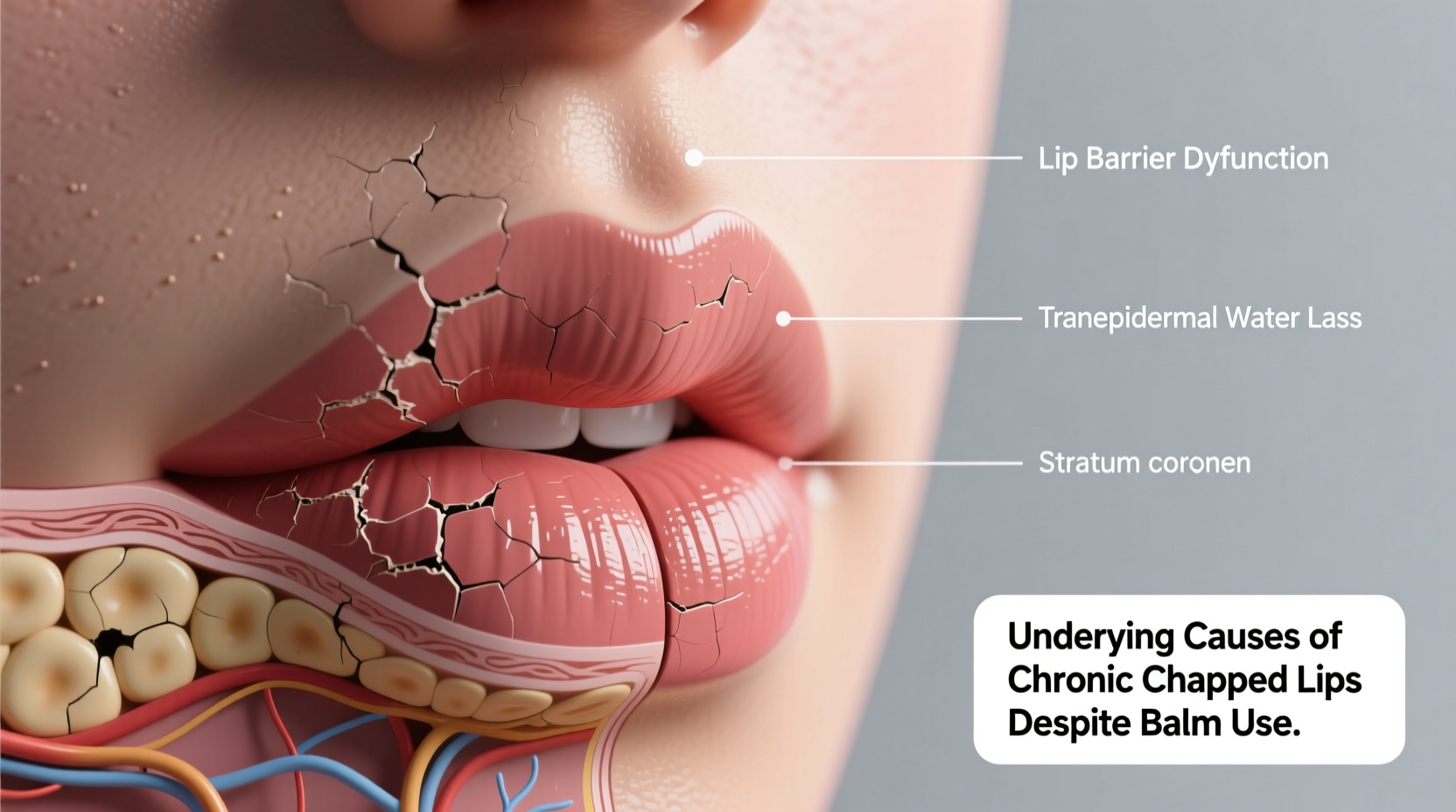
Lip balm is widely marketed as a protective and healing agent, but it’s crucial to recognize its role: most are occlusives, meaning they form a barrier on the surface to slow moisture loss. They don’t actively hydrate like a moisturizer does for skin. Instead, they trap whatever moisture is already present. If your lips are already dehydrated, slathering on balm may seal in dryness rather than reverse it.
This misunderstanding leads many into a dependency loop. You apply balm, get temporary relief, then reapply when the sensation returns—often mistaking the need for hydration as a lack of product. Over time, this can condition the lips to rely on external protection instead of maintaining their natural barrier function.
Common Underlying Causes of Persistent Lip Chapping
1. Irritating Ingredients in Your Lip Balm
Ironically, the very product meant to soothe your lips might be making things worse. Many commercial lip balms contain allergens or irritants such as:
- Fragrances (like mint, citrus, or vanilla)
- Camphor, menthol, or phenol (create a cooling sensation but are drying)
- Alcohol-based carriers
- Parabens and synthetic preservatives
These ingredients can trigger low-grade inflammation, leading to chronic irritation. Phenol, in particular, exfoliates the top layer of skin, which may feel momentarily refreshing but weakens the lip barrier over time.
2. Chronic Licking or Rubbing of Lips
Habitual lip licking is one of the most common yet underdiagnosed causes of persistent chapping. Saliva contains digestive enzymes like amylase and lipase, which break down food—but also strip away natural oils from delicate lip tissue. Once saliva evaporates, it leaves lips drier than before. This creates a vicious cycle: dryness prompts licking, which worsens dryness.
Similarly, unconscious rubbing, biting, or picking at flaky skin damages the epidermis and delays healing.
3. Environmental and Climate Factors
Cold, dry air saps moisture from exposed skin, and lips—lacking oil glands—are especially vulnerable. Indoor heating during winter further reduces humidity, accelerating dehydration. In contrast, prolonged sun exposure breaks down collagen and damages the lipid barrier, increasing susceptibility to cracking.
High-altitude areas, windy conditions, and air-conditioned environments all contribute to trans-epidermal water loss (TEWL), the process by which moisture escapes from the skin.
4. Dehydration and Nutritional Deficiencies
Your body’s internal state directly affects your lips. Chronic dehydration reduces overall skin turgor, including lip tissue. Even mild fluid deficits can manifest first on thin-skinned areas like the lips.
Additionally, deficiencies in specific nutrients impair skin repair and barrier integrity. Key culprits include:
- Vitamin B2 (Riboflavin): Deficiency linked to angular cheilitis and fissured lips.
- Vitamin B3 (Niacin): Low levels cause pellagra, marked by dermatitis—including on lips.
- Vitamin B12 and Iron: Associated with atrophic glossitis and increased lip sensitivity.
- Zinc: Essential for wound healing; deficiency delays recovery from cracks.
5. Allergic or Irritant Contact Cheilitis
This condition occurs when lips react to allergens in cosmetics, toothpaste, or foods. Common triggers include:
- Sodium lauryl sulfate (SLS) in toothpaste
- Cinnamaldehyde in flavored lip products
- Nickel from metal utensils or jewelry
Symptoms include redness, swelling, scaling, and persistent dryness—often misdiagnosed as simple chapping.
“Many patients come in using high-end lip balms religiously, only to discover they’re allergic to a fragrance ingredient they’ve been reapplying every hour.” — Dr. Lena Torres, Dermatologist & Cosmetic Scientist
Do’s and Don’ts: A Practical Table for Lip Health
| Do | Don’t |
|---|---|
| Use balms with ceramides, shea butter, or petrolatum | Use products with menthol, camphor, or alcohol |
| Apply balm after drinking water or using a hydrating serum | Lick your lips to moisten them |
| Stay hydrated and eat a balanced diet rich in B vitamins | Peel or pick at flaking skin |
| Use a humidifier indoors during dry seasons | Wear matte liquid lipsticks daily without protection |
| Switch to SLS-free toothpaste if lips are chronically inflamed | Ignore persistent cracking lasting over 3 weeks |
Step-by-Step Guide to Healing Stubbornly Chapped Lips
Breaking the cycle requires a strategic approach. Follow this five-day protocol to reset lip health:
- Day 1: Stop All Current Products
Pause all lip balms, scrubs, and cosmetics. Let your lips “breathe” and assess baseline condition. - Day 2: Gentle Exfoliation (Optional)
If heavy flaking exists, mix one teaspoon honey with half a teaspoon sugar. Gently massage lips for 10 seconds, then rinse. Do not scrub if cracks are bleeding. - Day 3: Hydrate Then Seal
After a warm shower, apply a few drops of hyaluronic acid serum or pure aloe vera gel to damp lips. Wait two minutes, then seal with plain petroleum jelly. - Days 4–5: Reintroduce Safe Products
Choose a minimalist balm with occlusive but non-irritating ingredients (e.g., lanolin, beeswax, shea butter). Avoid flavors and fragrances. - Ongoing: Monitor and Maintain
Reapply only when necessary—typically 2–3 times daily. Track changes weekly.
Mini Case Study: Sarah’s Chronic Lip Chapping
Sarah, a 32-year-old teacher, used a popular medicated lip balm up to ten times a day. Despite this, her lips remained cracked at the corners and frequently bled. She visited a dermatologist after two months of no improvement. Upon reviewing her routine, the doctor discovered two key factors: Sarah was using a toothpaste containing sodium lauryl sulfate (SLS), and her go-to lip balm contained phenol and menthol.
She was advised to switch to an SLS-free toothpaste and discontinue the medicated balm. For one week, she applied only petroleum jelly after washing her face. Within ten days, her lip fissures began healing. Blood tests later revealed a mild deficiency in vitamin B12, likely exacerbated by a plant-based diet without supplementation. With dietary adjustments and continued gentle care, her lip health normalized within six weeks.
When to Seek Medical Help
Persistent chapping lasting more than three weeks—even with proper care—may indicate an underlying condition. Consider seeing a healthcare provider if you experience:
- Cracks that won’t heal or bleed frequently
- Painful sores at the corners of the mouth (angular cheilitis)
- Swelling, blistering, or white patches
- Scaling that spreads beyond the lip border
These could signal fungal infections (like candidiasis), autoimmune disorders (such as lupus or Crohn’s disease), or precancerous changes like actinic cheilitis due to UV damage.
Frequently Asked Questions
Can drinking more water cure chapped lips?
While staying hydrated supports overall skin health, drinking water alone won’t resolve chapped lips if external factors (like licking, irritants, or weather) are active. Hydration works best when combined with topical protection and behavioral changes.
Is it possible to be addicted to lip balm?
There’s no physiological addiction, but psychological dependency is common. People reapply out of habit or anxiety, especially if the product contains irritants that create a tingling sensation, prompting repeated use. Switching to a plain occlusive like petrolatum can help break the cycle.
Are matte lipsticks causing my dryness?
Yes, many matte and long-wear formulas contain alcohol and film-forming agents that bind tightly to lips, drawing out moisture. Always apply a nourishing base before wearing such products, and avoid sleeping with lipstick on.
Final Checklist for Healthy Lips
- Eliminate lip balms with menthol, camphor, or artificial fragrances.
- Switch to an SLS-free toothpaste if you have recurring corner cracks.
- Stop licking, biting, or peeling your lips.
- Drink adequate water and consume B-vitamin-rich foods (eggs, dairy, leafy greens).
- Use petroleum jelly or a clean, minimal balm as a nighttime sealant.
- Add indoor humidity during dry months.
- Wear sunscreen on your lips daily—yes, SPF lip balm matters.
- See a dermatologist if chapping persists beyond three weeks.
Conclusion: Break the Cycle, Restore Balance
Chapped lips aren’t just a cosmetic nuisance—they’re a signal from your body that something is off. Whether it’s a hidden ingredient, a nutritional gap, or a subconscious habit, the solution lies in looking beyond the balm tube. True lip health comes from addressing root causes, not masking symptoms. By reassessing your products, habits, and environment, you can end the endless cycle of reapplication and finally achieve soft, resilient lips. Start today: put down the minty balm, hydrate properly, and give your lips the intelligent care they deserve.




 浙公网安备
33010002000092号
浙公网安备
33010002000092号 浙B2-20120091-4
Comments
No comments yet. Why don't you start the discussion?