
Peeling nails are more than just a cosmetic concern—they can signal underlying nutritional deficiencies, environmental stressors, or even systemic health conditions. If you've noticed your nails splitting, flaking, or peeling frequently despite careful manicures and protective habits, the root cause may lie deeper than surface damage. While external factors like excessive water exposure or chemical use play a role, internal imbalances—particularly vitamin and mineral deficiencies—are often overlooked contributors. Understanding the science behind nail structure and the nutrients that support it is key to restoring strength and resilience.
Nails are made primarily of keratin, a tough protein also found in hair and skin. Healthy nail growth depends on consistent nourishment, hydration, and protection from physical and chemical trauma. When any part of this system falters, the result can be brittle, layered, or peeling nails. Fortunately, many cases respond well to targeted dietary changes and supplementation when appropriate.
The Anatomy of Nail Peeling: What’s Really Happening
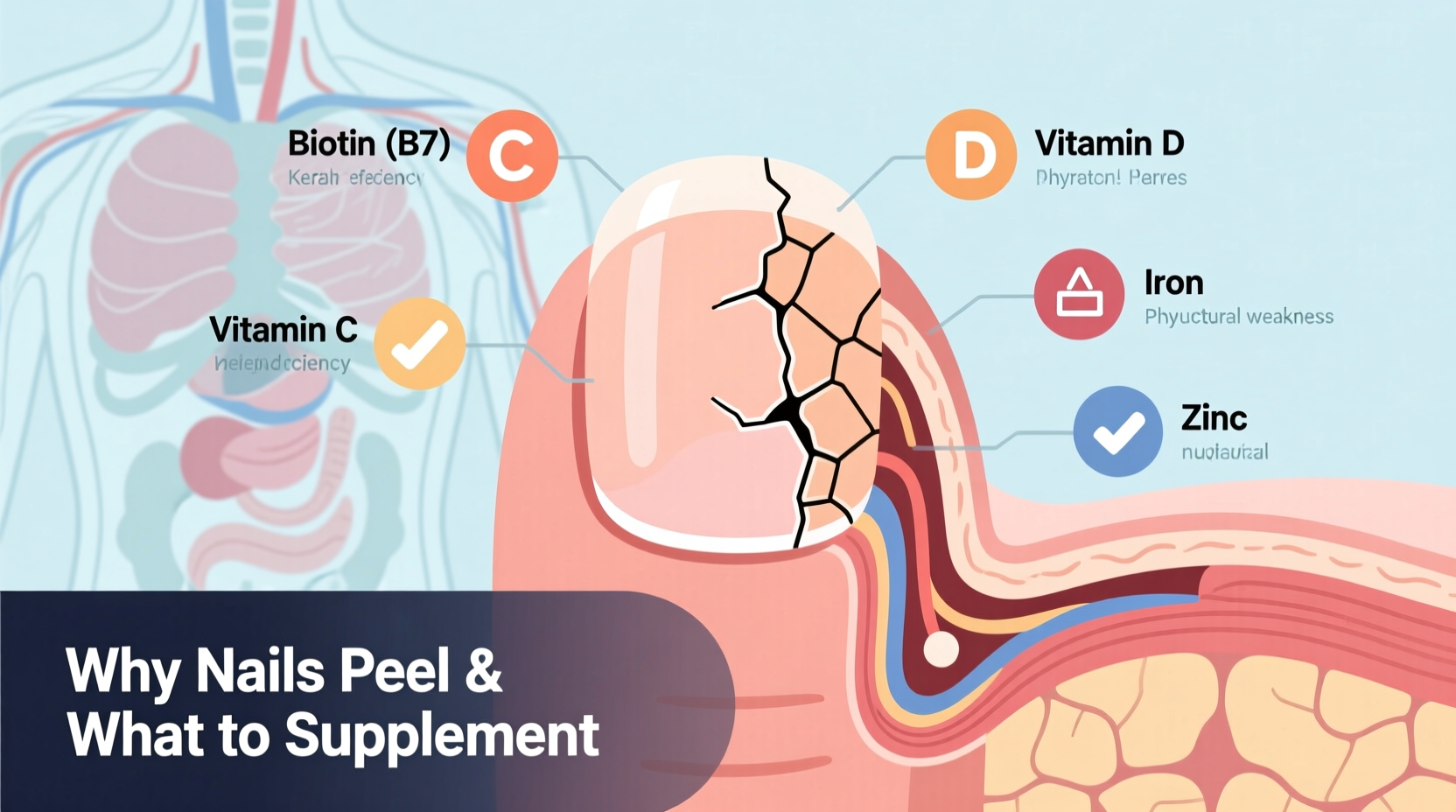
Peeling nails typically involve the separation of layers within the nail plate. This layering effect—often mistaken for dryness—is a sign of structural weakness. The nail grows from the matrix beneath the cuticle, and as new cells form, they push older cells forward, hardening into the visible nail. Any disruption in this process—whether due to nutrient shortages, dehydration, or injury—can compromise integrity.
There are two main types of peeling:
- Horizontal peeling (onychoschizia): Layers split across the width of the nail, commonly at the free edge. This is the most frequent form and often linked to repeated wet-dry cycles, such as frequent handwashing or dishwashing without gloves.
- Vertical splitting: Cracks run from the base toward the tip. This may indicate long-term trauma, aging, or deeper nutritional issues.
While occasional peeling can happen to anyone, chronic or worsening symptoms suggest an imbalance that needs attention. Environmental triggers alone rarely cause persistent peeling unless compounded by internal vulnerabilities.
Key Vitamins and Minerals That Support Nail Health
Nail strength begins with nutrition. Several micronutrients play direct roles in keratin production, cell turnover, and moisture retention. Deficiencies in these areas can manifest visibly in the nails before other symptoms appear.
Biotin (Vitamin B7)
Biotin is perhaps the most well-known nutrient for nail health. It supports the infrastructure of keratin and has been shown in clinical studies to improve thickness and reduce splitting. A 2017 review published in *Skin Appendage Disorders* found that daily biotin supplementation increased nail thickness by up to 25% in individuals with brittle nails after several months.
Vitamin A
This fat-soluble vitamin regulates cell growth and differentiation, including the epithelial cells that form nails. However, balance is crucial—both deficiency and excess can harm nails. Too little leads to dryness; too much (from supplements) can cause brittleness and shedding.
Vitamin C
Essential for collagen synthesis, vitamin C strengthens the nail bed and supports vascular health underneath the nail. It also acts as an antioxidant, protecting against oxidative stress from pollution and UV exposure.
Vitamin D
Linked to overall skin and tissue health, vitamin D deficiency has been associated with brittle nails and slow growth. Since it aids calcium absorption, low levels may indirectly weaken nail structure.
Vitamin E
A potent antioxidant, vitamin E protects lipid membranes in nail cells and helps retain moisture. Topical and oral forms may both benefit nail integrity, though over-supplementation can interfere with clotting.
Iron
Iron deficiency—anemia—is a common but underdiagnosed cause of koilonychia (spoon-shaped nails) and general fragility. Even borderline iron stores (low ferritin) can impair nail growth. Women, especially those with heavy menstrual cycles, are at higher risk.
Zinc
Zinc is involved in DNA synthesis and cell division—critical processes in fast-growing tissues like nails. Deficiency may lead to white spots, weak texture, and peeling.
Magnesium
Though less directly studied, magnesium contributes to protein synthesis and enzyme function necessary for healthy keratin formation. Low intake may exacerbate brittleness.
“Nails are a window to internal health. Persistent peeling shouldn’t be dismissed as merely cosmetic—it often reflects nutritional gaps.” — Dr. Lena Torres, Board-Certified Dermatologist
Do’s and Don’ts: Practical Habits for Stronger Nails
| Do’s | Don’ts |
|---|---|
| Keep nails moisturized with cuticle oil or hand cream | Use acetone-based nail polish removers regularly |
| Trim nails straight across to prevent snagging | Peel off gel or acrylic polish—always file or soak |
| Wear gloves during household chores | Use nails as tools (e.g., opening cans, scratching) |
| Eat a balanced diet rich in protein, vegetables, and healthy fats | Over-file or buff nails aggressively |
| Stay hydrated throughout the day | Ignore signs of infection or discoloration |
Real-Life Example: Sarah’s Journey to Healthier Nails
Sarah, a 34-year-old teacher from Portland, had struggled with peeling nails for years. She avoided open-toed shoes and rarely wore nail polish because her nails would split within days. Despite using strengthening polishes and wearing gloves, the problem persisted. After consulting her dermatologist, blood work revealed low ferritin (iron stores) and suboptimal biotin levels.
Her doctor recommended a gentle iron supplement and 5,000 mcg of biotin daily, along with dietary changes: adding spinach to her smoothies, eating more eggs and legumes, and reducing coffee intake (which inhibits iron absorption). Within three months, Sarah noticed her nails were less prone to peeling. By six months, they were growing longer without breaking. “I finally feel confident bare-handed,” she said. “It wasn’t about better polish—it was about what I was putting in my body.”
Step-by-Step Guide to Addressing Peeling Nails
If you're dealing with constant peeling, follow this evidence-based timeline to identify and correct the issue:
- Week 1–2: Assess Your Habits
Track hand exposure to water, chemicals, and physical stress. Note how often you wash hands, clean, or use nail polish remover. Eliminate acetone products and begin wearing gloves. - Week 3–4: Improve Daily Care
Apply a moisturizer with ceramides or shea butter twice daily. Use almond or jojoba oil on cuticles nightly. File nails gently with a fine-grit file—never tear or bite. - Month 2: Evaluate Diet
Incorporate more protein-rich foods (eggs, fish, lentils), leafy greens, nuts, and seeds. Consider a multivitamin if your diet lacks variety. - Month 3: Consult a Professional
Request blood tests for iron (ferritin), vitamin D, zinc, and B12. Share your concerns with a dermatologist or primary care provider. - Month 4–6: Begin Targeted Supplementation (if needed)
If deficiencies are confirmed, start supplements under medical guidance. Biotin (2.5–5 mg/day), iron (only if deficient), and vitamin D (1,000–2,000 IU/day) are common recommendations. - Ongoing: Monitor Progress
Nails grow slowly—about 3 mm per month. Take monthly photos to track improvements. Full renewal takes 6–9 months, so patience is essential.
When to See a Doctor
While most peeling nails improve with lifestyle and nutritional adjustments, certain red flags warrant medical evaluation:
- Discoloration (yellow, green, brown)
- Pain, swelling, or pus around the nail
- Thickened or crumbling nails—possible fungal infection
- Changes in shape or texture alongside fatigue or hair loss
- Peeling that spreads to multiple nails rapidly
These symptoms could indicate psoriasis, thyroid disease, lichen planus, or systemic illness. A dermatologist can perform a nail clipping test, blood panel, or biopsy if needed.
Frequently Asked Questions
Can taking too many vitamins cause peeling nails?
Yes. Excessive intake of certain vitamins—especially vitamin A—can lead to toxicity, resulting in dry, fragile nails and hair loss. Always follow recommended dosages and consult a healthcare provider before starting high-dose supplements.
How long does it take for vitamins to improve nail health?
Visible improvement typically takes 3–6 months. Since nails grow slowly, changes are gradual. Consistency with supplementation and care routines is key. Some people notice reduced peeling within 8 weeks, but full transformation requires patience.
Is gel manicure safe if my nails peel?
Not ideal. Gel manicures require UV exposure and aggressive removal, both of which strip moisture and weaken already compromised nails. If you choose gels, limit frequency, avoid peeling them off, and allow recovery time between applications. Opt for breathable polishes or clear strengthening treatments instead.
Action Plan Checklist
Use this checklist to begin addressing peeling nails today:
- ☑ Reduce hand-washing with hot water and harsh soaps
- ☑ Apply hand cream after every wash
- ☑ Wear gloves during cleaning or dishwashing
- ☑ Eliminate acetone-based nail polish removers
- ☑ Include biotin-rich foods: eggs, almonds, sweet potatoes, salmon
- ☑ Add iron-rich foods: spinach, lentils, red meat (or plant-based alternatives with vitamin C for absorption)
- ☑ Schedule a blood test to check ferritin, vitamin D, zinc, and B12
- ☑ Consider a high-quality biotin supplement (after consulting your doctor)
- ☑ Avoid using nails as tools
- ☑ Take monthly photos to monitor progress
Final Thoughts: Build Strength From the Inside Out
Peeling nails are not a life sentence. With the right combination of nutrition, protection, and consistency, most people can achieve stronger, smoother nails over time. The body responds remarkably well to correction—once deficiencies are addressed and damaging habits minimized, regeneration follows naturally. Remember, your nails are living tissue, not just fashion accessories. They reflect your overall health, habits, and self-care.
Start small: swap out one product, adjust one meal, or book that blood test. Each step builds toward lasting change. Don’t wait for perfection—progress is what matters.




 浙公网安备
33010002000092号
浙公网安备
33010002000092号 浙B2-20120091-4
Comments
No comments yet. Why don't you start the discussion?