
Nails that peel in layers aren’t just a cosmetic annoyance—they’re often a sign of underlying imbalances or environmental stressors affecting your body. While occasional peeling may seem minor, persistent flaking, splitting, or delamination of the nail plate can signal nutritional deficiencies, overexposure to moisture, or chronic damage from external products. Understanding the root causes is the first step toward stronger, healthier nails. More importantly, addressing internal factors—especially nutrient intake—can lead to lasting improvements.
Nails are made primarily of keratin, a tough structural protein also found in hair and skin. The integrity of this protein depends on consistent hydration, protection from physical trauma, and an adequate supply of vitamins and minerals. When any of these elements are compromised, the nail matrix—the area beneath the cuticle where new cells form—produces weaker layers that separate easily. This article explores the science behind nail peeling, identifies key nutrients for resilience, and provides actionable strategies to restore strength from the inside out.
Understanding Nail Anatomy and Peeling Mechanisms
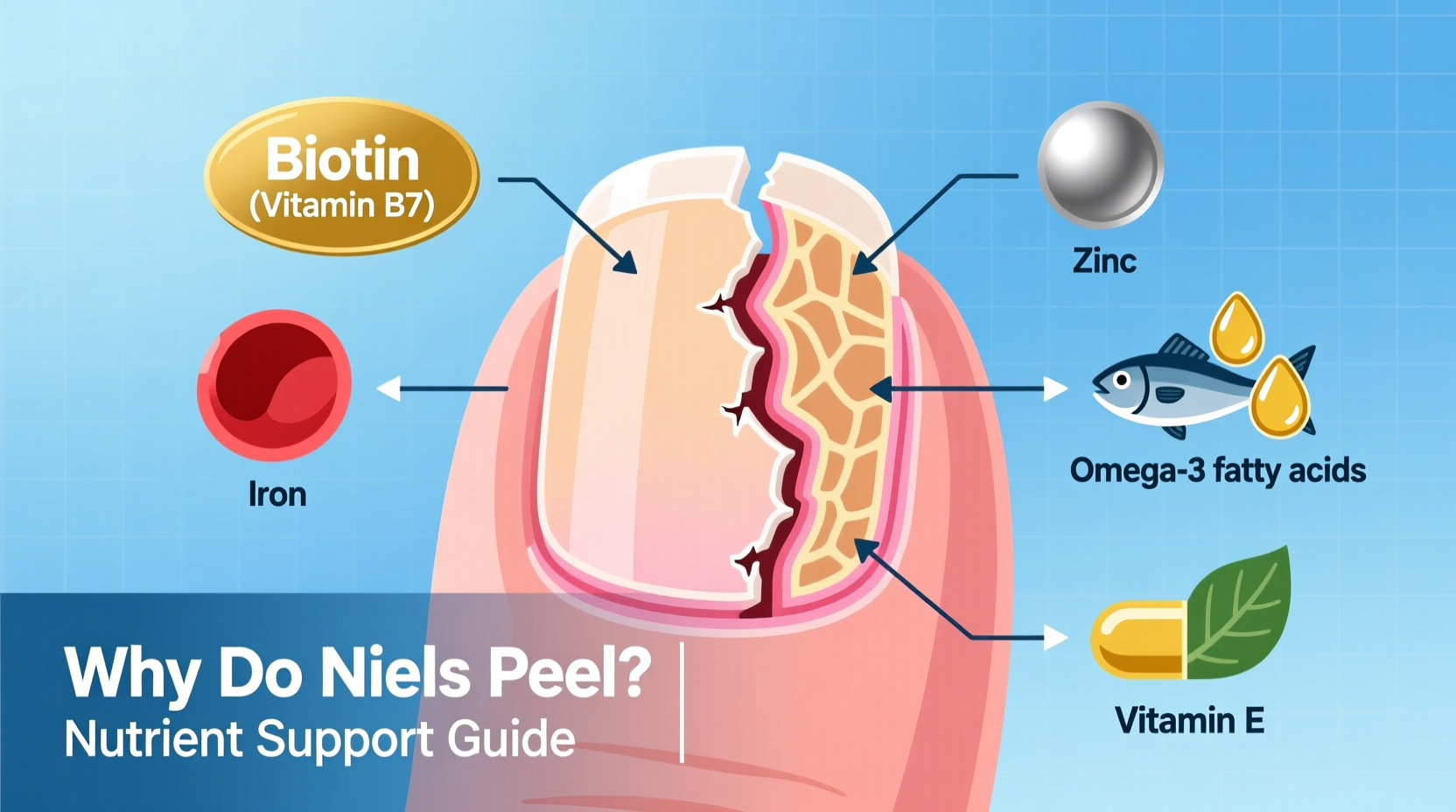
The human nail is composed of multiple thin layers of dead keratinized cells stacked together like shingles on a roof. These layers are bonded by natural lipids and proteins that maintain cohesion and flexibility. When this bond weakens, the layers begin to separate—a condition known as onychoschizia. It most commonly affects the free edge of the fingernails, particularly on the dominant hand, and presents as horizontal splitting or vertical flaking.
Peeling typically starts at the tip and progresses downward. In mild cases, only the surface layer lifts; in more advanced stages, deeper layers delaminate, leaving the nail brittle and prone to snagging. Women are more likely to experience this issue due to frequent exposure to water, detergents, and nail cosmetics. However, men are not immune—especially those with manual occupations involving repeated hand immersion or friction.
“Nail peeling isn’t just about appearance—it’s a window into systemic health. Chronic layer separation often reflects nutritional gaps or metabolic inefficiencies.” — Dr. Lena Torres, Dermatologist & Nail Health Specialist
Common External Causes of Layered Peeling
While internal nutrition plays a foundational role, external aggressors often initiate or worsen nail damage:
- Frequent wet-dry cycles: Regular handwashing, dishwashing, or swimming softens the nail, and repeated drying causes shrinkage and micro-cracking.
- Harsh chemicals: Acetone-based removers, strong soaps, and cleaning agents strip protective oils from the nail plate.
- Over-filing or improper manicuring: Aggressive shaping or using metal tools can lift edges and weaken structure.
- Nail polish and artificial enhancements: Long-term use without breaks dehydrates nails and increases fragility.
- Physical trauma: Typing, nail-biting, or using nails as tools create micro-injuries that compromise layer adhesion.
Internal Factors: How Nutrition Impacts Nail Integrity
Beneath the surface, the body relies on specific micronutrients to produce strong, resilient nails. Deficiencies—even subclinical ones—can disrupt keratin synthesis, impair cell turnover, and reduce the nail’s ability to retain moisture. Unlike topical treatments, which offer temporary reinforcement, correcting nutritional shortfalls addresses the problem at its origin.
The nail matrix requires a steady influx of amino acids, vitamins, and minerals to generate healthy cells. When these are lacking, the resulting nail plate is thinner, less flexible, and more susceptible to peeling. Blood tests can identify severe deficiencies, but many people fall into a “gray zone” of marginal insufficiency that still impacts tissue health.
Key Nutrients for Stronger Nails
Certain nutrients have been consistently linked to improved nail strength and reduced peeling in clinical observations and studies:
- Biotin (Vitamin B7): Perhaps the most well-known nutrient for nail health, biotin supports keratin infrastructure. A 2017 review in Skin Appendage Disorders found that daily supplementation (2.5–5 mg) improved nail thickness and reduced splitting in 63% of participants after 6 months.
- Keratin-Building Proteins: Nails are made of protein, so inadequate dietary protein leads to weak growth. Essential amino acids like cysteine and methionine are critical for disulfide bond formation in keratin.
- Iron: Iron deficiency, especially with or without anemia, is strongly associated with brittle, spoon-shaped (koilonychia), or layered nails. Ferritin levels below 30 ng/mL often correlate with poor nail texture.
- Zinc: This mineral aids cell proliferation and protein synthesis. Deficiency can cause Beau’s lines, white spots, and increased fragility.
- Vitamin C: Necessary for collagen production and iron absorption, vitamin C helps maintain connective tissue support beneath the nail bed.
- Omega-3 Fatty Acids: Found in fatty fish and flaxseeds, they improve nail elasticity and reduce inflammation that may impair growth.
- Vitamin A and E: Both act as antioxidants protecting nail cells from oxidative stress. Vitamin E also enhances moisture retention.
Dietary Sources vs. Supplementation: What Works Best?
While supplements are popular, whole foods should be the foundation of any nutritional strategy. Food-based nutrients come with co-factors that enhance absorption and reduce the risk of imbalance.
| Nutrient | Best Food Sources | Supplement Considerations |
|---|---|---|
| Biotin | Egg yolks, liver, almonds, sweet potatoes, salmon | Effective at 2.5–5 mg/day; avoid raw egg whites (contain avidin, which binds biotin) |
| Iron | Red meat, spinach, lentils, fortified cereals (pair with vitamin C for better absorption) | Only supplement under medical guidance—excess iron is harmful |
| Zinc | Oysters, pumpkin seeds, beef, chickpeas | Limit to 30–40 mg/day; high doses interfere with copper absorption |
| Omega-3s | Fatty fish (salmon, mackerel), chia seeds, walnuts | Fish oil capsules (1,000 mg EPA+DHA daily) if diet is insufficient |
| Vitamin C | Oranges, bell peppers, broccoli, strawberries | 500–1,000 mg/day supports collagen and iron uptake |
Mini Case Study: Recovering Nail Strength Through Diet
Sophie, a 34-year-old graphic designer, struggled with peeling nails for years. Despite using nail hardeners and avoiding gel polish, her nails continued to split after minor tasks like opening packages. Blood work revealed low ferritin (22 ng/mL) and borderline zinc levels. She wasn’t anemic, but her diet was low in red meat and rich in tea—which inhibits iron absorption.
Her dermatologist recommended increasing iron-rich foods (lentils, spinach, lean beef) paired with vitamin C sources (lemon juice, bell peppers). She also added a daily handful of pumpkin seeds and switched to herbal tea. After three months, Sophie noticed her nails were less flaky and grew longer without breaking. A follow-up test showed ferritin had risen to 48 ng/mL, and she reported greater energy as well.
This case illustrates how subtle deficiencies, even without full-blown anemia, can manifest in nail health—and how targeted dietary changes can yield visible results.
Action Plan: Improving Nail Health in 6 Weeks
Improving nail strength takes time—nails grow about 3 mm per month, so changes may take 6–8 weeks to become apparent. Follow this step-by-step guide for measurable improvement:
- Week 1–2: Assess and Adjust Diet
- Track food intake for 3 days to identify gaps in protein, iron, and healthy fats.
- Incorporate one biotin-rich food daily (e.g., eggs, nuts).
- Add a vitamin C source to meals containing plant-based iron.
- Week 3–4: Introduce Targeted Support
- Begin a high-quality biotin supplement (2.5 mg/day).
- Use a moisturizing cuticle oil (with jojoba or vitamin E) twice daily.
- Avoid acetone and limit polish use to allow nails to breathe.
- Week 5–6: Monitor and Refine
- Take photos of your nails weekly to track changes.
- If no improvement, consider a blood panel for iron (ferritin), zinc, and thyroid function.
- Consult a healthcare provider before adding iron or zinc supplements.
Nail Health Checklist
Use this checklist to stay on track:
- ☑ Eat protein at every meal
- ☑ Include biotin-rich foods daily
- ☑ Pair iron-rich plant foods with vitamin C
- ☑ Moisturize nails and cuticles morning and night
- ☑ Wear gloves during wet chores
- ☑ Avoid using nails as tools
- ☑ Take a quality biotin supplement (if needed)
- ☑ Limit exposure to harsh nail products
- ☑ Stay hydrated—dry nails are more prone to peeling
Frequently Asked Questions
Can drinking more water stop my nails from peeling?
While hydration supports overall nail flexibility, drinking water alone won’t fix peeling caused by nutritional deficits or external damage. However, chronic dehydration can make nails brittle. Aim for 2–3 liters of fluids daily and apply topical oils to seal in moisture.
Is it safe to take biotin long-term?
Yes, biotin is water-soluble and generally safe at doses up to 10 mg/day. However, high levels can interfere with certain lab tests (like thyroid and troponin), leading to inaccurate results. Always inform your doctor if you’re taking biotin supplements.
Why do my nails peel only on one hand?
This often points to mechanical stress or chemical exposure on that side. For example, right-handed individuals may use their dominant hand more for tasks involving water, typing, or gripping. Check for asymmetrical habits or occupational exposures.
Final Thoughts and Next Steps
Peeling nails are rarely dangerous, but they are a meaningful indicator of how your body is functioning at a cellular level. While quick fixes like nail hardeners offer surface-level protection, true resilience comes from within—through balanced nutrition, mindful habits, and consistent care. Addressing nutrient gaps, especially in biotin, iron, and protein, can transform fragile nails into strong, durable ones over time.
Start with small, sustainable changes: add an egg to breakfast, carry almonds as a snack, wear gloves while washing dishes. Track your progress, listen to your body, and don’t hesitate to seek medical advice if peeling persists despite lifestyle adjustments. Healthy nails are not just about appearance—they reflect a well-nourished, well-cared-for body.




 浙公网安备
33010002000092号
浙公网安备
33010002000092号 浙B2-20120091-4
Comments
No comments yet. Why don't you start the discussion?