
Bringing greenery into your home should be a rewarding experience. Yet for many new plant parents, it quickly turns into a cycle of yellowing leaves, drooping stems, and premature death. The truth is, most houseplants don’t die because they’re inherently fragile—they die because of preventable care mistakes. Understanding these missteps isn’t about blaming yourself; it’s about empowering you with knowledge. With the right adjustments, even the most well-intentioned but struggling gardener can transform their space into a thriving indoor jungle.
Overwatering: The Silent Killer
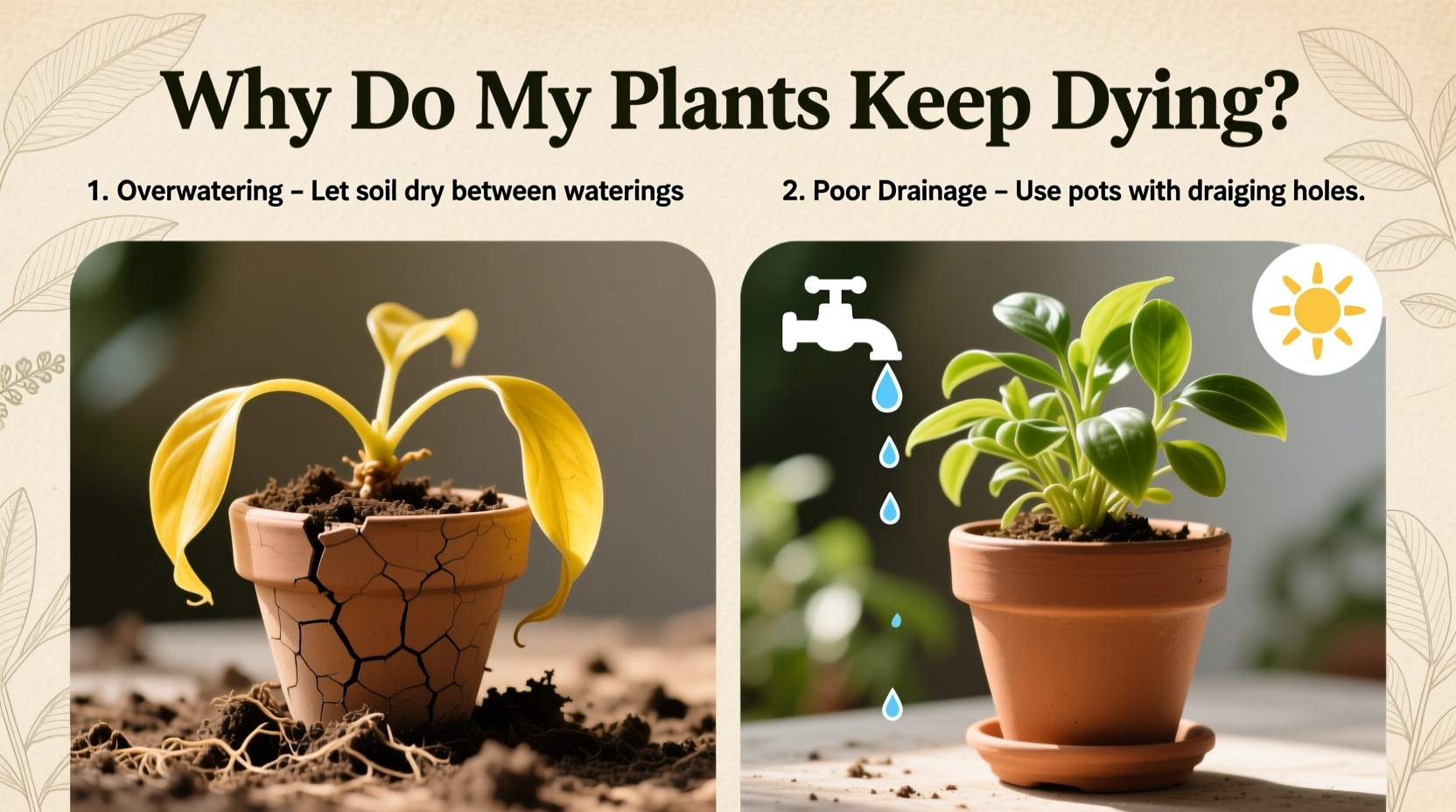
It might surprise you, but overwatering is the number one reason houseplants fail. Many beginners assume that if a plant looks unhealthy, it needs more water. In reality, too much moisture drowns the roots, leading to root rot—a condition that’s often fatal by the time symptoms appear above soil.
Roots need oxygen as much as they need water. When soil stays constantly wet, air pockets collapse, suffocating the root system. Signs include mushy stems, brown leaf edges, and a sour smell from the pot. By then, recovery is difficult.
The solution lies in understanding each plant’s unique needs. Succulents and cacti thrive on neglect, needing water only every 2–3 weeks. Tropicals like pothos or philodendrons prefer slightly moist (not soggy) soil. Always ensure pots have drainage holes, and never let plants sit in standing water.
Light Mismanagement: Too Much or Too Little
Light is the engine of photosynthesis—the process that fuels plant growth. But not all light is equal, and not all plants want the same amount. Placing a low-light fern in direct afternoon sun will scorch its leaves, while a sun-loving fiddle-leaf fig in a dark corner will slowly weaken and drop foliage.
Beginners often misjudge window exposure. A south-facing window offers intense, direct light—ideal for succulents and citrus plants. East and west windows provide moderate to bright indirect light, suitable for most tropicals. North-facing windows give low light, best for snake plants or ZZ plants.
“Plants don’t just need light—they need the right quality, duration, and intensity. Matching species to environment is half the battle.” — Dr. Lena Torres, Botanist & Urban Horticulture Consultant
If natural light is limited, consider using full-spectrum LED grow lights. These can supplement weak sunlight and extend daylight hours during winter months when growth slows due to shorter days.
Choosing the Wrong Soil and Pot
Not all soils are created equal. Garden soil, for example, compacts easily indoors and lacks proper aeration for container plants. Using the wrong mix leads to poor drainage, root stress, and fungal issues.
Similarly, pot selection matters. While ceramic and terracotta allow breathability, plastic retains moisture longer. A large pot may seem generous, but excess soil holds water, increasing the risk of overwatering. As a rule, choose a pot only 1–2 inches larger in diameter than the root ball.
| Plant Type | Recommended Soil Mix | Avoid |
|---|---|---|
| Succulents & Cacti | Cactus/succulent mix + perlite (50/50) | Peat-heavy or moisture-retentive soils |
| Tropical Houseplants | Potting mix with peat, perlite, and bark | Garden soil or clay-based mixes |
| Orchids | Orchid bark mix (fir bark, charcoal, sphagnum moss) | Standard potting soil |
| Ferns & Calatheas | Moisture-retentive mix with coco coir and vermiculite | Dry, sandy soils |
Repotting annually helps refresh nutrients and prevent root binding. However, avoid doing so immediately after bringing a plant home—give it time to adjust to its new environment first.
Ignoring Humidity and Temperature Needs
Many popular houseplants—such as peace lilies, monsteras, and marantas—are native to tropical rainforests where humidity levels exceed 60%. Most homes, especially in winter, hover around 30–40%, which stresses these plants.
Low humidity manifests as brown leaf tips, curling edges, and increased susceptibility to pests like spider mites. Solutions include grouping plants together (they create microclimates), placing trays of water with pebbles beneath pots, or using a humidifier.
Temperature fluctuations also play a role. Cold drafts from windows or HVAC vents can shock tropical plants. Similarly, placing a plant near a radiator or heating vent dries it out rapidly. Aim for stable temperatures between 65°F and 75°F (18°C–24°C) for most indoor varieties.
Common Beginner Mistakes Checklist
Avoiding failure starts with awareness. Use this checklist to audit your current plant care routine:
- ✅ Are you checking soil moisture before watering?
- ✅ Is your plant getting the right type of light for its species?
- ✅ Are pots equipped with drainage holes?
- ✅ Are you using a proper potting mix tailored to the plant type?
- ✅ Have you considered humidity levels in your home?
- ✅ Are you avoiding sudden temperature changes or drafts?
- ✅ Are you cleaning leaves regularly to prevent dust buildup?
- ✅ Are you feeding plants only during active growth (spring/summer)?
Going through this list monthly can help identify subtle issues before they become critical.
Real Example: Reviving a Dying Pothos
Sarah, a first-time plant owner in Chicago, bought a lush golden pothos from a local nursery. Within six weeks, the leaves turned yellow, then brown, and began dropping. She assumed it wasn’t getting enough water and increased her watering schedule to every other day.
After researching, she realized her apartment’s northeast-facing window provided insufficient light, and her frequent watering had led to waterlogged soil. She took action: moved the plant to a brighter spot with indirect light, stopped watering until the top two inches of soil were dry, and repotted it in fresh, well-draining mix. Within three weeks, new growth emerged—vibrant green and climbing steadily.
Sarah’s story highlights a key lesson: symptoms often point to multiple causes. Solving plant problems requires diagnosing both environment and care habits.
Step-by-Step Guide to Rescuing a Struggling Plant
If you notice signs of distress—wilting, discoloration, leaf drop—follow this sequence:
- Assess the soil: Check moisture level. If soggy, stop watering immediately.
- Inspect roots: Gently remove the plant from its pot. Healthy roots are firm and white; rotted ones are black, mushy, and smelly. Trim damaged roots with sterilized scissors.
- Repot if necessary: Use a clean pot with drainage and fresh, appropriate soil. Allow space for airflow.
- Evaluate light: Move the plant to a location matching its light requirements. Use a light meter app if unsure.
- Adjust environment: Increase humidity if needed, and stabilize temperature.
- Wait and observe: Avoid fertilizing stressed plants. Give it 2–4 weeks to recover before making further changes.
This methodical approach prevents panic-driven decisions that could worsen the situation.
Frequently Asked Questions
Why are the leaves on my plant turning yellow?
Yellow leaves can signal overwatering, poor drainage, nutrient deficiency, or aging. Start by checking soil moisture and ensuring proper light. If lower leaves yellow first, it may be natural senescence. If widespread, investigate root health.
Can I save a plant with root rot?
Yes, if caught early. Remove affected roots, repot in dry, sterile mix, and withhold water for several days. Monitor closely. Severe rot with little healthy root remaining has a low survival rate.
How often should I fertilize my houseplants?
Fertilize only during active growing seasons—typically spring and summer—every 4–6 weeks with a balanced, diluted liquid fertilizer. Avoid feeding in fall and winter when growth slows.
Expert Insight: Knowing Your Plant’s Personality
Just like pets, every plant species has its own temperament. Some are resilient and forgiving; others demand precision. Beginners benefit greatly from starting with hardy, low-maintenance varieties.
“The best way to succeed with houseplants is to match your lifestyle with the right species. Don’t start with an orchid if you forget to water for weeks. Begin with a snake plant or ZZ plant—they thrive on neglect.” — Marcus Reed, Indoor Gardening Educator & Author of *Leaf Logic*
Once you’ve built confidence and consistency, you can gradually introduce more sensitive specimens. Patience and observation are more valuable than expensive tools or trendy products.
Conclusion: From Failure to Flourishing
Your plants aren’t dying because you’re incapable—they’re teaching you what they need. Each wilted leaf, each failed stem, is feedback. The journey from constant loss to lush growth begins with understanding the core principles of water, light, soil, and environment.
Start small. Pick one plant. Master its needs. Apply what you learn across your collection. Over time, you’ll develop an intuitive sense of when something’s off—before damage occurs.




 浙公网安备
33010002000092号
浙公网安备
33010002000092号 浙B2-20120091-4
Comments
No comments yet. Why don't you start the discussion?