
Fungus gnats are a persistent nuisance for indoor gardeners. These tiny black flies hover around houseplants, often unnoticed until their numbers grow into an infestation. While they may seem harmless at first—after all, they don’t bite—they signal deeper problems in your plant care routine. Worse, their larvae feed on organic matter in the soil, including delicate root hairs, which can stunt growth or make plants vulnerable to disease.
The real frustration comes when you think you’ve eliminated them, only to see them reappear days later. This cycle happens because most treatments focus only on adult gnats, ignoring the root of the problem: moist soil teeming with larvae. To truly break the cycle, you need to understand why they’re attracted to your plants in the first place—and implement a comprehensive strategy that stops them from breeding.
Why Fungus Gnats Keep Coming Back
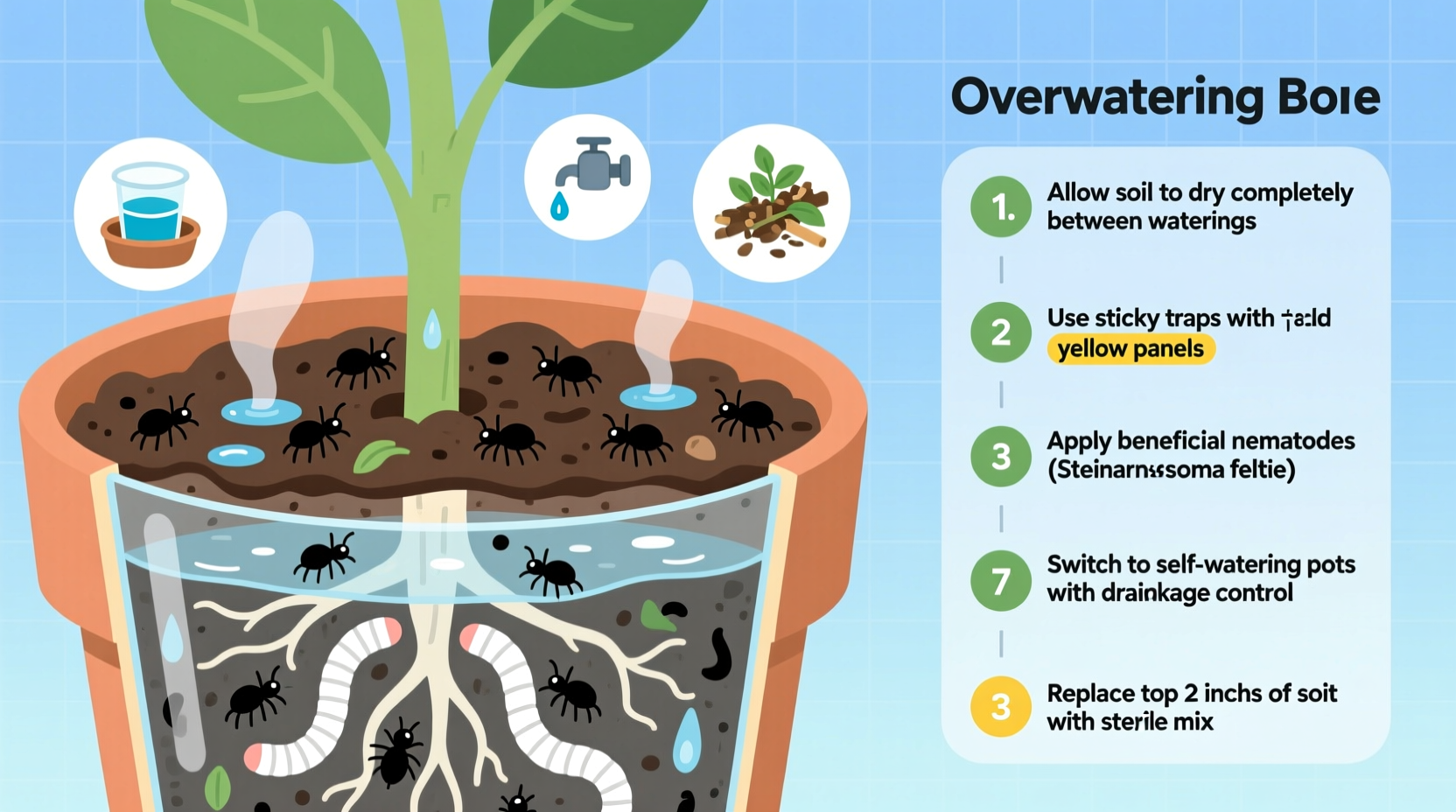
Fungus gnats (Bradysia spp.) thrive in damp, organic-rich environments. Their life cycle spans just 17–28 days under ideal conditions, allowing populations to explode quickly. The reason your plants keep getting reinfested is usually due to one or more recurring environmental factors:
- Overwatering: Soggy soil creates the perfect nursery for gnat eggs and larvae.
- Poor drainage: Pots without drainage holes trap water, promoting fungal growth that larvae feed on.
- Contaminated potting mix: Some bagged soils contain fungi or organic debris that attract gnats even before planting.
- Reintroduction: New plants, open windows, or reused pots can bring in fresh adults.
- Incomplete treatment: Killing adults without targeting larvae means new generations will emerge.
The key to long-term control isn’t just eliminating current pests—it’s removing the conditions they depend on.
Step-by-Step Guide to Eliminate Fungus Gnats for Good
Eradicating fungus gnats requires a multi-pronged approach. Follow this timeline-based plan to break their reproductive cycle and restore healthy growing conditions.
- Day 1: Assess and Isolate
Check all houseplants for signs of gnats. Isolate any infested plants to prevent spread. Gently tap the soil surface—if tiny black flies scatter, you’ve confirmed their presence. - Day 1–3: Stop Overwatering
Adjust your watering schedule. Allow the top layer of soil to dry out thoroughly. Insert your finger up to the second knuckle; if it feels moist, wait another day. Most common houseplants prefer slightly dry soil between waterings. - Day 2: Remove Topsoil and Replace
Using a spoon, carefully remove the top 1–2 inches of soil where eggs and larvae congregate. Dispose of it in sealed plastic. Replace it with a dry, inert topping like sand, perlite, or fine gravel. This creates a dry barrier that discourages egg-laying. - Day 3: Apply a Soil Drench (Larvicide)
Use a solution that targets larvae. Two effective options:- Hydrogen peroxide (3%): Mix 1 part peroxide with 4 parts water. Pour slowly into the soil until saturated. It kills larvae on contact and adds oxygen to the root zone.
- Bacillus thuringiensis var. israelensis (BTI): A natural bacterium sold as Mosquito Bits or liquid dunks. Soak Mosquito Bits in water overnight, then use the tea to water your plants. BTI specifically targets fly larvae without harming plants or beneficial microbes.
- Day 4–7: Trap Adult Gnats
Place yellow sticky traps near the soil surface. Adults are drawn to the color yellow and get stuck upon landing. Monitor trap counts—fewer gnats each day means your treatment is working. - Day 7 and Beyond: Maintain Dry Conditions
Continue letting soil dry between waterings. Avoid misting foliage excessively, and ensure pots aren’t sitting in water. Reapply BTI every 7–10 days for three rounds to catch newly hatched larvae.
This sequence disrupts all stages of the gnat lifecycle. Consistency over 3–4 weeks is essential—most failures occur when people stop treatment too early.
Do’s and Don’ts When Dealing With Fungus Gnats
| Do | Don't |
|---|---|
| Let soil dry between waterings | Water on a fixed schedule regardless of soil moisture |
| Use sticky traps to monitor adults | Rely solely on sprays that only kill flying adults |
| Treat soil with BTI or hydrogen peroxide | Apply chemical insecticides that harm beneficial soil life |
| Repot severely infested plants with fresh, sterile mix | Reuse old soil or pots without sterilizing |
| Inspect new plants before bringing them indoors | Place new plants directly next to existing ones |
Real Example: How Sarah Fixed Her Persistent Gnat Problem
Sarah had a lush collection of pothos, ferns, and peace lilies in her sunroom. Despite using sticky traps and neem oil sprays, fungus gnats kept returning. She assumed the issue was airborne until she noticed her self-watering pots were always full.
After reading about the link between moisture and gnat breeding, she changed her approach. She drained excess water from reservoirs, replaced the topsoil with coarse sand, and began using Mosquito Bits tea monthly. Within three weeks, the gnats disappeared. More importantly, her plants grew more vigorously—likely because better drainage improved root health.
Sarah’s experience shows that even experienced plant owners can overlook simple fixes. The answer wasn’t a stronger pesticide, but a shift in watering habits.
Expert Insight: What Entomologists Say About Fungus Gnat Control
“Fungus gnats are less about pest invasion and more about environmental imbalance. The presence of larvae indicates consistently wet, decaying organic material in the soil. Sustainable control starts with cultural practices—especially moisture management.” — Dr. Laura Hernandez, Urban Entomologist, University of Minnesota Extension
This insight underscores a critical point: fungus gnats are a symptom, not the core problem. Treating them like a random infestation leads to repeated failure. Address the underlying conditions, and you address the cause.
Alternative Treatments and Natural Remedies
While BTI and hydrogen peroxide are the most reliable, several other methods can support your eradication efforts:
- Cinnamon powder: Sprinkle on the soil surface. Its antifungal properties inhibit mold growth that larvae feed on.
- Diatomaceous earth (food-grade): Lightly dust the soil. It dehydrates soft-bodied insects but must be reapplied after watering.
- Neem oil soil drench: Effective against early-stage larvae, though slower than BTI. Mix according to label instructions and water into the soil.
- Predatory mites (Hypoaspis miles): Live beneficial insects introduced into the soil. They feed on gnat larvae and pupae and are safe for plants and pets.
Prevention Checklist: Stop Fungus Gnats Before They Start
Once you’ve eliminated an infestation, use this checklist to prevent recurrence:
- ✅ Water only when the top inch of soil is dry
- ✅ Ensure all pots have drainage holes
- ✅ Empty saucers under pots within 30 minutes of watering
- ✅ Quarantine new plants for at least two weeks
- ✅ Use sterile potting mix when repotting
- ✅ Avoid burying tea bags, coffee grounds, or food scraps in houseplant soil
- ✅ Inspect soil weekly for signs of gnats or mold
- ✅ Store unused potting soil in sealed containers
Prevention is far easier than treatment. A few mindful habits can keep your indoor garden gnat-free indefinitely.
Frequently Asked Questions
Are fungus gnats harmful to my plants?
Adult gnats are mostly a nuisance, but their larvae feed on organic matter in the soil, including young roots and root hairs. In large numbers, they can weaken seedlings or stress sensitive plants like orchids and African violets. Plants with robust root systems usually tolerate low-level infestations, but unchecked populations can lead to stunted growth or secondary infections.
Can I use apple cider vinegar traps for fungus gnats?
Yes, but with caution. A dish of apple cider vinegar with a drop of dish soap can attract and drown adult gnats. However, these traps don’t replace soil treatments and may not reduce populations significantly on their own. They work best as a supplemental tool alongside drying out soil and larvicide applications.
How long does it take to get rid of fungus gnats completely?
With consistent treatment, most infestations can be eliminated within 3–4 weeks. This timeline aligns with the gnat life cycle: killing larvae prevents new adults from emerging. If gnats persist beyond a month, revisit your watering habits or check for hidden sources like nearby compost bins or overwatered outdoor containers brought inside.
Conclusion: Take Control of Your Indoor Garden Environment
Fungus gnats return because the conditions that invite them remain unchanged. You can spray, trap, and vacuum adults endlessly—but unless you modify the moist, organic-rich environment they breed in, the cycle continues. True elimination comes from shifting your focus from symptoms to causes: overwatering, poor drainage, and contaminated soil.
By adopting smarter watering practices, using targeted biological controls like BTI, and maintaining clean potting routines, you create an environment where fungus gnats simply can’t survive. Your plants won’t just be gnat-free—they’ll be healthier, more resilient, and better able to thrive.




 浙公网安备
33010002000092号
浙公网安备
33010002000092号 浙B2-20120091-4
Comments
No comments yet. Why don't you start the discussion?