
Marvel vs. Capcom has long been a cornerstone of the fighting game community, celebrated for its high-octane action, flashy combos, and deep character diversity. With the release of *Marvel vs. Capcom 3: Fate of Two Worlds* (MVC3) and its updated version *Ultimate Marvel vs. Capcom 3*, many assumed older characters from earlier entries like *Marvel vs. Capcom 2* would fade into obscurity. Yet one figure consistently defies that trend: Zero, the cold, calculating antagonist from the *Darkstalkers* and *Mega Man X* universes. Despite MVC3’s expanded roster and modernized mechanics, Zero remains a popular choice among competitive and casual players alike. Why does this character continue to thrive when newer, seemingly more powerful options exist?
The Legacy and Identity of Zero
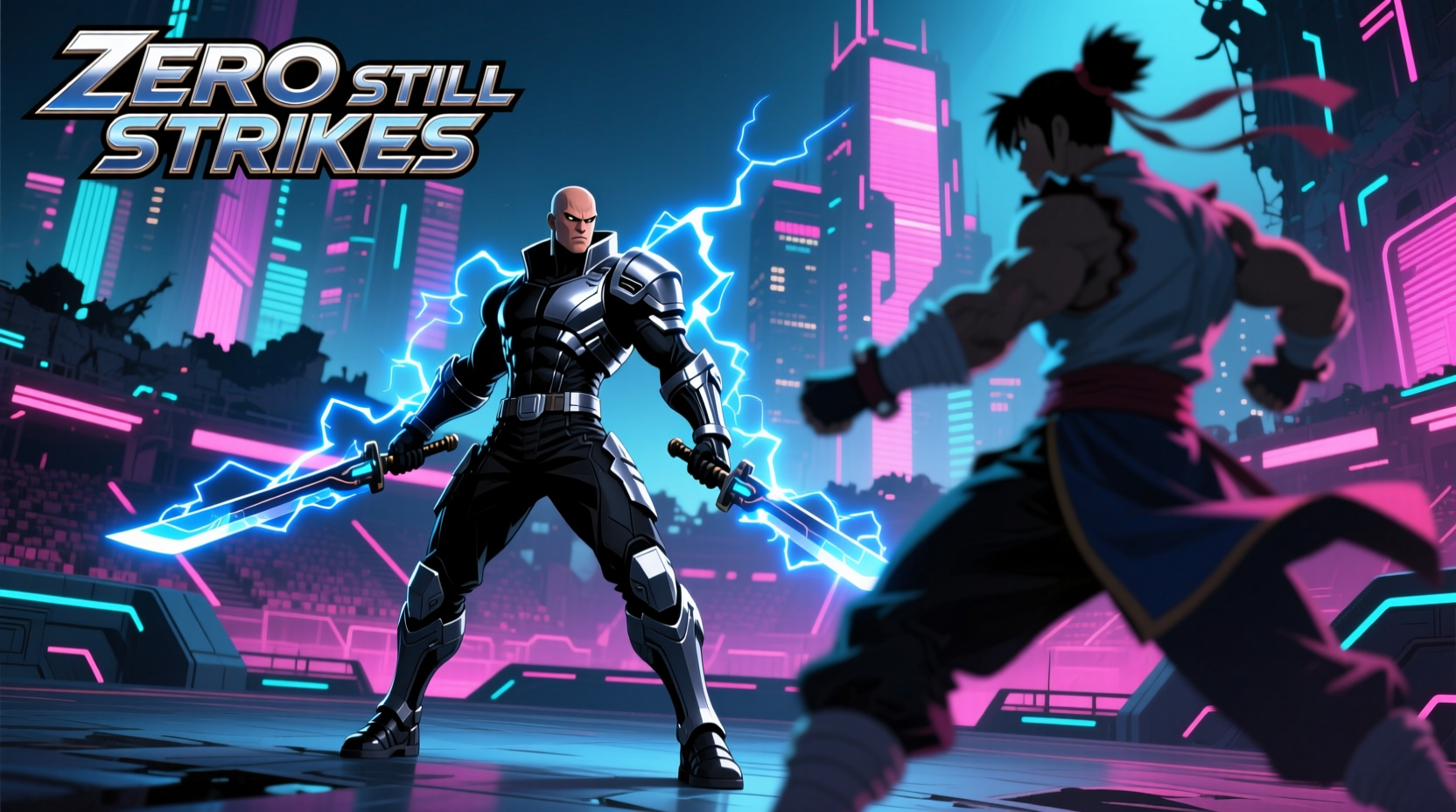
Zero first appeared in *Mega Man X* as a rogue Reploid with unmatched combat prowess. His design—sleek red armor, flowing white scarf, and energy saber—has become iconic across gaming culture. When he was included in *Marvel vs. Capcom 2*, his unique moveset and visual flair immediately set him apart. Unlike many characters who rely on projectiles or assists, Zero plays like a precision-based swordsman, blending speed, range, and devastating close-range pressure.
This identity carried over into fan consciousness. For longtime players, Zero isn’t just another fighter—he represents a specific style of gameplay rooted in discipline, timing, and mastery. As esports commentator and FGC historian Ryan “Filipino Champ” Ramirez once noted:
“Zero is the samurai of the Marvel vs. Capcom universe. He doesn’t win by spamming supers; he wins by out-thinking you.” — Ryan Ramirez, FGC Analyst
That philosophical distinction matters. In a game where team composition often prioritizes assist spammers and infinite starters, Zero offers a counterpoint—a deliberate, almost meditative approach to chaos.
Gameplay Mechanics That Stand the Test of Time
MVC3 introduced significant changes: simplified inputs, universal assists, and cinematic supers. Many characters were rebalanced or redesigned entirely. Yet Zero’s core strengths—his mobility, frame data, and combo structure—remain effective even under MVC3’s faster pace.
His teleport move (↓ ↘ → + S) gives him unparalleled mix-up potential, allowing for cross-ups and resets that keep opponents guessing. His Tornado Blade (→ ↓ ↘ + K) functions as both an anti-air and a combo extender, while his signature Raikousen dash adds aggressive forward momentum without sacrificing safety.
Moreover, Zero’s Level 3 Hyper Combo, *Ryuenjin*, delivers massive damage and screen presence, making it one of the most feared finishers in the game. When timed correctly during a combo, it can erase half a health bar in seconds.
A Comparative Look: Zero vs. Other Top-Tier Characters
| Character | DPS Output | Combo Ease | Defensive Tools | Player Popularity (Est.) |
|---|---|---|---|---|
| Zero | High | Moderate | Teleport, Dash | ★★★★☆ |
| Dante | Very High | Easy | Flight, Teleports | ★★★★★ |
| Storm | Moderate | Hard | Flight, Assists | ★★★☆☆ |
| Wolverine | Medium-High | Easy | Regeneration | ★★★☆☆ |
| Phoenix | Extreme | Moderate | Float, Telekinesis | ★★★★☆ |
While characters like Dante and Phoenix dominate tier lists due to higher raw damage output and easier execution, Zero occupies a niche: he rewards technical mastery. Players who invest time in learning his frame traps, hit confirms, and spacing gain a reliable, consistent performer who excels in mid-to-high-level play.
Cultural Resonance and Competitive Longevity
Zero’s staying power isn’t just about stats—it’s also cultural. In Japan, where *Darkstalkers* and *Mega Man X* maintain strong followings, Zero is a household name. International tournaments often feature Japanese pros wielding Zero with near-flawless precision, reinforcing his reputation as a prestige pick.
A notable example occurred at EVO 2017, where amateur player Kenji “Z-Saber” Tanaka reached top 32 using a Zero/Dormammu/Strider Hiryu team—an unconventional lineup in a meta dominated by Doom and Sentinel spammers. Though he didn’t podium, his run sparked renewed interest in “precision teams,” proving that disciplined swordplay could still compete against hyper-aggressive strategies.
His aesthetic also contributes to his appeal. In a game full of loud colors and exaggerated proportions, Zero cuts a striking figure—silent, focused, and lethal. This visual identity resonates with players seeking a sense of control amid MVC3’s inherent randomness.
Why Not Just Play MVC3’s Newer Characters?
It’s true that MVC3 introduced characters designed specifically for its engine—Dante with his style-switching, Chris with his infinite starters, Spencer with his zoning toolkit. These fighters were built with the new mechanics in mind, giving them natural advantages in synergy and accessibility.
But Zero’s inclusion in MVC3 wasn’t an afterthought. Capcom preserved his core kit while adapting it to the new system. His assists integrate well with point characters like Rocket Raccoon or Vergil, and his ability to convert off single hits into full combos complements MVC3’s emphasis on burst-damage sequences.
Beyond mechanics, there’s emotional investment. Many players grew up mastering Zero in *MvC2*. Switching to a new character means abandoning years of muscle memory and personal attachment. For some, that cost outweighs marginal gains in efficiency.
Actionable Tips for Mastering Zero in MVC3
- Use Tornado Blade sparingly in neutral—save it for combos or punishment.
- Master wavedashing with back+light kick to improve defensive maneuverability.
- Pair Zero with a long-range assist (e.g., Sentinel or Tron Bonne) to cover his lack of projectiles.
- Don’t rush supers—wait for optimal meter usage, especially in early rounds.
- Study frame data: Zero’s standing MP is +2 on block, making it excellent for setting up pressure.
Frequently Asked Questions
Is Zero considered top-tier in Ultimate Marvel vs. Capcom 3?
No, Zero is generally ranked in the upper-mid tier. While not as dominant as Dante or Phoenix, he remains a strong, viable option—especially in the hands of experienced players who can maximize his combo efficiency and pressure tools.
Can Zero compete against assist-heavy teams?
Yes, but it requires smart team building. Pairing Zero with characters like Doctor Strange or Nova, who provide lockdown or mobility assists, helps compensate for his lack of ranged pressure. Proper spacing and punish game are key.
Why do some players prefer Zero over more powerful characters?
For many, it comes down to playstyle preference and personal connection. Zero demands precision and patience, offering a rewarding experience for those who value skill expression over raw damage. There’s pride in winning with a character that doesn’t rely on gimmicks.
Conclusion: Mastery Over Meta
The persistence of Zero in the *Marvel vs. Capcom* series—even in the shadow of MVC3’s evolution—is a testament to enduring design and player loyalty. He may not be the most broken character on paper, but he embodies a philosophy that transcends balance patches and tier lists: mastery through discipline.
In a landscape increasingly driven by accessibility and explosive spectacle, Zero reminds us that depth still matters. His continued presence in tournaments, online lobbies, and training modes proves that players don’t just chase power—they chase meaning, identity, and the satisfaction of perfect execution.




 浙公网安备
33010002000092号
浙公网安备
33010002000092号 浙B2-20120091-4
Comments
No comments yet. Why don't you start the discussion?