
Rainy days divide opinions like few other weather phenomena. For some, the sound of falling rain is a lullaby—a signal to curl up with tea, open a book, and retreat into comfort. For others, the same gray skies bring heaviness, lethargy, and a dip in mood that can last for days. This stark contrast isn’t random. It’s rooted in a complex interplay of biology, psychology, culture, and personal history. Understanding why rain affects people so differently offers insight not just into weather preferences, but into human temperament, emotional regulation, and even mental health.
The Science Behind Weather and Mood
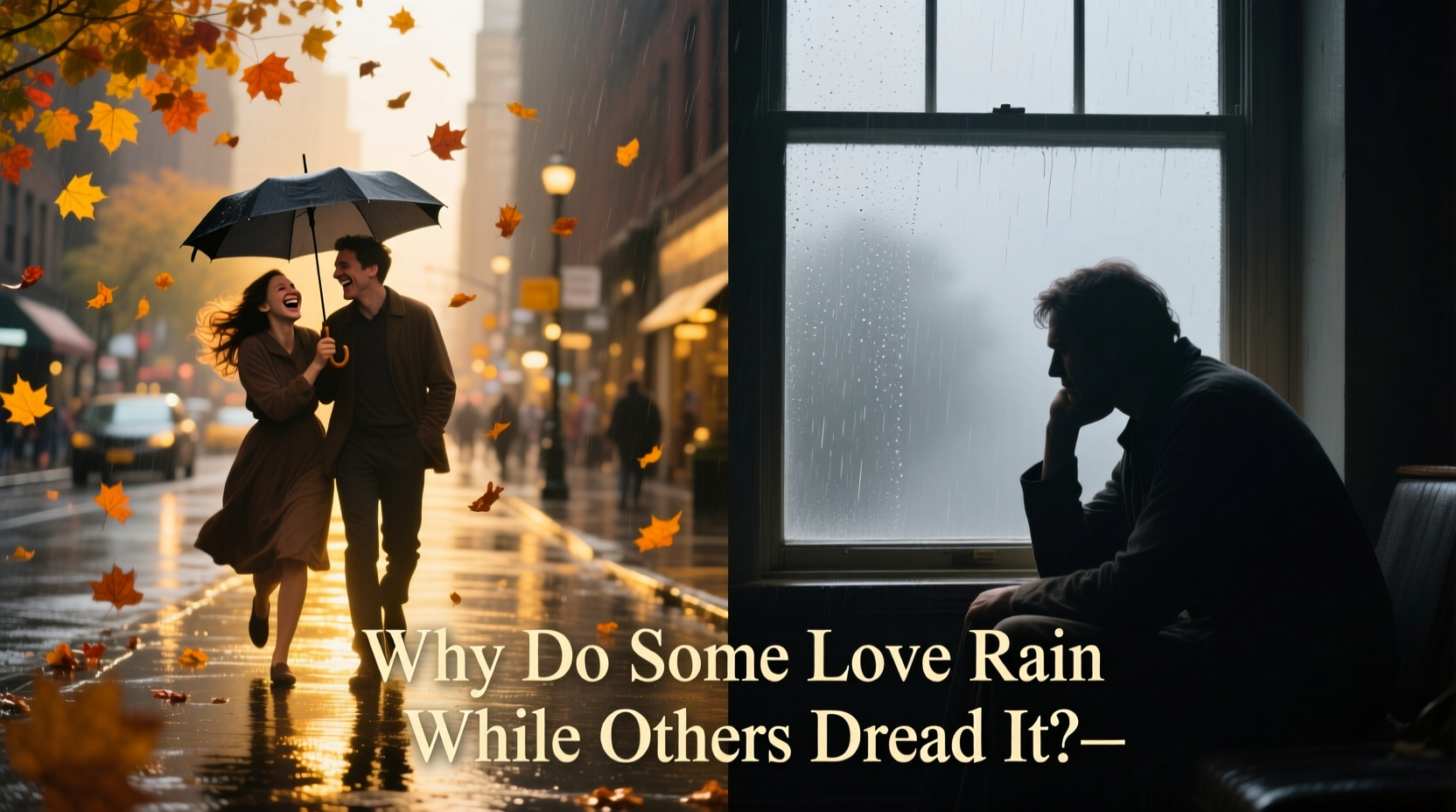
Weather doesn’t just influence what we wear or how we plan our day—it directly impacts brain chemistry. Sunlight, for instance, triggers the release of serotonin, a neurotransmitter linked to feelings of well-being and happiness. On overcast or rainy days, reduced sunlight can lead to lower serotonin levels, which may contribute to low energy and sadness in susceptible individuals.
This biological response helps explain Seasonal Affective Disorder (SAD), a type of depression that typically occurs during darker months. But not everyone reacts this way. Some people experience no drop in mood when it rains—some even report an uplift. Why?
One reason lies in individual differences in circadian rhythm sensitivity. People whose internal clocks are highly attuned to light changes may struggle more on rainy days, while those less sensitive might remain unaffected—or even benefit from the dimmer lighting, which can promote relaxation.
“Light exposure is a primary regulator of our mood and alertness. But perception matters just as much as physiology—how someone interprets the rain shapes their emotional response.” — Dr. Lena Patel, Cognitive Psychologist
Sensory Experience: The Sound, Smell, and Feel of Rain
For many who love rainy days, the appeal is deeply sensory. The rhythmic patter of rain against windows, the earthy scent of petrichor (the smell of rain on dry soil), and the cool, moist air all create a multisensory environment that feels soothing rather than oppressive.
The sound of rainfall, in particular, falls within the category of “pink noise”—a type of ambient sound with equal energy per octave, known to improve sleep quality and concentration. This explains why rain sounds are commonly used in meditation apps and white noise machines. People who find comfort in these auditory patterns often associate rain with peace and introspection.
In contrast, others may perceive the same sounds as monotonous or isolating. The lack of natural light can make indoor spaces feel smaller and more confining, especially for those already prone to anxiety or social withdrawal. The dampness and chill associated with rainy weather can also trigger physical discomfort, particularly for people with joint pain or respiratory conditions.
Psychological and Emotional Associations
Our relationship with rain is often shaped by early life experiences. A child who grew up enjoying quiet afternoons reading under a blanket while rain tapped at the window may carry that positive association into adulthood. Conversely, someone who experienced flooding, travel disruptions, or emotional distress during storms may subconsciously link rain with danger or loss.
Personality traits also play a significant role. Introverts, who recharge through solitude and reflection, may welcome rainy days as permission to stay in, slow down, and engage in low-stimulation activities. Extroverts, who gain energy from social interaction and outdoor activity, may feel frustrated or restless when plans are canceled due to weather.
Additionally, mindfulness and emotional regulation skills influence how people respond. Those who practice acceptance and presence are more likely to appreciate the momentary beauty of a drizzle or the meditative quality of watching clouds roll in. Others may resist the change in routine, leading to irritation or sadness.
Common Emotional Responses to Rain
| Response Type | Description | Typical Triggers |
|---|---|---|
| Comfort & Calm | Feeling relaxed, safe, and reflective | Cozy indoor setting, nostalgic memories |
| Gloom & Fatigue | Low energy, sadness, lack of motivation | Reduced sunlight, disrupted plans |
| Anxiety & Irritability | Worry about safety, frustration with delays | Past trauma, high-pressure schedules |
| Excitement & Wonder | Thrill from storms, fascination with nature | Childlike curiosity, storm chasing interest |
Cultural and Environmental Influences
Where you live shapes how you see rain. In arid regions like parts of California or Australia, rain is often celebrated—it replenishes water supplies, cools extreme heat, and revives landscapes. A downpour there might be met with joy, relief, and even community gatherings.
In contrast, in places with long, wet winters—such as Scotland or the Pacific Northwest—rain can become a source of collective fatigue. While residents may develop resilience or dark humor about constant drizzle, newcomers often struggle with the persistent gray skies. However, even in these climates, a distinct “rain culture” emerges: think of hygge in Scandinavia or the British tradition of afternoon tea during storms, both of which reframe rain as an invitation to coziness rather than a setback.
Urban versus rural settings also matter. In cities, rain can amplify pollution, create traffic congestion, and make commuting unpleasant. Puddles, slippery sidewalks, and crowded subways turn a simple walk into a logistical challenge. In rural or forested areas, rain enhances natural beauty—the glisten on leaves, the mist rising from hills—and supports agriculture and ecosystems.
Mini Case Study: Two Neighbors, Two Perspectives
Consider Maria and James, neighbors in Seattle. When a weeklong rainstorm hits in November, their reactions couldn’t be more different.
Maria, originally from Arizona, greets each morning with a sigh. She misses sunshine, feels sluggish, and resents having to carry umbrellas and boots. Her productivity drops, and she finds herself scrolling endlessly online, wishing the sun would return.
James, born and raised in the Pacific Northwest, brews a pot of coffee, lights a cedar-scented candle, and settles into his favorite armchair with a novel. He appreciates the quiet streets, the way the city slows down, and the lush greenery the rain sustains. To him, it’s not bad weather—it’s atmosphere.
Their contrasting views aren’t about right or wrong—they reflect adaptation, expectation, and emotional framing. With time, Maria begins adopting small rituals—listening to jazz, trying new soups, visiting local cafes—which gradually shift her perspective. She doesn’t start loving rain, but she stops fearing it.
Biological and Neurological Factors
Emerging research suggests that genetic predispositions may influence weather sensitivity. Variants in the 5-HTTLPR gene, which regulates serotonin transport, have been linked to increased emotional reactivity to environmental stimuli—including weather changes. Individuals with certain alleles may be more prone to mood shifts during prolonged rain.
Additionally, melatonin production increases in darker conditions, promoting sleepiness. While this can be beneficial for rest, it may interfere with daytime alertness, especially in people with pre-existing fatigue disorders. Conversely, some individuals experience a calming effect from elevated melatonin, making rainy days ideal for creativity or deep work.
Brainwave patterns also shift in response to atmospheric changes. Studies using EEG monitoring show that alpha waves—associated with relaxed wakefulness—tend to increase during steady rainfall. This neurological state supports daydreaming, introspection, and artistic thinking, which may explain why many writers, artists, and musicians cite rainy days as their most productive.
Checklist: How to Make the Most of Rainy Days (Regardless of Your Preference)
- Adjust lighting: Use warm-toned lamps to counteract dull daylight
- Create a cozy micro-environment: Blankets, soft fabrics, and familiar scents help
- Engage the senses: Play rain sounds, sip herbal tea, light candles
- Reframe the narrative: Instead of “I’m stuck inside,” try “I get to rest today”
- Stay active indoors: Stretching, yoga, or dancing to music can boost endorphins
- Leverage the quiet: Journal, sketch, read, or plan future goals
- Connect meaningfully: Call a friend, write a letter, cook for someone
Frequently Asked Questions
Can you be addicted to rainy days?
While “addiction” isn’t the right term, some people develop strong emotional dependencies on certain weather patterns. This is usually tied to the routines, feelings, or identities associated with rain—such as being a “writer on stormy days” or a “cozy homebody.” These associations can become psychologically reinforcing, making rainy weather feel essential to well-being.
Why do some people feel more creative when it rains?
The combination of reduced distractions, rhythmic background noise, and lowered inhibition due to dim lighting creates an ideal environment for divergent thinking. Additionally, the introspective mood induced by rain encourages self-reflection, a key component of creative insight.
Is it normal to feel anxious during heavy rain?
Yes. Anxiety during intense rain or storms can stem from past trauma (e.g., flooding), fear of power outages, or concerns about safety. It can also be part of weather-related phobias like ombrophobia (fear of rain). Grounding techniques—such as deep breathing, tactile stimulation, or focusing on controllable elements—can help manage these feelings.
Conclusion: Embracing the Spectrum of Rain Responses
Rain is neutral. It carries no inherent emotion. What transforms a downpour into delight or despair is the human mind—its memories, biology, expectations, and coping strategies. Recognizing that both joy and gloom in response to rain are valid allows for greater self-awareness and compassion, both toward oneself and others.
Whether you dance in the puddles or dread the forecast, your reaction is shaped by a unique constellation of factors. The goal isn’t to force yourself to love rain if you don’t, but to understand your response and, where needed, gently reshape your environment and mindset to find balance.




 浙公网安备
33010002000092号
浙公网安备
33010002000092号 浙B2-20120091-4
Comments
No comments yet. Why don't you start the discussion?