
In the digital age, a single frame, line of dialogue, or animation glitch can launch a video game character into meme stardom within hours. Characters like Sans from *Undertale*, GLaDOS from *Portal*, or even the now-infamous “Do a barrel roll” Fox McCloud have transcended their original games to become embedded in internet culture. But what transforms a pixelated persona into a global punchline? It’s not just popularity — it’s a mix of design, timing, emotional resonance, and community participation that turns virtual avatars into viral icons.
Memes are more than jokes; they’re cultural artifacts shaped by shared experiences. When a video game character becomes a meme, it reflects broader social dynamics — humor, irony, nostalgia, and collective identity. Understanding this phenomenon reveals how digital storytelling and user-generated content intersect in unpredictable, powerful ways.
The Anatomy of a Meme-Worthy Character
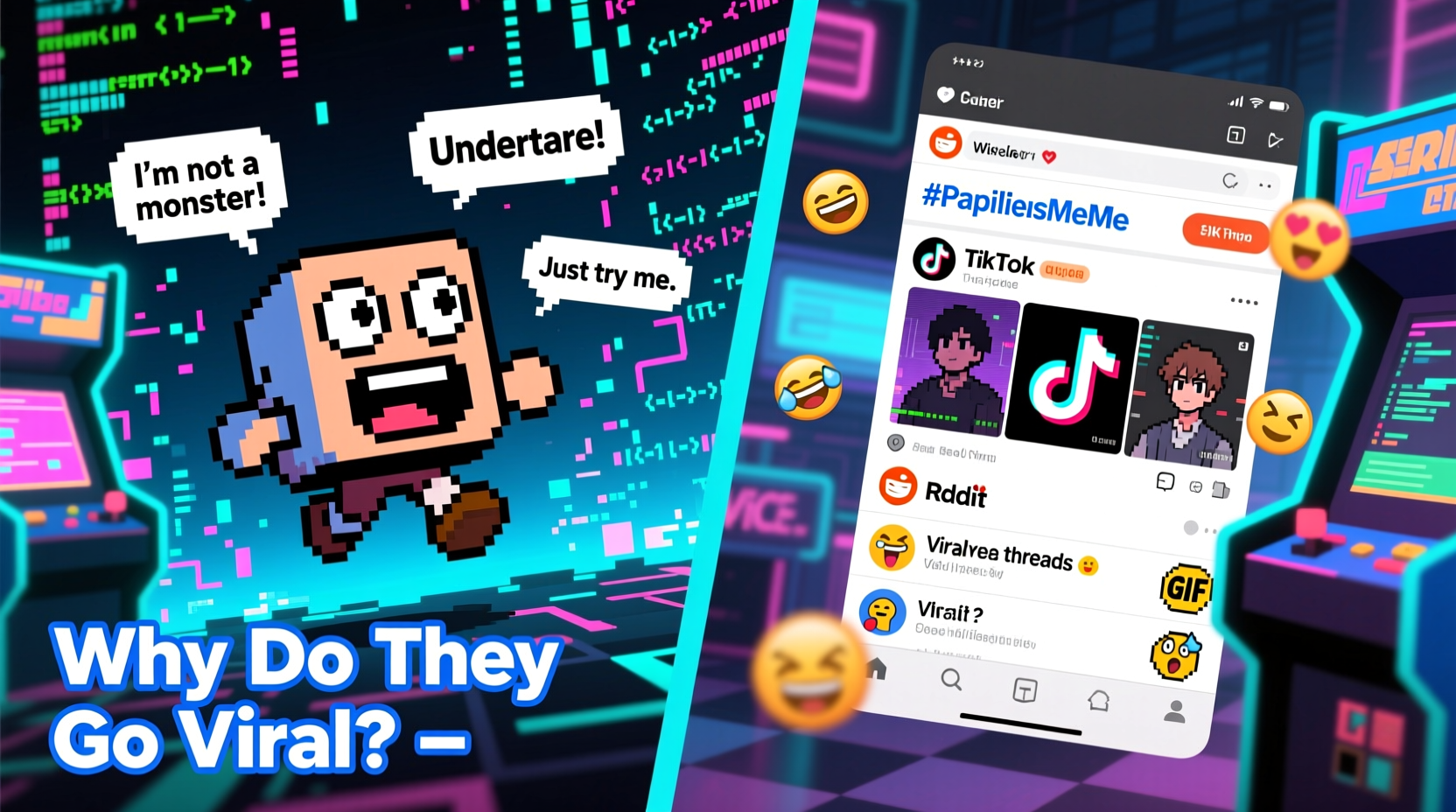
Not every game protagonist becomes a meme. The ones that do often share certain traits that make them ripe for reinterpretation and remixing. These characteristics act as kindling for virality, waiting only for the right spark.
- Distinctive visual design: Characters with exaggerated features — oversized eyes, unusual proportions, or striking color palettes — stand out instantly. Think of Sans’ sunken eye sockets and perpetual grin, or the unsettlingly blank stare of *Resident Evil*’s Mr. X.
- Memorable voice or dialogue: A single repeated line can become legendary. “All your base are belong to us” from *Zero Wing* persists decades later due to its awkward grammar and dramatic delivery.
- Emotional ambiguity: Characters who evoke mixed feelings — fear, sympathy, absurdity — invite reinterpretation. Is Sans funny, tragic, or terrifying? The ambiguity fuels debate and creative expression.
- Repetition within gameplay: Characters that appear frequently or deliver repetitive lines become ingrained in players’ minds, making them easier to recall and parody.
The Role of Timing and Cultural Context
A character might be perfectly designed for meme status, but without the right moment, nothing happens. Virality depends heavily on context — what’s already trending, what emotions dominate online spaces, and which platforms are amplifying content.
For example, during periods of global stress — such as the early months of the pandemic — lighthearted or absurdist memes surged. Characters like Peely, the banana suit from *Fortnite*, gained traction not because of deep narrative significance, but because they offered harmless, surreal relief.
Social media algorithms also play a role. Platforms like TikTok and Twitter reward novelty and engagement. A meme that elicits laughter, confusion, or shock is more likely to be shared, liked, and remixed. Once a critical mass is reached, the character enters a feedback loop: more exposure leads to more variations, which leads to even greater visibility.
“Memes are the folklore of the digital era. They spread because they speak to something immediate in the collective mood.” — Dr. Lena Torres, Digital Culture Researcher at MIT
Case Study: How Sans Became a Legend
No modern example illustrates meme ascension better than Sans from *Undertale*, an indie RPG released in 2015. Within weeks of launch, Sans wasn’t just a fan favorite — he was everywhere.
His appeal began with his design: a skeleton in a blue hoodie, one eye glowing, delivering dry jokes with unnerving calm. But the real catalyst was his role in the game’s \"Genocide Route,\" where players eliminate every enemy. In this path, Sans becomes the final boss — not through brute strength, but psychological warfare. His attacks reference player actions, breaking the fourth wall with lines like “You don’t want to hang out, huh?”
This blend of humor, horror, and meta-commentary struck a nerve. Players began creating memes showing Sans in unrelated scenarios: grading homework, surviving apocalypses, or simply saying “bonjour” with deadpan delivery. The meme evolved beyond the game, appearing in reaction images, animated shorts, and even academic discussions about morality in gaming.
What made Sans endure was not just initial virality, but adaptability. He could be funny, menacing, or melancholic depending on context — a blank canvas for internet creativity.
From Glitch to Glory: The Power of Imperfection
Sometimes, it’s not polished design but technical flaws that spark a meme. Animation glitches, awkward voice acting, or bizarre physics can transform a forgettable NPC into a legend.
Taking a step back, consider *Skyrim*’s infamous giant chicken — a creature meant to be background decoration, but whose erratic sprinting and screeching turned it into a symbol of chaos. Or *Fallout 3*’s Mister Handies, originally designed as helpful robots, whose cheerful voices contrasted with their violent behavior, creating unintentional dark comedy.
These imperfections resonate because they feel human. They remind users that games are made by people, prone to errors and quirks. And rather than hiding these flaws, the internet celebrates them — turning bugs into badges of honor.
| Character | Game | Reason for Meme Status | Lifespan as Meme |
|---|---|---|---|
| Sans | Undertale | Deadpan humor + meta-narrative role | Ongoing (9+ years) |
| GLaDOS | Portal | Sarcastic AI with cult following | Ongoing (17+ years) |
| Felix the Cat (NPC) | Red Dead Redemption 2 | Glitched cat model causing panic | Peaked in 2018, occasional revivals |
| Yooka-Laylee | Yooka-Laylee | Nostalgia backlash + uncanny valley | Short-lived (2017–2019) |
| Waluigi | Multiple Mario titles | Underdog status + chaotic energy | Resurgent (2020–present) |
How Communities Fuel Meme Longevity
A meme doesn’t survive on a single post. It requires cultivation — a community that remixes, reinterprets, and reinvents the character across formats.
Subreddits, Discord servers, and TikTok duets act as incubators. Artists create fan art, animators produce skits, musicians write songs. Each iteration adds layers to the character’s meaning. Waluigi, once a minor antagonist in tennis spin-offs, became a symbol of rebellion and misunderstood masculinity through relentless online reinterpretation.
This participatory culture lowers barriers to entry. Anyone with basic editing tools can contribute. A teenager can make a five-second edit of Master Chief saying “I’m in danger” over a school announcement, and if it resonates, it spreads.
The process mirrors oral storytelling traditions — each retelling changes details, emphasizes different themes, and adapts to new audiences. Over time, the original context fades, and the meme takes on a life of its own.
Checklist: Could Your Favorite Character Go Viral?
Use this checklist to assess whether a video game character has meme potential:
- ✅ Does the character have a unique or exaggerated visual trait?
- ✅ Is there a memorable line of dialogue or catchphrase?
- ✅ Can the character be easily edited into other contexts (e.g., reaction images)?
- ✅ Does the character evoke strong or conflicting emotions?
- ✅ Has the character appeared in a surprising or ironic situation in-game?
- ✅ Is the game itself popular or culturally relevant?
- ✅ Are fans already creating derivative content?
The Dark Side of Meme Fame
Not all meme attention is positive. Some characters become associated with toxic communities or used in offensive contexts. For instance, certain *Overwatch* characters were co-opted by hate groups using their imagery to disguise extremist messaging. This forces developers to respond — sometimes altering designs or removing content.
Additionally, creators may lose control over their work. Toby Fox, creator of *Undertale*, never intended Sans to become a meme juggernaut. While he appreciates the fandom, he’s expressed concern about how far the character has strayed from his original narrative purpose.
Meme culture can also shorten attention spans. A character might peak quickly and vanish just as fast, overshadowing deeper aspects of the game. When everyone is quoting “It’s a me, Mario,” fewer discuss level design or narrative structure.
Step-by-Step: How a Character Becomes a Meme (Timeline)
- Release: Game launches; players encounter the character during normal gameplay.
- Discovery: A small group notices something unusual — a glitch, a funny line, or expressive animation.
- Initial Sharing: Screenshots or clips are posted on Reddit, Twitter, or TikTok with humorous captions.
- Viral Spark: One post gains unexpected traction, reaching thousands through shares and algorithm boosts.
- Remix Phase: Users begin editing the character into unrelated scenarios — movies, news events, everyday situations.
- Cultural Embedding: The character appears in non-gaming spaces — merchandise, political commentary, educational content.
- Peak & Evolution: Meme reaches saturation but evolves into subgenres (e.g., “Sad Sans” vs. “Cool Sans”).
- Legacy: Even if daily usage declines, the character remains a reference point in internet history.
FAQ
Can developers intentionally create meme-worthy characters?
Some try — adding quirky dialogue or exaggerated animations — but intentional memes rarely succeed unless they feel authentic. Organic moments, like a surprise glitch or emotional twist, tend to resonate more deeply than engineered jokes.
Why do some memes last longer than others?
Longevity depends on flexibility. Characters that can be adapted to multiple tones — funny, sad, heroic — survive longer. They also benefit from active fan communities that keep producing new content.
Are memes good or bad for video games?
Mostly beneficial. Memes generate free publicity and deepen player engagement. However, if memes distort the game’s message or attract harassment, developers may need to intervene.
Conclusion: The Unpredictable Alchemy of Digital Culture
The rise of a video game character to meme status isn’t random — but it’s not entirely predictable either. It’s an alchemy of design, emotion, timing, and community action. Behind every overnight sensation is a network of users who saw something relatable, absurd, or strangely profound in a digital puppet.
These memes do more than entertain. They create shared languages, build communities, and preserve cultural moments. Whether it’s a skeleton in a hoodie or a malfunctioning robot, the characters that become memes reflect what we find meaningful — or ridiculous — in our digital lives.




 浙公网安备
33010002000092号
浙公网安备
33010002000092号 浙B2-20120091-4
Comments
No comments yet. Why don't you start the discussion?