
Dry shampoo has become a staple in many hair care routines—offering a quick fix for greasy roots between washes, saving time on busy mornings, or preserving the integrity of color-treated or textured styles. But for a growing number of users, this convenience comes at a cost: persistent scalp itchiness, flaking, and even inflammation. If you've ever sprayed your roots only to feel an immediate urge to scratch, you're not alone. The truth is, dry shampoo isn't inherently harmful, but misuse or sensitivity to its ingredients can lead to uncomfortable side effects. Understanding the root causes—and learning how to use dry shampoo properly—can help you enjoy its benefits without compromising scalp health.
Why Dry Shampoo Causes Scalp Itchiness
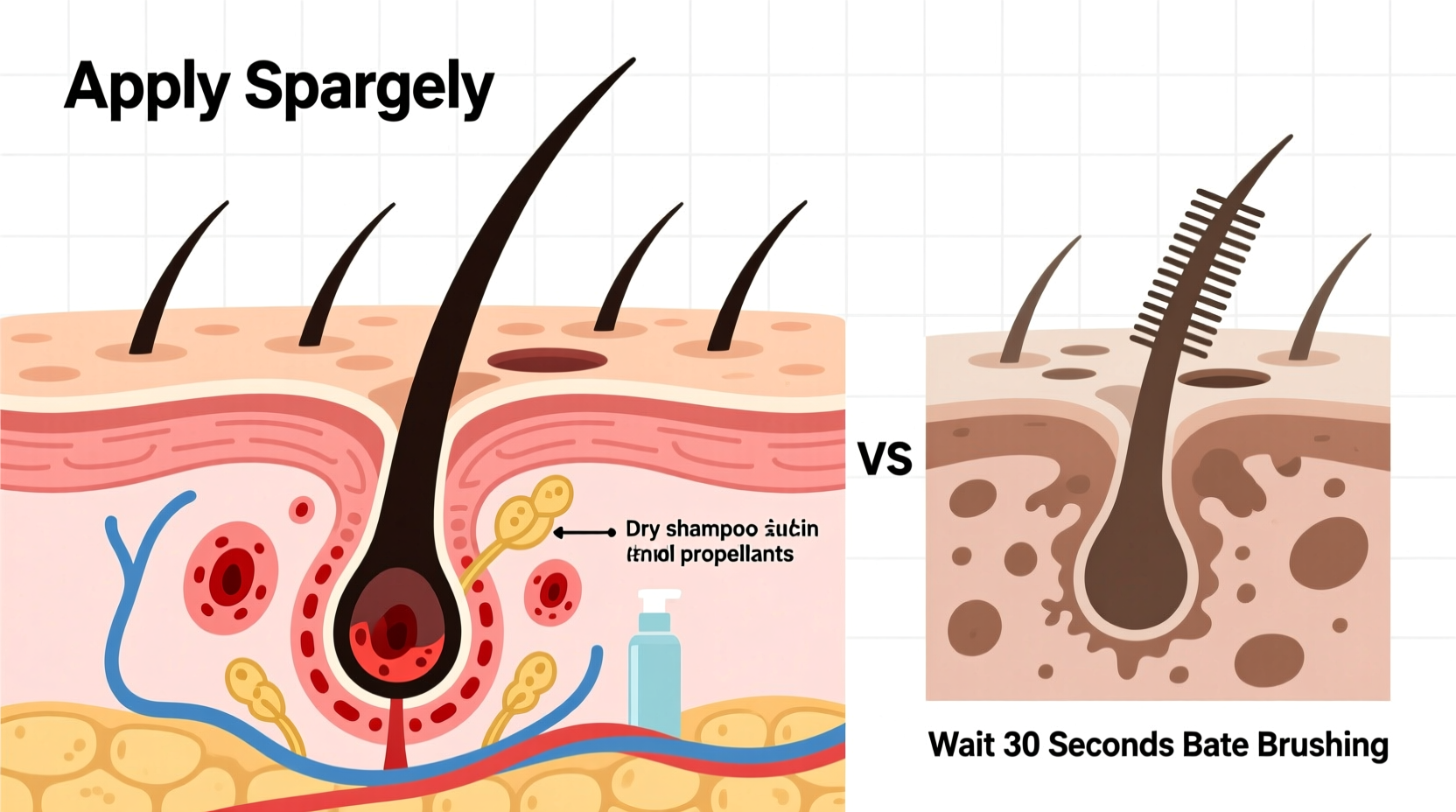
The primary function of dry shampoo is to absorb excess oil from the scalp and hair using powdery substances like starch, silica, or alcohol-based propellants. While effective at refreshing hair, these ingredients don’t rinse away like traditional shampoo. Instead, they linger on the scalp, often accumulating over time. This buildup creates a hostile environment for healthy skin, leading to several common issues:
- Occlusion of hair follicles: Ingredients such as talc, rice starch, or polymers can clog pores around hair follicles, trapping sebum and dead skin cells. This leads to irritation and sometimes folliculitis—an inflamed condition resembling acne on the scalp.
- Disruption of the scalp microbiome: The scalp hosts a delicate balance of bacteria and fungi essential for maintaining moisture and preventing infection. Alcohol-heavy formulas in dry shampoos can strip natural oils and alter pH levels, promoting overgrowth of irritant-causing microbes like Malassezia.
- Allergic reactions or sensitivities: Fragrances, preservatives (like parabens), and propellants (such as butane or propane) are frequent culprits behind contact dermatitis. These synthetic compounds may trigger redness, itching, and flaking, especially in individuals with sensitive skin.
- Dehydration: Alcohol denat (denatured alcohol), commonly found in aerosol sprays, evaporates quickly but also draws moisture from the scalp, leaving it dry and prone to irritation.
Overuse amplifies these problems. Applying dry shampoo daily without thorough cleansing allows residue to build up, forming a layer that blocks oxygen flow and weakens hair roots. In severe cases, chronic use has been linked to increased dandruff, thinning hair, and even temporary hair loss due to traction from constant scratching.
Common Ingredients That Trigger Irritation
Not all dry shampoos are created equal. Many mass-market brands prioritize performance and scent over scalp compatibility. Below are some of the most problematic ingredients known to cause itching and discomfort:
| Ingredient | Purpose | Potential Side Effect |
|---|---|---|
| Alcohol Denat | Quick-drying solvent | Strips natural oils, causes dryness and itching |
| Butane/Propane/Isobutane | Propellants in aerosols | Irritate sensitive skin; contribute to respiratory concerns if inhaled |
| Fragrance (Parfum) | Scent enhancement | Common allergen; can cause contact dermatitis |
| Talc | Oil absorption | Clogs pores; potential carcinogen if contaminated with asbestos |
| Benzalkonium Chloride | Preservative | Can induce allergic reactions and stinging sensations |
Opting for formulas labeled “fragrance-free,” “non-aerosol,” or “scalp-safe” significantly reduces risk. Look for plant-based alternatives such as oat flour, cornstarch, or kaolin clay, which absorb oil gently without aggressive drying.
“Many patients come in complaining of unexplained scalp itchiness, only to discover their dry shampoo is the culprit. Chronic buildup alters the scalp’s ecosystem just like poor facial skincare disrupts the skin barrier.” — Dr. Lena Patel, Board-Certified Dermatologist
How to Use Dry Shampoo Safely: A Step-by-Step Guide
Dry shampoo doesn’t have to be damaging when used correctly. Following a mindful routine minimizes irritation while maximizing freshness. Here’s how to apply it safely:
- Shake the can well (if aerosol): Ensures even distribution of active ingredients and prevents clogging.
- Section your hair: Part hair into 2–3 sections to expose the scalp directly. Spraying onto matted layers won’t reach the roots effectively.
- Hold 6–8 inches away: Spray lightly at the roots, focusing on oily areas like the crown, temples, and nape. Avoid saturating one spot—less is more.
- Wait 30 seconds: Allow the product to absorb oil before massaging. Rushing this step reduces effectiveness.
- Massage thoroughly: Use fingertips (not nails) to work the formula into the scalp. This helps distribute powder and stimulate circulation.
- Brush out completely: Use a boar bristle brush to remove excess residue and restore volume. Leftover powder contributes to buildup.
- Launder regularly: Wash your hair every 2–3 days minimum, even if using dry shampoo. Never go more than four consecutive days without a full cleanse.
For non-aerosol options (powders or sprays), dispense a small amount onto hands or applicator and tap gently into the roots. These tend to leave less residue and avoid inhalation risks associated with propellants.
When to Stop Using Dry Shampoo: Warning Signs
Your scalp communicates distress through visible and tactile cues. Pay attention to these red flags indicating it's time to discontinue use:
- Consistent itching within minutes of application
- Visible white or gray flakes that resemble dandruff
- Red, raised bumps along the hairline or crown
- Hair feeling heavier, duller, or greasier faster than usual
- Unpleasant odor despite regular use
If symptoms persist beyond a week after stopping dry shampoo, consult a dermatologist. Persistent irritation could signal underlying conditions like seborrheic dermatitis, psoriasis, or fungal infections exacerbated by product buildup.
Mini Case Study: Recovering from Chronic Buildup
Sophie, a 32-year-old graphic designer, relied on dry shampoo five days a week to maintain her balayage highlights and save time during long workdays. After six months, she noticed increasing scalp tightness, followed by intense itching and flaking. Over-the-counter dandruff shampoos offered no relief. Upon visiting a trichologist, she learned her scalp was coated in compacted product residue, blocking follicles and disrupting natural exfoliation. She discontinued dry shampoo entirely and began using a clarifying charcoal shampoo twice weekly. Within three weeks, her symptoms subsided. Today, Sophie uses dry shampoo only once every five days and always follows with a thorough wash within 48 hours.
Best Practices and Alternatives
To maintain scalp health while enjoying the convenience of dry shampoo, consider integrating these strategies:
Do’s and Don’ts of Dry Shampoo Use
| Do | Don’t |
|---|---|
| Use no more than 2–3 times per week | Apply daily without washing |
| Choose fragrance-free, low-alcohol formulas | Use heavily scented or aerosol versions if sensitive |
| Wash hair every 2–3 days | Go longer than 4 days without a cleanse |
| Brush hair thoroughly post-application | Leave residue sitting overnight without brushing |
| Try natural alternatives like arrowroot powder | DIY recipes with essential oils unless patch-tested |
Natural substitutes offer gentler solutions. For example, a mix of arrowroot powder and cocoa (for dark hair) can be applied with a makeup brush and brushed out after 15–20 minutes. These lack propellants and synthetic fragrances, reducing allergy risks.
Checklist: Safe Dry Shampoo Routine
- ☑ Patch test new products behind the ear before full use
- ☑ Limit usage to 2–3 times per week maximum
- ☑ Always brush out residue after application
- ☑ Wash hair with clarifying shampoo at least once weekly
- ☑ Monitor scalp for signs of irritation or flaking
- ☑ Replace old cans older than 12 months (preservatives degrade)
Frequently Asked Questions
Can dry shampoo cause permanent damage to my scalp?
While occasional use is generally safe, prolonged and excessive application without proper cleansing can lead to chronic inflammation, follicle damage, and even temporary hair thinning. However, most effects are reversible with improved hygiene and reduced product use.
Is there a difference between aerosol and non-aerosol dry shampoos?
Yes. Aerosols often contain higher concentrations of alcohol and propellants, increasing the risk of dryness and irritation. Non-aerosol versions (spray pumps or powders) typically have fewer volatile chemicals and allow better control over dosage, making them safer for sensitive scalps.
How do I remove dry shampoo buildup effectively?
Use a clarifying or chelating shampoo once a week. Massage into wet scalp for 2–3 minutes to dissolve residue. Follow with a lightweight conditioner focused on the ends. For stubborn buildup, pre-treat with a few drops of jojoba oil before washing to loosen particles.
Conclusion: Balance Convenience with Care
Dry shampoo remains a valuable tool in modern hair care—but only when used responsibly. Recognizing that it complements, rather than replaces, regular washing is key to avoiding scalp complications. By choosing cleaner formulas, limiting frequency, and prioritizing scalp hygiene, you can enjoy fresh, voluminous hair without sacrificing comfort or long-term health. Listen to your body’s signals, respond promptly to irritation, and treat your scalp with the same care you give your face. Small adjustments today can prevent significant issues tomorrow.




 浙公网安备
33010002000092号
浙公网安备
33010002000092号 浙B2-20120091-4
Comments
No comments yet. Why don't you start the discussion?