
Air purifiers are designed to improve indoor air quality, removing allergens, dust, smoke, and odors. But what happens when your air purifier starts emitting a strange or unpleasant smell? Rather than freshening the air, it may begin to circulate musty, sour, or chemical-like odors—defeating its very purpose. This issue is more common than many realize, and in most cases, it’s preventable with proper maintenance.
Understanding the root causes of odd smells and mastering correct filter cleaning techniques can restore your unit’s efficiency and ensure your home stays healthy and odor-free. From microbial growth to outdated filters, several factors contribute to this problem. More importantly, knowing how to respond—not just reactively but proactively—can extend the life of your device and safeguard your respiratory health.
Common Causes of Weird Smells from Air Purifiers
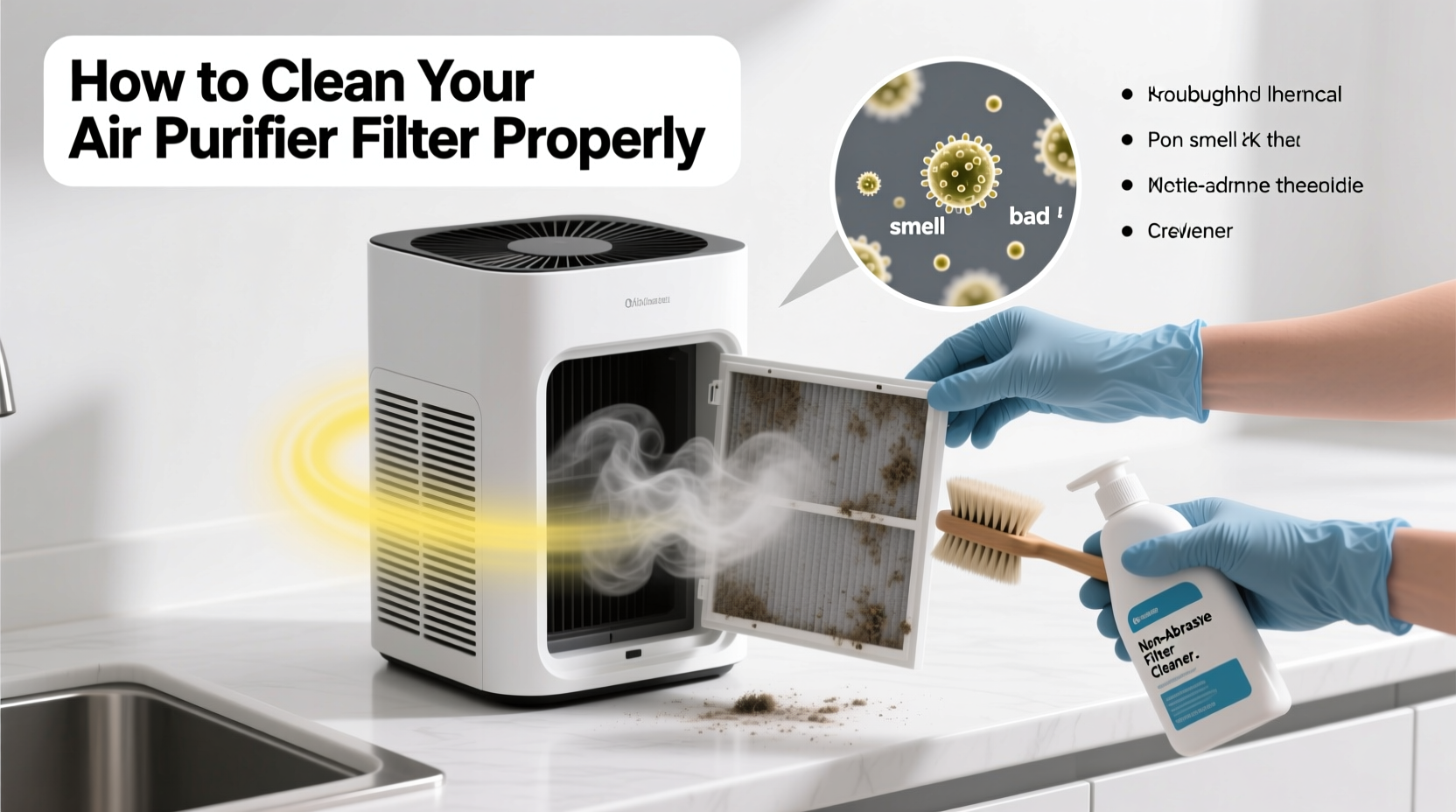
An unexpected odor from your air purifier doesn’t always mean the unit is defective. In fact, most issues stem from neglect, environmental conditions, or improper usage. Identifying the source is the first step toward resolution.
- Mold and mildew buildup: If the filter or internal components remain damp after cleaning or operate in high-humidity environments, mold can grow inside the unit, producing a musty, earthy smell.
- Saturated carbon filter: Many air purifiers include activated carbon filters to absorb odors and VOCs (volatile organic compounds). Once saturated, these filters can release trapped pollutants back into the air, sometimes causing a stale or chemical-like scent.
- Dust accumulation: Over time, dust collects on pre-filters and internal parts. When the fan runs, heated dust particles can emit a burnt or \"dirty sock\" odor.
- Outgassing from new units: Some brand-new air purifiers emit a plastic or ozone-like smell during initial use due to residual manufacturing materials. This usually dissipates within a few hours.
- Dirty or expired HEPA filter: A clogged HEPA filter restricts airflow and traps organic matter like pet dander, skin cells, and pollen. These can decompose over time, especially in warm conditions, leading to foul odors.
- Ionizer or ozone emission: Units with ionizing functions may produce a metallic or sharp “electric” smell. While some models are certified ozone-free, others emit low levels that sensitive individuals can detect.
How to Clean Your Air Purifier Filter Properly
Regular cleaning is essential for maintaining performance and preventing odors. However, not all filters are cleaned the same way. The method depends on the type of filter your model uses. Below is a comprehensive guide tailored to different filter types.
Step-by-Step Guide to Cleaning Different Filters
- Turn off and unplug the unit. Safety first—never attempt to open or clean a plugged-in air purifier.
- Refer to the user manual. Locate the filter access panel and identify the types of filters installed (e.g., pre-filter, HEPA, carbon).
- Remove each filter carefully. Handle them gently to avoid damaging delicate media, especially HEPA filters.
- Clean the pre-filter (if washable):
- Rinse under lukewarm water to remove dust and debris.
- Use a soft brush or cloth to dislodge stubborn particles.
- Avoid using soap or detergents unless specified by the manufacturer.
- Let it air-dry completely—this may take 24 hours—before reinstalling.
- Wipe down the interior housing. Use a dry or slightly damp microfiber cloth to clean the chamber where the filter sits. Avoid moisture near electrical components.
- Replace non-washable filters as needed. HEPA and activated carbon filters are typically not washable. Replace them according to the manufacturer’s schedule (usually every 6–12 months).
- Reassemble and restart. Ensure all filters are fully dry and correctly seated before powering the unit back on.
“Improper drying after cleaning is one of the top reasons for recurring musty smells. Moisture left in the filter creates a breeding ground for mold.” — Dr. Lena Park, Indoor Air Quality Specialist
Do’s and Don’ts of Air Purifier Maintenance
| Do’s | Don’ts |
|---|---|
| Clean pre-filters monthly in homes with pets or high dust levels. | Never wash a HEPA filter unless explicitly labeled as washable. |
| Run the purifier in well-ventilated areas to reduce humidity buildup. | Don’t expose filters to direct sunlight or heat sources during drying. |
| Replace carbon filters every 3–6 months if used for odor control. | Don’t use harsh chemicals or abrasive scrubbers on any filter. |
| Vacuum the exterior vents weekly to prevent dust blockage. | Don’t reinstall damp filters—this promotes microbial growth. |
| Track filter replacement dates using a calendar or app. | Don’t ignore persistent odors—investigate immediately. |
Real Example: How One Homeowner Fixed a Musty Smell
Sarah, a homeowner in Florida, noticed her bedroom air purifier began emitting a damp, basement-like odor after three months of continuous use. Initially, she assumed it was part of normal operation. But when the smell intensified and triggered mild allergy symptoms, she decided to investigate.
She unplugged the unit and removed the filters. The pre-filter was visibly dusty, but the real culprit was the carbon filter, which had darkened significantly and felt slightly moist. After reading the manual, she realized the carbon filter was not washable and should have been replaced after six months. Additionally, the humid climate in her region accelerated filter saturation.
Sarah replaced the carbon filter, rinsed and dried the pre-filter thoroughly, and wiped down the internal compartment. Within two hours of restarting the unit, the odor disappeared. She now marks her calendar every six months for filter checks and keeps a spare carbon filter on hand.
When to Replace vs. Clean Filters
Not all filters can be cleaned—and attempting to do so may damage them. Knowing which filters are reusable and which require replacement is crucial.
- Pre-filters: Usually washable. Designed to capture large particles like hair and lint. Clean every 2–4 weeks.
- HEPA filters: Most are not washable. They trap microscopic allergens and cannot be effectively cleaned without compromising integrity. Replace every 6–12 months.
- Activated carbon filters: Not washable. Absorb gases and odors until saturation. Replace every 3–6 months, depending on air quality and usage.
- Washable HEPA-type filters: Some budget models feature reusable HEPA-like filters. These can be gently vacuumed or rinsed, but efficiency decreases over time.
Always consult your user manual. If no guidance is available, look up your model number online or contact customer support. Using incorrect maintenance methods voids warranties and reduces effectiveness.
Checklist: Monthly Air Purifier Maintenance Routine
- ☐ Turn off and unplug the unit.
- ☐ Open the filter compartment.
- ☐ Remove and inspect all filters.
- ☐ Vacuum or rinse the pre-filter (if washable).
- ☐ Check HEPA and carbon filters for discoloration or odor.
- ☐ Wipe down the interior with a dry microfiber cloth.
- ☐ Ensure all components are dry before reassembly.
- ☐ Reinstall filters and close the unit securely.
- ☐ Reset the filter indicator light (if applicable).
- ☐ Note next cleaning date in your calendar.
Frequently Asked Questions
Why does my air purifier smell like fish?
A fishy odor often indicates a failing carbon filter or electrical issue. Activated carbon can degrade over time, releasing trapped organic compounds. In rare cases, overheating internal wiring may produce a similar smell. If the odor persists after replacing the carbon filter, stop using the unit and contact the manufacturer.
Can I clean a HEPA filter with water?
No, standard HEPA filters should never be washed with water. Doing so damages the fine mesh of fibers responsible for trapping particles. Only washable HEPA-type filters (clearly labeled by the manufacturer) can be rinsed, and even then, they must be air-dried completely before reuse.
How often should I replace my air purifier filter?
Replacement frequency varies:
- Pre-filter: Clean monthly; replace only if damaged (every 1–2 years).
- HEPA filter: Every 6–12 months, depending on air quality and usage.
- Carbon filter: Every 3–6 months, especially in homes with pets, smokers, or strong cooking odors.
Final Thoughts: Keep Your Air Purifier Fresh and Effective
An air purifier that smells bad isn’t doing its job—and could even be making your indoor air worse. Strange odors are warning signs, not quirks. Whether it’s mold in a damp filter or a saturated carbon core, the solution lies in consistent care and timely replacements.
By following a simple cleaning routine, understanding your filter types, and staying proactive about maintenance, you can ensure your air purifier continues to deliver clean, fresh air. Don’t wait for symptoms or strong smells to act. Treat your air purifier like any other critical home appliance: maintain it regularly, respect the manufacturer’s guidelines, and replace consumables on schedule.




 浙公网安备
33010002000092号
浙公网安备
33010002000092号 浙B2-20120091-4
Comments
No comments yet. Why don't you start the discussion?