
Cat owners often find themselves puzzled—and charmed—by their feline companions’ habit of rhythmically pushing their paws into soft surfaces like blankets, laps, or pillows. This behavior, affectionately known as “making biscuits,” is more than just a quirky quirk; it’s a deeply rooted feline instinct with emotional, physiological, and evolutionary significance. Understanding why cats knead can deepen the bond between pet and owner, offering insight into how cats express comfort, security, and trust.
Kneading is typically gentle, repetitive, and accompanied by purring, half-closed eyes, or even drooling—signs that the cat is in a state of deep relaxation. While not all cats knead, those that do often begin as kittens and continue the behavior into adulthood. The reasons are layered, spanning from early kittenhood survival instincts to adult emotional regulation. By unpacking the science and psychology behind this action, we gain a richer appreciation for our cats’ inner lives.
The Origins of Kneading: A Kittenhood Survival Mechanism
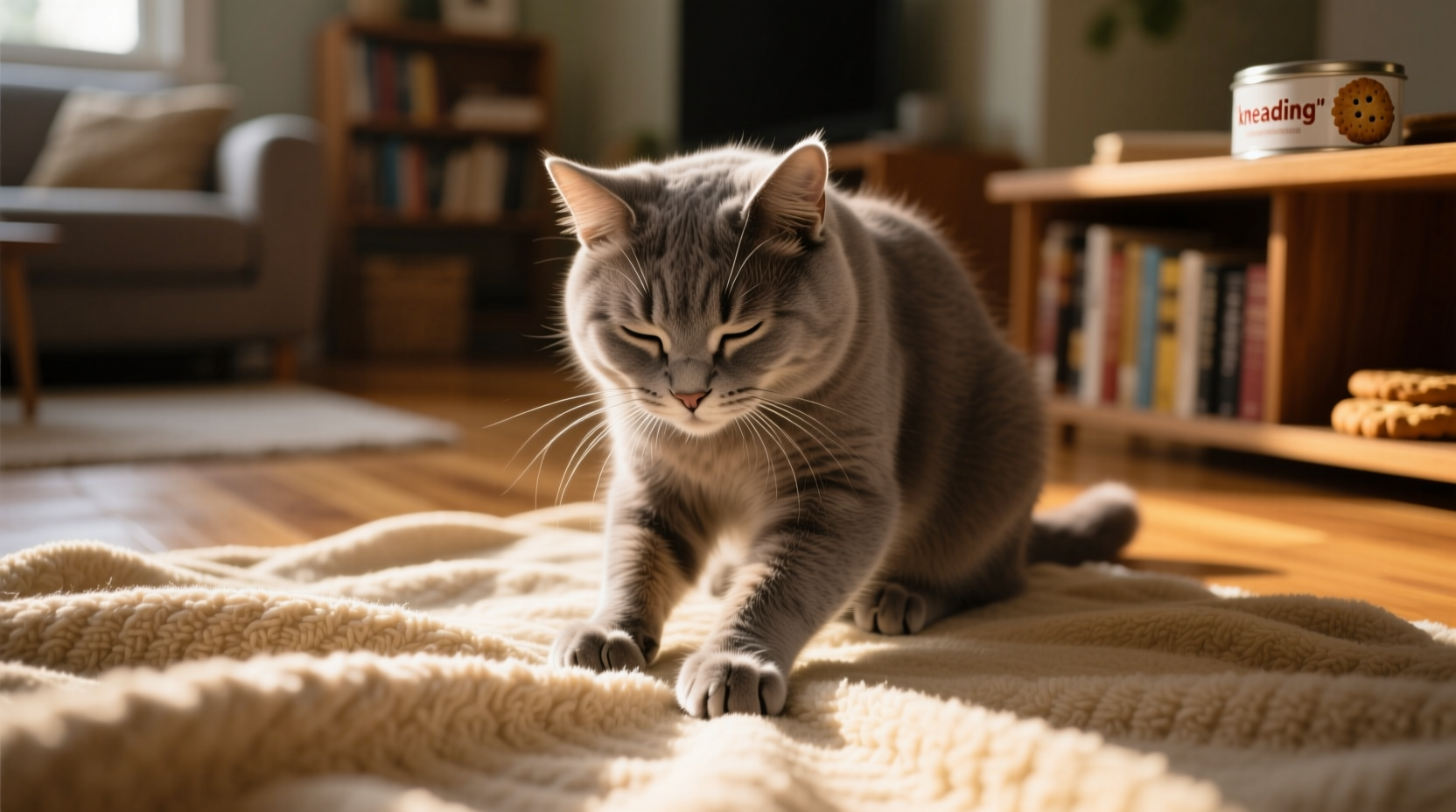
The foundation of kneading begins in the earliest days of a cat’s life. Newborn kittens are blind and deaf, relying entirely on instinct and tactile feedback to locate their mother’s milk. One of their first learned behaviors is pressing their tiny paws against the mother’s mammary glands. This motion stimulates milk flow, ensuring nourishment. Over time, the act becomes associated with warmth, safety, and sustenance.
Even after weaning, many cats retain this behavior. When an adult cat kneads a soft blanket or a human lap, it may be subconsciously reenacting that primal moment of comfort and nourishment. The rhythmic motion triggers neural pathways linked to early feelings of security. In essence, kneading serves as a self-soothing mechanism—an emotional reset button that transports the cat back to a time of unconditional care.
“Kneading is one of the clearest examples of behavioral carryover from kittenhood. It’s not just habit—it’s hardwired into the cat’s emotional memory.” — Dr. Lena Torres, Feline Behavior Specialist
This reflexive action is so ingrained that even orphaned kittens raised by humans often display kneading behavior, suggesting it’s not learned through observation but driven by innate biological programming.
Emotional Comfort and Territory Marking
Beyond nostalgia, kneading plays a role in emotional regulation and environmental familiarity. Cats have scent glands located in the soft pads of their paws. Each time they press into a surface, they deposit pheromones—chemical signals that communicate ownership and safety. This subtle marking helps the cat mentally claim a space as “theirs,” reducing anxiety in unfamiliar or changing environments.
In multi-pet households or homes with frequent visitors, kneading can serve as a calming ritual. By reinforcing their scent on a favorite blanket or sleeping spot, cats create a familiar olfactory landscape that buffers stress. It’s akin to a person wrapping themselves in a well-worn sweater or returning to a favorite chair—the physical sensation is comforting, but so is the invisible signal of belonging.
Physical Benefits and Muscle Memory
Kneading isn’t purely emotional—it also has tangible physical benefits. The motion engages muscles in the shoulders, forelimbs, and paws, promoting circulation and flexibility. For indoor cats with limited opportunities for natural scratching or climbing, kneading acts as a low-impact form of exercise. It keeps paw dexterity sharp and may help prevent stiffness, especially in older cats.
Additionally, the repetitive nature of the movement taps into muscle memory. Just as humans might rock, tap fingers, or pace when relaxed or contemplative, cats use rhythmic actions like kneading to regulate their nervous systems. It’s a form of displacement behavior—a way to channel excess energy or mild anxiety into a predictable, soothing pattern.
When Kneading Signals Contentment
One of the most reliable indicators that a cat feels safe and happy is kneading in your presence. If your cat climbs onto your lap, settles in, and begins working its paws into your leg, it’s a profound compliment. You’ve been chosen as a source of comfort—someone who represents the same security once provided by the mother cat.
This behavior often coincides with other signs of contentment:
- Purring
- Slow blinking (a “cat kiss”)
- Drooling
- Relaxed posture
- Soft, half-closed eyes
These cues together form a clear picture: the cat is not just physically comfortable but emotionally at ease. In a world where cats are naturally cautious and territorial, such vulnerability is rare and meaningful.
Why Some Cats Stop Kneading (And Others Never Start)
Not all cats knead, and the absence of this behavior doesn’t indicate distress or poor upbringing. Individual personality, early experiences, and breed tendencies all influence whether a cat retains the kneading instinct. Some experts suggest that breeds with strong maternal lineages—such as Ragdolls or Maine Coons—are more likely to exhibit kneading into adulthood.
Other factors include:
- Early separation from mother: Kittens taken too young may not fully develop the association between kneading and feeding.
- Trauma or neglect: Cats from unstable backgrounds may suppress comforting behaviors due to chronic stress.
- Claw sensitivity: Cats with painful paws or past injuries may avoid pressure-based actions.
Conversely, some cats intensify kneading during times of change—moving homes, introducing new pets, or illness—as a way to self-regulate. Observing shifts in frequency or intensity can provide valuable clues about a cat’s emotional state.
Managing Kneading: When Comfort Meets Practicality
While kneading is generally harmless, it can become problematic when claws are involved. Sharp nails digging into skin or furniture may lead to discomfort or damage. Rather than discouraging the behavior—which could undermine the cat’s sense of security—owners should focus on redirection and management.
| Challenge | Solution | Why It Works |
|---|---|---|
| Claws hurt during kneading | Trim claws regularly or use soft nail caps | Reduces injury risk without stopping the behavior |
| Kneading damages furniture | Provide a designated kneading pad or thick blanket | Offers acceptable texture and absorbs scent marking |
| Overstimulation during lap-kneading | Limit sessions; gently move cat before agitation | Prevents biting or scratching due to sensory overload |
| Excessive drooling stains fabrics | Place a towel or washable cover under the cat | Maintains hygiene without disrupting routine |
Mini Case Study: Luna, the Anxious Rescue Cat
Luna, a three-year-old domestic shorthair, was adopted after spending her first year in a crowded shelter. Initially withdrawn and hesitant to interact, she began kneading obsessively on a wool blanket within weeks of arriving at her new home. Her owner, Maria, noticed the behavior increased after loud noises or visits from guests.
Working with a feline behaviorist, Maria realized Luna used kneading as a coping mechanism. The rhythmic motion helped her recalibrate after stressful stimuli. Instead of discouraging it, Maria introduced a dedicated “calm blanket” infused with synthetic feline facial pheromones. Over time, Luna’s overall anxiety decreased, and while she still kneaded daily, the episodes became shorter and less intense.
This case illustrates how kneading, even when excessive, can be a window into a cat’s psychological needs—and how supportive interventions yield better outcomes than suppression.
Step-by-Step Guide: Creating a Kneading-Friendly Environment
If you want to encourage healthy kneading behavior while protecting yourself and your furniture, follow this practical sequence:
- Observe patterns: Note when and where your cat kneads most often. Is it after meals? Before sleep? On your lap or a specific couch corner?
- Select a dedicated surface: Choose a soft, washable blanket or cushion. Fleece or wool works well due to its pliability and warmth retention.
- Add familiar scents: Rub the item on your cat’s cheek glands or place it near their sleeping area to transfer their natural scent.
- Introduce gradually: Place the item in their preferred kneading zone and reward interaction with praise or treats.
- Maintain consistency: Wash the item infrequently and only with mild, unscented detergent to preserve the cat’s scent signature.
- Monitor claw health: Trim nails every 2–3 weeks or apply nail caps to prevent damage during kneading.
This approach respects the cat’s instincts while minimizing household disruptions. Over time, the designated kneading spot becomes a psychological anchor—a personal sanctuary within the home.
Frequently Asked Questions
Is kneading a sign of sexual behavior?
No. While unspayed female cats may knead more during heat cycles due to hormonal fluctuations, kneading itself is not inherently sexual. It is primarily a comfort behavior seen in both males and females, neutered or intact.
Can I stop my cat from kneading?
You can redirect the behavior, but suppressing it entirely is not recommended. Kneading is a natural, stress-relieving activity. Instead of stopping it, manage it through claw care and providing appropriate surfaces.
Why does my cat bite the blanket while kneading?
Some cats gently nibble or suckle fabric during kneading, especially if separated from their mother early. This is usually harmless unless it leads to ingestion of material. If fabric eating occurs, consult a veterinarian, as it may indicate pica—a condition requiring medical attention.
Expert Insight: The Emotional Language of Cats
Kneading is part of a broader spectrum of feline communication. Unlike dogs, who rely heavily on vocalizations and body language visible to humans, cats often express emotions through subtle, tactile behaviors. Kneading, grooming, bunting (head-butting), and slow blinking are all forms of silent dialogue.
“To understand a cat, watch what they do with their paws. Kneading isn’t random—it’s a conversation in motion, expressing trust, territory, and tranquility.” — Dr. Arjun Patel, Ethologist and Animal Cognition Researcher
Recognizing these gestures allows owners to respond with empathy rather than frustration. A cat kneading your lap isn’t being demanding—it’s confiding in you.
Conclusion: Embracing the Biscuit-Making Ritual
The next time your cat climbs onto your lap and starts “making biscuits,” resist the urge to interrupt—even if the claws pinch. That simple act is a testament to the bond you’ve built. It’s a living echo of kittenhood, a declaration of safety, and a quiet celebration of trust.
By understanding the layers behind kneading, we shift from seeing it as a mere habit to recognizing it as a profound expression of feline well-being. With thoughtful care, proper tools, and a little patience, you can support this behavior in a way that honors your cat’s instincts and enhances your shared life.




 浙公网安备
33010002000092号
浙公网安备
33010002000092号 浙B2-20120091-4
Comments
No comments yet. Why don't you start the discussion?