
Cat owners often find themselves both charmed and slightly pained by their feline companions’ tendency to press their paws rhythmically into soft surfaces—especially laps. This behavior, affectionately known as “making biscuits,” is a common sight in homes with cats. While it’s typically a sign of contentment, many people wonder: why does my cat kneading hurt? More importantly, what drives this instinctive action, and how can we coexist comfortably with our kneading overlords?
The truth is, kneading isn’t random or misdirected aggression—it’s deeply rooted in biology, emotion, and early development. Understanding the logic behind the behavior not only demystifies the discomfort but also deepens the bond between cat and owner. Let’s explore the science, psychology, and practical solutions surrounding feline kneading.
The Origins of Kneading: A Behavior from Birth
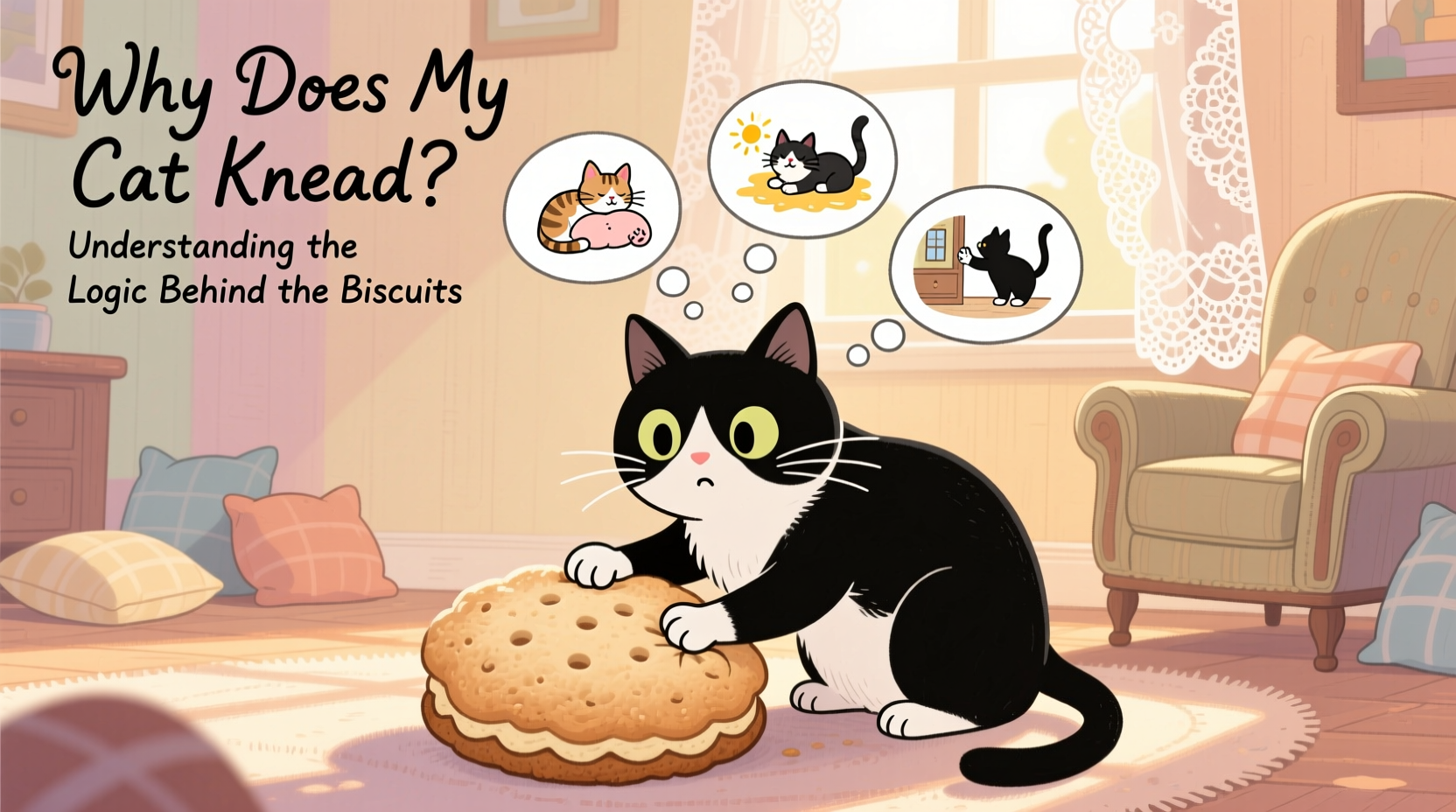
Kneading begins in kittenhood. Newborn kittens instinctively press their tiny paws against their mother’s mammary glands to stimulate milk flow. This rhythmic motion is essential for survival during the first few weeks of life. The action triggers oxytocin release in the mother, encouraging lactation, while ensuring the kitten receives nourishment.
As cats grow, they retain this behavior well into adulthood—even though they no longer rely on nursing. When adult cats knead, they’re not trying to nurse; instead, they’re expressing deep emotional comfort. The act becomes associated with warmth, safety, and bonding. It’s no coincidence that cats often knead when they’re relaxed, purring, or settling onto a favored human’s lap.
“Kneading is one of the clearest examples of behavioral carryover from infancy. It reflects emotional security more than physical need.” — Dr. Sarah Thompson, Feline Ethologist
This connection to early nurturing explains why cats may knead bedding, blankets, or even your arm while settling in for a nap. It’s a self-soothing mechanism, much like a child sucking their thumb or hugging a favorite stuffed animal.
Why Does Cat Kneading Hurt? The Physical Reality
While the intent behind kneading is innocent, the sensation isn’t always pleasant—especially when claws are involved. Several factors contribute to why the behavior can be painful:
- Claw pressure: Cats use their front paws, complete with sharp claws, to push and pull against fabric or skin. Even retractable claws can extend during kneading, especially if the surface offers resistance.
- Rhythm and force: Some cats knead vigorously, applying significant pressure that can bruise sensitive skin or leave red marks.
- Location: When kneading occurs on bare legs, arms, or feet, there’s no protective layer between claws and skin, increasing discomfort.
- Duration: Extended kneading sessions—sometimes lasting several minutes—can turn mild irritation into real pain.
It’s important to note that the cat isn’t trying to hurt you. From their perspective, they’re expressing trust and comfort. But without proper management, this loving gesture can become a source of tension in the human-cat relationship.
The Emotional Logic Behind ‘Making Biscuits’
Beyond its origins in infancy, kneading serves multiple psychological functions in adult cats:
1. Scent Marking and Territory
Cats have scent glands in the soft pads of their paws. When they knead, they deposit pheromones onto the surface—marking it as safe and familiar. In essence, your lap becomes part of their territory. This is a compliment, not an invasion. Your cat is saying, “This space—and you—are mine, and I feel secure here.”
2. Stress Relief and Self-Soothing
Like humans who engage in repetitive motions when anxious (e.g., tapping fingers or twirling hair), cats use kneading to regulate their emotions. If your cat starts kneading after a loud noise, a visitor arrival, or a change in routine, they may be using the behavior to calm themselves.
3. Nesting Instinct
In the wild, cats knead tall grass or leaves to create a soft, safe sleeping area. This nesting behavior persists in domestic cats, even when plush beds are available. Kneading before lying down helps them “fluff” their chosen spot—whether it’s a blanket or your thigh.
4. Affection and Bonding
When a cat chooses to knead on you specifically, it’s a strong indicator of trust. They associate you with safety and comfort, much like they did with their mother. Combined with purring, half-closed eyes, and slow blinks, kneading is part of a broader language of feline affection.
Managing Painful Kneading: Practical Solutions
You don’t have to stop your cat from kneading—nor should you. Suppressing natural behaviors can lead to stress and anxiety. Instead, focus on reducing discomfort while preserving the emotional benefits of the action.
Step-by-Step Guide to Comfortable Coexistence
- Trim claws weekly: Regular nail maintenance is the single most effective way to reduce pain. Aim for every 7–10 days.
- Use a barrier: Place a thick blanket, towel, or specially designed cat-safe mat over your lap during cuddle sessions.
- Redirect to appropriate surfaces: Encourage your cat to knead a soft toy, cushion, or cat bed by placing it nearby and rewarding use with treats or praise.
- Train gentle touch: If your cat begins kneading too hard, gently lift them and say “too rough” in a calm tone. Return them only when they settle.
- Provide alternatives: Offer a heated cat bed or a fleece-covered pad that mimics the warmth and texture of human skin.
Checklist: How to Make Kneading Comfortable for Both of You
- ✅ Trim your cat’s claws regularly
- ✅ Keep a soft blanket on hand for lap protection
- ✅ Reward calm kneading with verbal praise or treats
- ✅ Avoid pushing or scolding your cat during kneading
- ✅ Provide a designated “kneading zone” with plush materials
- ✅ Monitor for signs of overstimulation (tail flicking, ears back)
When Kneading Crosses the Line: Overstimulation and Aggression
Sometimes, kneading escalates into biting or scratching. This usually happens due to overstimulation—a state where prolonged petting or tactile input overwhelms the cat. What begins as a peaceful session can suddenly end with a nip or swipe.
Overstimulation is not a behavioral flaw; it’s a sensory threshold. Cats vary widely in their tolerance levels. Some enjoy extended contact, while others signal discomfort subtly before reacting.
| Signs of Overstimulation | Action to Take |
|---|---|
| Tail flicking or lashing | Stop petting and give space |
| Ears flattened or twitching | Reduce physical contact |
| Restlessness or skin rippling | End the session calmly |
| Hissing or growling | Retreat and reassess later |
If your cat frequently bites after kneading, consider shortening interaction times and watching for early warning signs. Never punish the behavior—this damages trust. Instead, respect their limits and build interactions gradually.
Real-Life Example: Living with a Vigorous Kneader
Sophie, a 5-year-old tabby, belonged to Maria, a remote worker who spent hours on her couch each day. Sophie loved to knead Maria’s legs during afternoon Zoom calls. Initially sweet, the behavior became problematic when Sophie’s claws left small puncture marks through Maria’s leggings.
Maria tried pushing Sophie away, which only made the cat more insistent. After consulting a feline behaviorist, she implemented a new routine: trimming Sophie’s claws twice a week, keeping a thick fleece throw on the couch, and placing a heated cat bed beside her. She also began redirecting Sophie with a soft plush toy whenever kneading started.
Within three weeks, Sophie was consistently using the throw or her bed to knead. Maria reported fewer interruptions and no more injuries. “I realized she wasn’t being aggressive—she just needed better outlets,” Maria said. “Now we both enjoy our quiet time together.”
Frequently Asked Questions
Is kneading a sign of dominance?
No. Kneading is not about asserting control. It’s a comforting, affiliative behavior rooted in early life experiences. While it involves marking with scent, this is about familiarity, not hierarchy.
Can neutered/spayed cats still knead?
Absolutely. Kneading is not hormonally driven in the way mating behaviors are. Spaying or neutering has no significant effect on the frequency or intensity of kneading.
My cat never kneads. Is that normal?
Yes. Not all cats knead, and that’s perfectly okay. Some may have missed strong nursing experiences, while others simply express affection differently—through head-butting, grooming, or following you closely.
Conclusion: Embracing the Biscuits with Care
Kneading is more than a quirky habit—it’s a window into your cat’s emotional world. When your cat makes biscuits on your lap, they’re sharing a moment of vulnerability, trust, and deep-seated comfort. The occasional discomfort from claws or pressure is a small price to pay for such a meaningful gesture.
By understanding the biological roots and emotional significance of kneading, you can respond with empathy rather than frustration. Simple adjustments—like regular nail trims, protective barriers, and redirection—allow you to enjoy these intimate moments without pain.
Every purr, every rhythmic press of the paws, is a reminder of the unique bond you share. Instead of asking how to stop the behavior, ask how you can support it in a way that works for both of you. That’s the heart of compassionate pet ownership.




 浙公网安备
33010002000092号
浙公网安备
33010002000092号 浙B2-20120091-4
Comments
No comments yet. Why don't you start the discussion?