
Cats are enigmatic creatures. One moment they're leaping with precision, the next they’re curled into a perfect circle or sprawled upside down like a furry starfish. If you’ve ever walked into a room to find your cat balancing on the edge of the couch with all four paws in the air, you’re not alone—and you’re probably wondering: Why do cats sleep in such strange positions? The answer lies in a blend of biology, instinct, comfort, and subtle communication. Understanding these postures isn’t just amusing; it can offer insight into your cat’s physical well-being and emotional state.
On average, cats sleep between 12 and 16 hours a day—some even reach 20 during kittenhood or in older age. That’s more than half their lives spent in slumber, often in configurations that defy logic. From the loaf to the pancake, the pretzel to the Superman dive, each pose serves a purpose. By decoding these behaviors, pet owners can better support their feline companions’ needs and detect potential health concerns early.
The Science Behind Cat Sleep Cycles
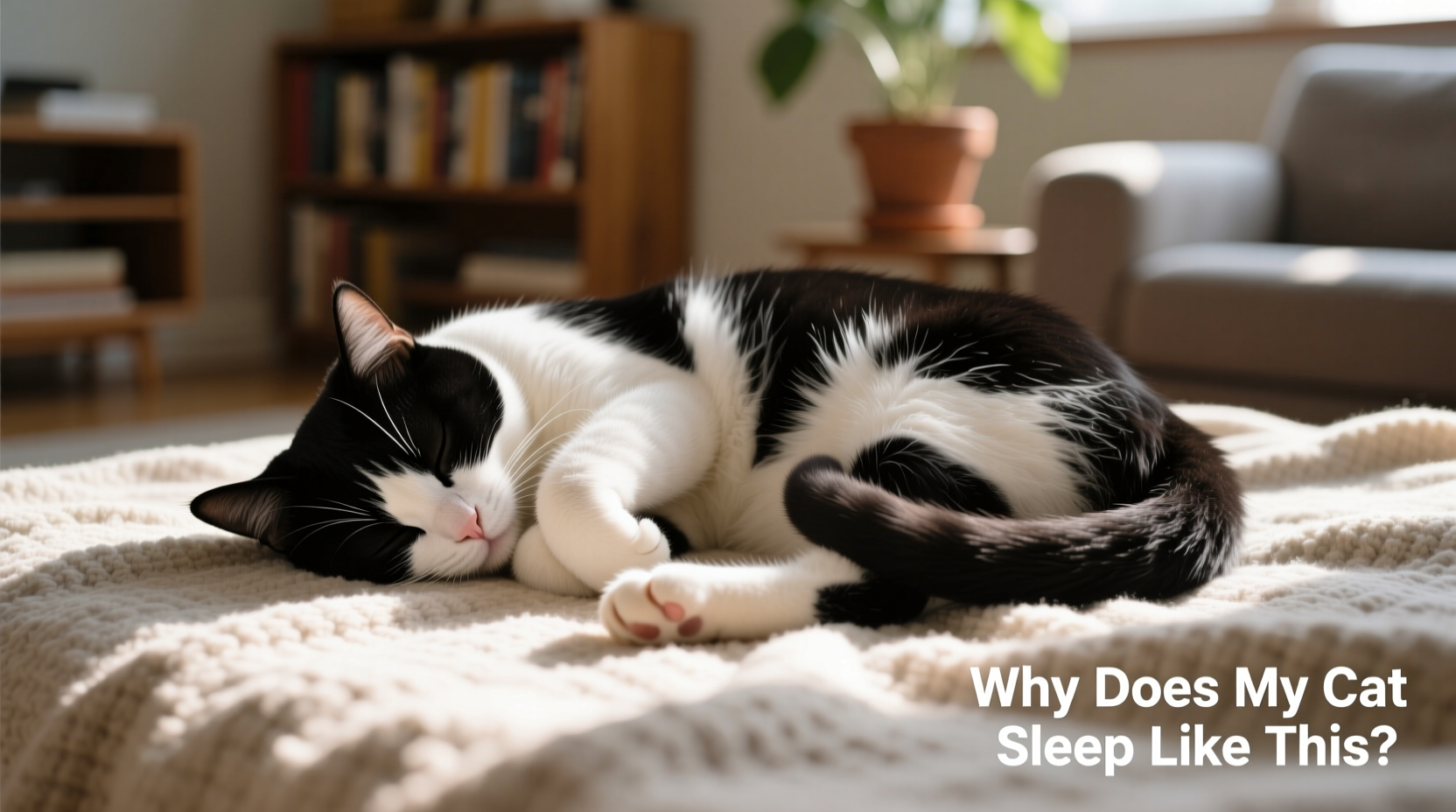
Cat sleep is fundamentally different from human sleep. While humans typically experience consolidated nighttime rest, cats are crepuscular—most active at dawn and dusk—and their sleep occurs in short bursts throughout the day and night. These naps alternate between light dozing and deep REM (rapid eye movement) sleep, where dreaming occurs.
During light sleep, a cat remains semi-alert. Muscles stay partially tensed, ears twitch at sounds, and eyes may open briefly. This allows them to spring into action if needed—a survival trait inherited from wild ancestors who had to remain vigilant against predators or seize hunting opportunities.
In contrast, deep REM sleep is when the body fully relaxes. It’s during this phase that cats enter the most unusual sleeping positions. Their muscles lose tone, limbs go limp, and they may twitch, flick their tails, or make soft vocalizations—signs they’re likely dreaming of chasing birds or exploring high shelves.
“Cats exhibit REM sleep patterns similar to humans, but they cycle in and out of it much faster—sometimes every 25 minutes. That’s why you’ll see dramatic shifts in posture within a single nap.” — Dr. Lena Torres, Feline Behavioral Scientist, Cornell Feline Health Center
Common Sleeping Positions and What They Mean
Each sleeping position reflects a combination of comfort, temperature regulation, mood, and perceived safety. Here’s a breakdown of the most frequently observed postures:
- The Loaf: Paws tucked under, tail wrapped around the body, head upright. This compact shape conserves heat and keeps vital organs protected. It also allows for a quick getaway—ideal for cats who feel mildly alert even while resting.
- The Pancake (or Starfish): Belly up, legs splayed outward. This vulnerable position indicates deep trust and relaxation. It also helps dissipate body heat, making it common in warm environments.
- The Curl-Up: Body tightly coiled, nose touching tail. This classic pose minimizes surface area, retaining warmth in cooler settings. Outdoor or formerly stray cats often default to this for security.
- The Superman Dive: Stretched forward with front legs extended and rear legs straight behind. Often seen on cool floors, this posture aids thermoregulation by exposing the underbelly to cooler surfaces.
- The Side Sleeper: Lying on one side with limbs relaxed. A sign of comfort and confidence, especially when the belly is exposed. This allows for full muscle relaxation and deeper breathing.
- The Twisted Pretzel: Limbs bent at odd angles, head flopped backward. Seen during deep REM cycles, this suggests the cat is completely at ease and possibly dreaming.
Instinctual Roots of Odd Sleeping Habits
Domestic cats may live in climate-controlled homes, but their instincts remain rooted in survival. Many sleeping behaviors trace back to their wild relatives, such as the African wildcat, which relied on stealth, warmth retention, and protection from threats.
For example, the loaf position mimics how wild cats would sit while scanning for prey or danger. Even in safe homes, cats retain this habit because it provides both physical readiness and psychological comfort. Similarly, hiding in small spaces—like boxes or drawers—isn’t just quirky behavior; it’s an evolutionary preference for enclosed areas that shield from predators and maintain body heat.
Sleeping on elevated surfaces, such as bookshelves or the top of a refrigerator, ties into another instinct: vantage points. High places allow cats to observe their territory without being seen. When they nap there, they combine rest with environmental awareness—a dual-purpose strategy honed over millennia.
Temperature Regulation and Physical Comfort
A cat’s normal body temperature ranges from 100.5°F to 102.5°F (38°C to 39.2°C), slightly higher than humans. To maintain this, they adjust their posture based on ambient conditions.
In hot weather, cats stretch out to increase surface area and release heat through their paw pads and thin fur on the belly. You’ll often find them lying on tile floors, near vents, or directly in sunbeams—but only briefly, as overheating is a risk.
In colder months, they curl tightly, sometimes burying their faces under their tails or tucking into cozy nooks. Some cats even seek out warm appliances (like laptops or radiators), though supervision is essential to prevent burns.
| Sleeping Position | Purpose | When You’ll Likely See It |
|---|---|---|
| The Loaf | Heat conservation, alert readiness | Cooler rooms, daytime naps |
| The Pancake | Thermoregulation, deep relaxation | Warm areas, trusted environments |
| The Superman | Cooling, muscle stretching | Hot days, after play |
| The Curl-Up | Warmth, protection | Cold floors, unfamiliar settings |
| The Side Sleeper | Comfort, deep rest | Quiet hours, familiar spots |
Health Clues Hidden in Sleep Postures
While odd sleeping positions are usually normal, sudden changes can indicate medical or emotional issues. Cats are masters at masking pain, so subtle shifts in behavior—especially sleep habits—are often the first warning signs.
For instance, a cat that used to sleep stretched out but now consistently curls tightly might be experiencing joint pain or abdominal discomfort. Arthritis, common in older cats, can make sprawling uncomfortable. Likewise, reluctance to jump onto favorite perches or frequent shifting during sleep may point to musculoskeletal problems.
Respiratory issues can also affect posture. A cat with asthma or congestion may avoid lying on its side or chest, instead opting for a more upright position to ease breathing. Similarly, neurological conditions might cause uncoordinated limb movements during sleep or difficulty maintaining balance in typical poses.
“We once treated a senior cat brought in for ‘laziness.’ The owner didn’t realize that sleeping exclusively in tight balls and avoiding high furniture signaled advanced arthritis. Early intervention improved mobility significantly.” — Dr. Rajiv Mehta, Veterinary Neurologist, Chicago Cat Hospital
Mini Case Study: Bella the Anxious Rescue Cat
Bella, a two-year-old domestic shorthair, was adopted from a shelter after being found stray. Initially, she slept only in the back of her closet, curled into a tight ball with her face hidden. She avoided open spaces and never exposed her belly.
Over six weeks, her owner gradually introduced covered beds, vertical spaces, and calming pheromone diffusers. As Bella grew more secure, her sleeping positions evolved: first the loaf in visible areas, then side-sleeping near her human’s bed, and eventually the pancake pose in the middle of the living room floor.
This progression reflected not just physical comfort but emotional healing. Her changing sleep habits served as a nonverbal indicator of reduced anxiety and growing trust.
Actionable Tips for Supporting Healthy Cat Sleep
You can’t control how your cat chooses to sleep—but you can create an environment that supports restful, safe, and comfortable naps. Consider the following checklist to optimize your home for feline slumber.
Checklist: Creating a Cat-Friendly Sleep Environment
- Provide multiple sleeping options: beds, hammocks, cardboard boxes, and heated pads.
- Place beds in quiet, low-traffic areas with easy escape routes.
- Include elevated spots (cat trees, window perches) for territorial observation.
- Maintain consistent temperatures—avoid drafts and excessive heat.
- Wash bedding regularly using fragrance-free detergent to prevent skin irritation.
- Respect your cat’s privacy—don’t disturb deep sleep unless necessary.
- Monitor for changes in preferred positions or locations.
Do’s and Don’ts of Cat Sleep Support
| Do’s | Don’ts |
|---|---|
| Offer variety in texture and height | Force your cat into a new bed |
| Observe without interfering | Wake a sleeping cat abruptly |
| Use calming scents like lavender (in vet-approved diffusers) | Use strong air fresheners or perfumes nearby |
| Encourage routine with feeding and play before bedtime | Allow late-night feeding that disrupts sleep cycles |
Frequently Asked Questions
Why does my cat sleep with its tongue out?
This is usually harmless and occurs during deep relaxation or REM sleep when muscle control temporarily decreases. It’s more common in brachycephalic breeds (like Persians) due to facial structure. However, if accompanied by drooling, bad breath, or eating difficulties, consult a vet—it could indicate dental disease or oral trauma.
Is it bad if my cat sleeps in the litter box?
Yes—this is not normal behavior. While kittens may huddle in litter boxes for warmth, adult cats doing so likely feel unsafe elsewhere or are marking territory due to stress. It can also signal urinary tract issues. Address environmental stressors and rule out medical causes promptly.
Should I be worried if my cat sleeps more than usual?
Minor fluctuations are normal, especially with age or seasonal changes. But a sudden increase in sleep duration, especially with lethargy, loss of appetite, or disinterest in interaction, warrants a veterinary checkup. Hypothyroidism, kidney disease, or infections can manifest this way.
Conclusion: Embrace the Quirks, Protect the Well-Being
Your cat’s bizarre sleeping positions aren’t just cute—they’re windows into their physiology, psychology, and ancestral past. From the protective curl to the fearless belly-up sprawl, each pose communicates comfort, temperature needs, and levels of trust. By paying attention to these habits, you become a more attuned caregiver, capable of spotting subtle shifts that may signal health concerns.
Creating a safe, varied, and temperature-appropriate environment empowers your cat to choose restful postures freely. Respect their need for privacy during sleep, provide options that suit their instincts, and stay observant over time. Most importantly, celebrate the whimsy. That upside-down, leg-flung starfish isn’t broken—it’s perfectly, wonderfully feline.




 浙公网安备
33010002000092号
浙公网安备
33010002000092号 浙B2-20120091-4
Comments
No comments yet. Why don't you start the discussion?