
There’s nothing more disappointing than watching your beautifully decorated Christmas tree lose its luster within days of setup. Needles dropping, branches drooping, and a brittle texture—signs of a prematurely drying tree can turn festive cheer into frustration. While some needle shedding is natural, rapid dehydration isn’t inevitable. Understanding the science behind moisture loss and applying practical care strategies can dramatically extend your tree’s lifespan. Whether you’re using a real fir, spruce, or pine, the key lies in recognizing what accelerates drying and how to counteract it from day one.
The Science Behind Tree Drying: How Moisture Loss Begins
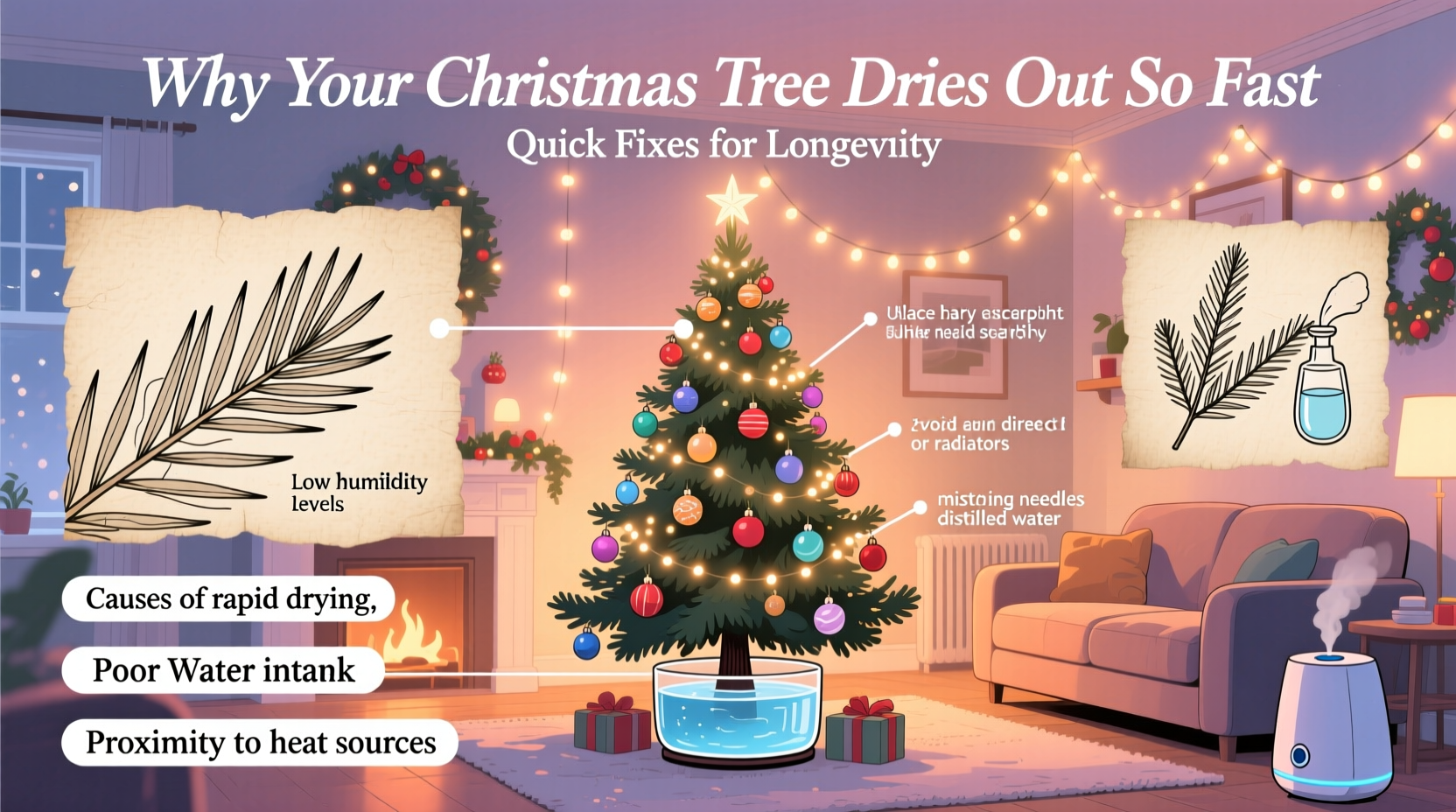
Once a Christmas tree is cut, it loses access to its root system, which previously supplied a steady flow of water and nutrients. Without roots, the tree must rely on stored moisture and its ability to absorb water through the freshly cut trunk base. The process of transpiration—where moisture evaporates from needles—continues even after cutting, creating a constant demand for water that the tree struggles to meet.
Several biological factors contribute to this imbalance:
- Vascular blockage: When a cut stump is exposed to air for too long, resin and sap seal the pores (called xylem), preventing water uptake even when placed in a stand.
- Temperature stress: Indoor heating systems reduce ambient humidity and increase transpiration rates, accelerating drying.
- Needle surface area: Trees with dense foliage, like Balsam firs, have more surface area for moisture to escape, increasing water needs.
A study by the National Christmas Tree Association found that a properly hydrated tree can retain its freshness for four to five weeks—more than enough time to last through the holidays—if basic hydration principles are followed.
“Moisture retention starts at the moment of harvest. A fresh cut and immediate water access are non-negotiable for longevity.” — Dr. Laura Harper, Horticulture Specialist, University of Vermont Extension
Top 5 Causes of Rapid Christmas Tree Drying
Even with good intentions, many homeowners unknowingly speed up their tree’s decline. Below are the most common culprits behind fast-drying trees.
1. Delayed Water Access After Cutting
If a tree sits for hours—or worse, days—without water after being cut, the exposed cut end forms a hardened layer that blocks water absorption. This single mistake can doom a tree before it even reaches your living room.
2. Insufficient Water in the Stand
Many standard tree stands hold only 1–2 quarts of water, but a healthy 7-foot tree can drink over a quart per day—sometimes more in the first 24–48 hours. Small reservoirs require refilling multiple times daily, which most people overlook.
3. Heat Sources Nearby
Trees placed near fireplaces, radiators, heating vents, or even clusters of incandescent lights experience localized heat that increases drying. Warm air reduces relative humidity and boosts evaporation from needles.
4. Old or Re-Cut Trunks Without Freshness
Some pre-cut trees sold at roadside lots were harvested weeks earlier. Even if re-cut at purchase, prolonged storage depletes internal moisture reserves. A tree that looks fresh may already be compromised internally.
5. Poor Cut Angle and Seal Formation
Cutting the trunk at an angle reduces the surface area in contact with water. Additionally, angled cuts make it harder for the stand’s clamp mechanism to hold the tree securely, increasing the risk of tipping and water spillage.
Quick Fixes to Revive and Extend Your Tree’s Life
If your tree is already showing signs of dryness—brittle needles, easy shedding, lack of fragrance—don’t give up yet. Some recovery is possible with prompt action.
Immediate Resuscitation Steps
- Re-cut the base: Remove at least ½ inch from the bottom of the trunk with a sharp saw. Do this just before placing it in water to ensure open vascular channels.
- Use lukewarm water: Slightly warm water (not hot) helps dissolve sap blockages and improves initial uptake.
- Relocate away from heat: Move the tree at least 6 feet from radiators, vents, or direct sunlight.
- Increase ambient humidity: Place a humidifier nearby or set bowls of water around the base to slow needle evaporation.
Preventative Care Checklist for Longevity
Proactive care from day one is the best defense against early drying. Follow this checklist to maximize freshness:
- ✅ Buy your tree as close to setup day as possible
- ✅ Inspect for freshness: shake gently; minimal needle drop indicates good hydration
- ✅ Make a straight, horizontal cut of ½ to 1 inch before placing in stand
- ✅ Fill stand with room-temperature water immediately
- ✅ Use a stand rated for your tree size (holds at least 1 gallon)
- ✅ Keep water topped off—never let it run dry
- ✅ Avoid placing near heat sources or drafty windows
- ✅ Use LED lights (they emit less heat than incandescent bulbs)
- ✅ Mist needles lightly every few days with a spray bottle
- ✅ Monitor daily for browning or brittleness
Do’s and Don’ts: Common Myths vs. Best Practices
| Do’s | Don’ts |
|---|---|
| Do re-cut the trunk right before watering | Don’t wait more than 4 hours after cutting to place in water |
| Do use a large-capacity stand (minimum 1 gallon for 7-ft tree) | |
| Do check water levels twice daily for the first week | Don’t assume the tree doesn’t need water because the stand still has some |
| Do keep the tree away from forced-air vents and fireplaces | Don’t place the tree in direct sunlight during daytime hours |
| Do add sugar or floral preservative (in moderation) to boost hydration | Don’t add aspirin, bleach, or vodka—these can damage vascular tissue |
Real Example: A Family Saves Their Drying Douglas Fir
The Reynolds family in Portland, Oregon, bought a 7.5-foot Douglas fir two weeks before Christmas. By day four, the tree was shedding needles heavily, and the scent had faded. Alarmed, they consulted a local nursery. Upon inspection, the tree’s stand held only a cup of water despite having a 2-gallon capacity—meaning it had gone dry unnoticed.
They followed these steps:
- Removed the tree and made a fresh ¾-inch cut.
- Transferred it to a larger stand with 1.5 gallons of lukewarm water.
- Moved it away from a nearby radiator.
- Began checking water twice daily and added 2 tablespoons of sugar per gallon.
Within 24 hours, the tree began absorbing over a quart of water per day. Needles regained suppleness, and shedding slowed dramatically. It remained fresh through New Year’s Eve—proving that timely intervention can reverse early dehydration.
Step-by-Step Guide: Maximizing Tree Freshness from Purchase to Takedown
Follow this timeline to ensure optimal care at every stage:
- Day 0 – Purchase & Transport: Buy locally and transport the tree horizontally, securing it to prevent branch damage. Cover with a tarp to reduce wind exposure.
- Day 1 – Setup: Re-cut the base, fill the stand immediately, and place in final location. Use room-temperature water.
- Days 1–7 – Critical Hydration Phase: Check water twice daily. Expect high consumption. Keep room temperature between 65–70°F.
- Weekly – Maintenance: Top off water, mist needles, inspect for pests or mold, and rotate decorations to avoid branch strain.
- Post-Holiday – Safe Disposal: Recycle through municipal programs or repurpose as mulch. Never burn indoors—dry evergreen is highly flammable.
Frequently Asked Questions
How can I tell if my tree is still hydrated?
Perform the “bend test”: gently bend a needle between your fingers. If it’s flexible and green inside, it’s still hydrated. If it snaps easily and feels brittle, it’s drying out. Also, lift a branch and tap lightly—excessive needle drop indicates poor health.
Is it safe to add anything to the water?
Plain water is safest. However, adding 1 tablespoon of sugar or commercial floral preservative per gallon can help. Avoid aspirin, bleach, soda, or alcohol—they disrupt osmosis and may clog the tree’s vascular system.
Can I revive a completely dry tree?
Once a tree is fully desiccated—branches brittle, no water uptake, strong woody odor—it cannot be revived. Prevention and early intervention are crucial. At that point, safety becomes a concern due to fire risk, and removal is recommended.
Conclusion: Keep Your Tree Fresh and Festive All Season
A dry Christmas tree isn’t a foregone conclusion—it’s often the result of overlooked details in handling and care. From the moment it’s cut to its final days in your home, every decision impacts its vitality. A fresh cut, consistent watering, strategic placement, and mindful maintenance form the foundation of a long-lasting tree. These practices aren’t complicated, but they require attention and consistency.
This holiday season, treat your tree like a living centerpiece worthy of daily care. Not only will it look better and smell richer, but it will also pose less of a fire hazard and bring greater joy throughout December. With the right approach, your Christmas tree can remain lush, fragrant, and vibrant well beyond New Year’s Day.




 浙公网安备
33010002000092号
浙公网安备
33010002000092号 浙B2-20120091-4
Comments
No comments yet. Why don't you start the discussion?