
Dog owners often find themselves pausing mid-conversation or stepping away from their shoes only to notice their dog intently licking their bare feet. While some may brush it off as a quirky habit, foot licking is rarely random. It's a form of communication—a subtle but rich language rooted in instinct, emotion, and social bonding. Understanding why your dog engages in this behavior offers insight into their inner world and strengthens the human-canine relationship.
Dogs communicate primarily through body language, scent, and tactile interaction. Licking is one of the most versatile tools in their expressive toolkit. When directed at your feet, it can signal affection, curiosity, submission, or even concern. Decoding these signals requires attention not just to the act itself, but to the context, frequency, and accompanying behaviors.
The Instinctual Roots of Licking Behavior
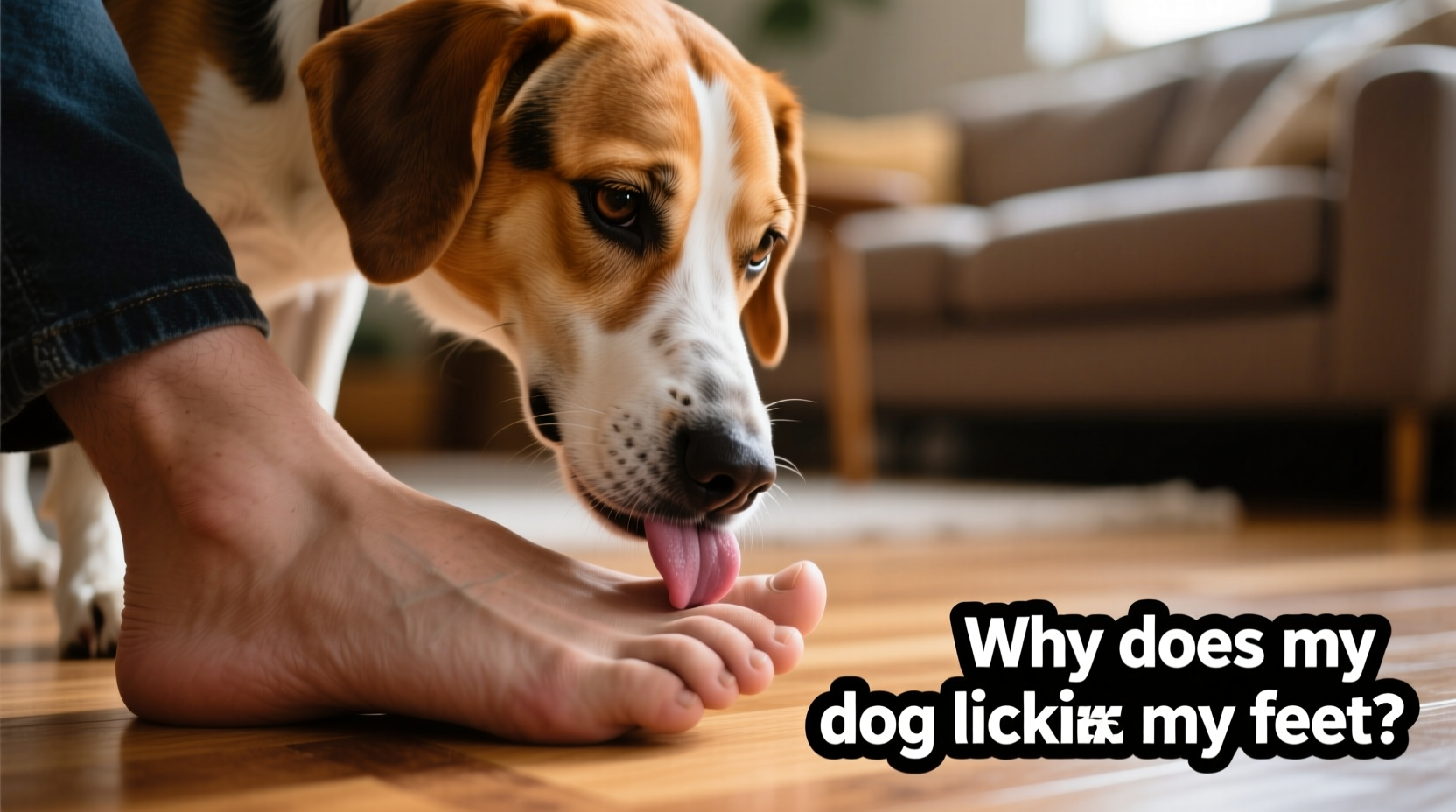
Licking begins at birth. Puppies are licked by their mothers to stimulate breathing, aid digestion, and maintain hygiene. This early experience imprints licking as a foundational social behavior. From the first days of life, licking is associated with care, safety, and connection.
As puppies grow, they begin to lick their mother’s mouth—a gesture known as “licking up”—to encourage regurgitation of food. Though modern dogs no longer rely on this for sustenance, the behavior persists as a sign of deference and social harmony within the pack. In a domestic setting, your dog may perceive you as a leader figure and use licking as a way to show respect and reinforce their place in the family hierarchy.
This instinct doesn’t vanish with age. Adult dogs continue to use licking to navigate social dynamics. When your dog licks your feet while lying down, avoiding direct eye contact, they may be expressing submission. Conversely, persistent licking paired with playful barking could indicate excitement or a desire for engagement.
Affection and Bonding: The Love Language of Dogs
One of the most heartwarming reasons dogs lick feet is simple: they love you. Licking releases endorphins in dogs—natural brain chemicals that promote feelings of pleasure and calm. Just as humans might hug or hold hands, dogs use licking as a tactile expression of attachment.
Feet, though less glamorous than faces, carry your unique scent profile. Sweat, skin cells, and natural oils create a personalized olfactory signature that dogs find deeply familiar and comforting. By licking your feet, your dog isn’t just tasting—they’re reaffirming their bond with you through sensory memory.
This behavior is especially common after separation. A dog who licks your feet upon your return from work may be reestablishing connection, much like a child clinging to a parent. It’s not merely about physical contact; it’s about emotional recalibration.
“Dogs don’t distinguish between ‘pleasant’ and ‘unpleasant’ scents the way humans do. To them, your scent is home.” — Dr. Lydia Chen, Canine Behavioral Scientist
Sensory Exploration and Taste Cues
Dogs experience the world largely through their noses and mouths. Their sense of taste is closely linked to smell, and licking enhances both. Salt, sweat, lotions, and even residual food particles on your skin can make feet surprisingly interesting to a curious canine.
After a workout or a walk barefoot on grass, your feet accumulate environmental traces—chlorine from pools, dirt, grass sap, or sunscreen. These compounds trigger your dog’s investigative instincts. Licking becomes a way to gather information: Where have you been? What did you touch? Are you safe?
In some cases, dogs may be drawn to specific flavors. If you’ve applied coconut oil or a vanilla-scented lotion, the sweet undertones might appeal to their palate. While occasional licking of such products is harmless, repeated exposure to certain ingredients (like essential oils) can be toxic. Always check labels and discourage excessive licking if skincare products are involved.
| Cause | Behavioral Signal | Action to Take |
|---|---|---|
| Sweat & salt | Curiosity, mild interest | Wipe feet if excessive; ensure hydration |
| Scent marking | Bonding, familiarity | No action needed; positive reinforcement |
| Lotion or cream | Attraction to fragrance or taste | Discourage if product is unsafe |
| Anxiety or compulsion | Repetitive, obsessive licking | Consult veterinarian or behaviorist |
Health and Emotional Signals: When Licking Is a Warning
While most foot licking is benign, it can sometimes reflect underlying issues. Dogs are highly attuned to human physiology and may react to changes in body chemistry. For example, fluctuations in blood sugar, hormonal shifts, or skin infections can alter your scent profile, prompting increased licking.
There is growing evidence that dogs can detect medical conditions such as diabetes, epilepsy, and even certain cancers through scent alone. If your dog suddenly fixates on your feet—especially if accompanied by whining, pawing, or refusal to leave your side—it may be worth monitoring your own health or consulting a physician.
On the behavioral side, compulsive licking can indicate anxiety, boredom, or stress. Dogs left alone for long periods may develop repetitive habits, including licking surfaces or body parts. Excessive foot licking—particularly if it leads to raw skin on the dog’s tongue or lips—should be evaluated by a professional.
Mini Case Study: Max and the Nighttime Licking Ritual
Max, a 4-year-old Border Collie, began licking his owner Sarah’s feet every evening after dinner. At first, she found it endearing. But when the behavior escalated to waking her at night and refusing to settle unless he could lick her feet, she grew concerned.
A veterinary behaviorist observed that Max’s licking intensified during storms and when Sarah worked late. He wasn’t seeking attention—he was self-soothing. The rhythmic motion of licking released calming neurotransmitters, helping him manage separation anxiety. With a structured routine, puzzle toys, and desensitization training, Max’s dependency on foot licking decreased significantly within six weeks.
How to Respond: Practical Guidance for Dog Owners
Not all licking requires intervention. Occasional, gentle licking is a normal part of canine social behavior. However, knowing how to respond appropriately ensures that the habit remains healthy and doesn’t escalate into dependency or nuisance.
Step-by-Step Guide: Managing Foot Licking Behavior
- Observe the context. Note when and where the licking occurs. Is it after meals? During relaxation? After you return home?
- Assess body language. Is your dog relaxed or tense? Tail wagging loosely or tucked? Ears forward or pinned back?
- Determine motivation. Affectionate licking is typically brief and intermittent. Compulsive licking is persistent and difficult to interrupt.
- Redirect if necessary. Offer a chew toy or initiate a command (e.g., “sit” or “go to bed”) to shift focus.
- Reinforce boundaries. If licking becomes intrusive, calmly stand up and walk away. This teaches that the behavior ends attention.
- Rule out medical causes. Consult your vet if licking is excessive, causes irritation, or coincides with other behavioral changes.
“Licking isn’t just a habit—it’s data. Pay attention to frequency, duration, and triggers. That’s how you separate normal behavior from a cry for help.” — Dr. Rafael Mendez, Veterinary Ethologist
Checklist: Healthy vs. Problematic Licking
- ✅ Gentle, occasional licking during calm moments
- ✅ Stops when redirected or ignored
- ✅ No signs of skin irritation on the dog
- ✅ Occurs in predictable contexts (e.g., greeting, bonding)
- ❌ Licking that lasts more than 10 minutes at a time
- ❌ Difficulty sleeping or focusing due to urge to lick
- ❌ Obsessive focus on feet or other body parts
- ❌ Signs of anxiety when prevented from licking
Frequently Asked Questions
Is it safe for my dog to lick my feet?
In most cases, yes—provided your skin is clean and free of open wounds or toxic lotions. Human skin bacteria are generally harmless to dogs, but avoid letting them lick cracked heels or fungal infections (like athlete’s foot), which can potentially transfer to their mouth or paws.
Why does my dog only lick my feet and not my partner’s?
This likely comes down to scent differences. You may have a distinct sweat composition, use different soaps, or spend more time barefoot. It could also reflect your dog’s stronger bond with you or associate your feet with positive experiences (like playtime or feeding).
Can I stop my dog from licking my feet?
You can modify the behavior if desired. Use redirection techniques, offer alternative activities, and avoid reinforcing the behavior with attention. Never punish licking—it’s a natural expression. Instead, reward calm alternatives like lying beside you quietly.
Conclusion: Listening Beyond the Lick
Your dog’s foot licking is more than a quirk—it’s a conversation. Whether they’re saying “I love you,” “I’m curious,” or “I need reassurance,” each lick carries meaning. By observing context, respecting boundaries, and responding with empathy, you deepen the mutual understanding that defines a strong human-dog relationship.
Next time your dog curls up and starts gently grooming your toes, pause and listen. They’re not just cleaning—they’re connecting. And in that quiet moment, you’re not just a pet owner. You’re family.




 浙公网安备
33010002000092号
浙公网安备
33010002000092号 浙B2-20120091-4
Comments
No comments yet. Why don't you start the discussion?