
If you’ve ever leaned in to give your dog a cuddle only to catch a distinct whiff of corn chips—yes, like Fritos—you’re not imagining things. This peculiar scent is surprisingly common among dog owners, and while it might seem harmless or even amusing at first, the persistence of this odor even after a thorough bath can be concerning. The truth is, that “Frito feet” smell isn’t just dirt or leftover kibble; it’s often a sign of biological processes happening beneath the surface of your dog’s skin and paws.
Dogs are prone to developing odors due to their unique skin chemistry, sweat glands, and microbial ecosystems. When bathing doesn't eliminate the smell, it suggests the source isn't superficial grime but something more systemic—like bacterial or yeast overgrowth, dietary influences, or underlying health conditions. Understanding the root causes is essential for effective, long-term resolution.
The Science Behind the Snack: What Causes the Frito Smell?
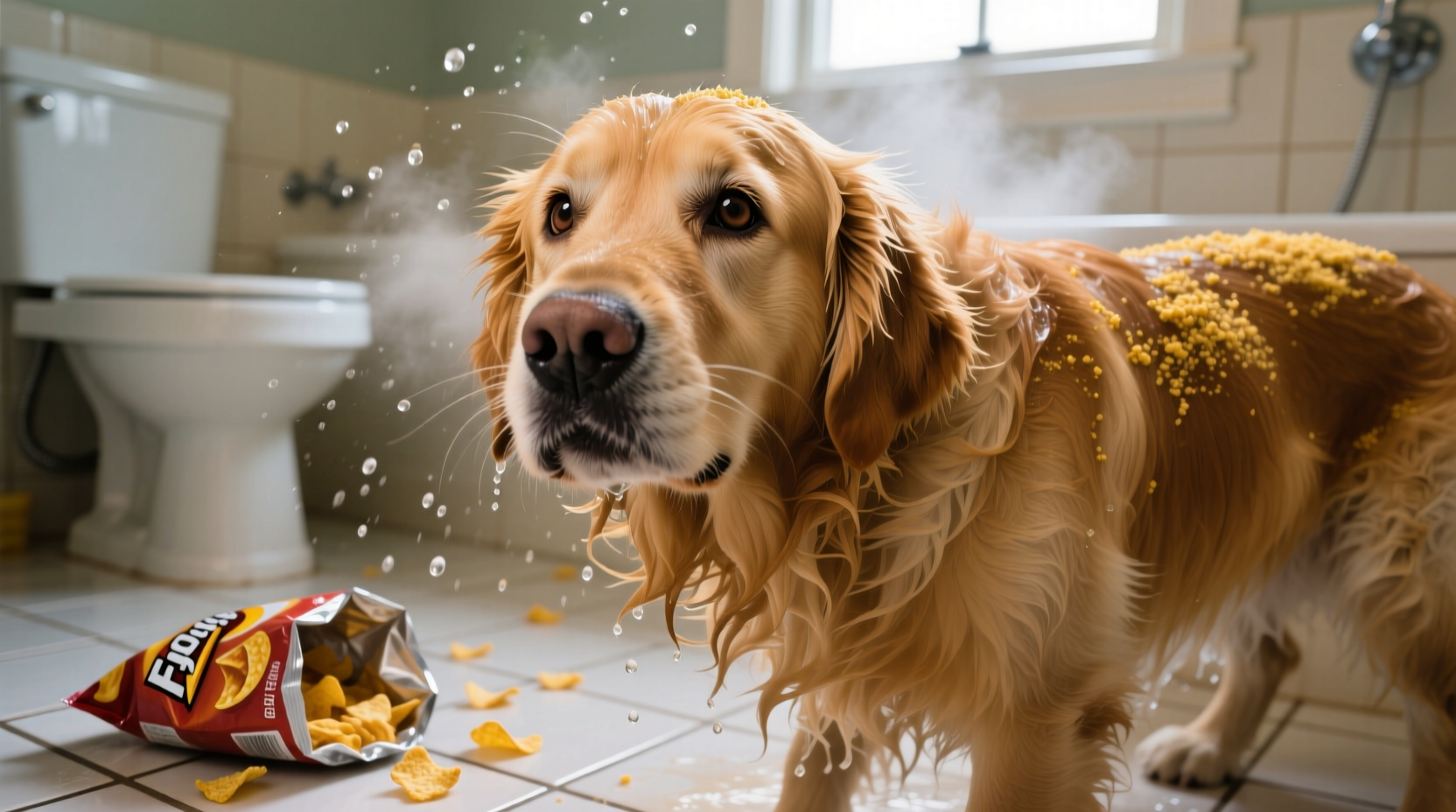
The most widely accepted explanation for the Frito-like odor in dogs is the presence of naturally occurring bacteria on their skin and in their paw folds. Specifically, two types of bacteria—Pseudomonas and Proteus—produce volatile organic compounds as they break down proteins and fats in sweat and sebum. These compounds include sulfur-containing molecules that emit odors reminiscent of popcorn, corn tortillas, or snack chips.
Dogs sweat primarily through their paw pads, which contain eccrine glands similar to human sweat glands. Unlike humans, however, dogs don’t rely on sweating for thermoregulation—their main cooling mechanism is panting. Still, their paws do produce moisture, especially when they’re anxious, hot, or active. This damp environment becomes a breeding ground for bacteria, particularly if the fur between the toes is thick or if the dog frequently walks on wet grass, mud, or puddles.
In addition to bacteria, yeast—especially Malassezia—can contribute to the smell. Yeast thrives in warm, moist areas and commonly colonizes skin folds, ears, and between toes. An overgrowth often results in a musty or cheesy aroma, but when combined with bacterial activity, it can create that unmistakable “corn chip” bouquet.
Why Bathing Alone Doesn’t Fix the Problem
Many pet owners assume that a good shampoo session will solve any odor issue. But if your dog still smells like Fritos post-bath, the reason likely lies in where—and how deep—the microbes reside. Standard shampoos may clean the surface of the coat but fail to penetrate deep into paw crevices, ear canals, or skin folds where odor-causing organisms live.
Moreover, frequent bathing with harsh soaps can disrupt the natural pH balance of your dog’s skin, stripping away protective oils and weakening the skin barrier. This disruption can actually encourage microbial overgrowth by creating an environment more favorable to opportunistic bacteria and yeast.
Another factor is incomplete drying. Moisture trapped between toes or under armpits provides an ideal habitat for microbes to rebound quickly after a bath. If your dog is towel-dried but still has damp fur hours later, especially in breeds with dense undercoats (like Huskies or Newfoundlands), recontamination is almost inevitable.
Common Misconceptions About Post-Bath Odor
- Myth: The smell means my dog is dirty.
Reality: Even impeccably groomed dogs can have microbial imbalances causing odor.
- Myth: Using stronger fragrances will mask the problem.
Reality: Perfumed shampoos may temporarily cover odors but can irritate sensitive skin and worsen the issue.
- Myth: Only certain breeds get “Frito feet.”
Reality: While some breeds (e.g., Basset Hounds, Cocker Spaniels) are more prone due to skin folds, all dogs can develop the smell under the right conditions.
Dietary Influences on Canine Body Odor
What your dog eats plays a significant role in their overall scent profile. Poor-quality diets high in fillers, artificial preservatives, and low-grade proteins can lead to systemic inflammation and compromised skin health. When the skin barrier weakens, it becomes more susceptible to infections that contribute to persistent odors.
Fatty acid imbalances are particularly relevant. Omega-3 and omega-6 fatty acids help maintain healthy skin and reduce inflammation. Diets deficient in these nutrients may result in dry, flaky skin or excessive oil production—both of which alter the microbiome and promote odor-causing microbes.
In some cases, food sensitivities or allergies manifest not as gastrointestinal issues but as skin problems. Chronic ear infections, itchy paws, and recurrent skin rashes are often linked to allergens such as chicken, beef, dairy, or grains. These inflammatory responses change the skin’s chemical environment, making it easier for Malassezia and other microbes to proliferate.
“Diet is foundational in dermatological health. I’ve seen dramatic reductions in ‘Frito feet’ simply by switching to a hypoallergenic, species-appropriate diet.” — Dr. Lena Reyes, DVM, Veterinary Dermatologist
Step-by-Step Guide to Reducing and Eliminating the Frito Smell
Eliminating persistent Frito-like odors requires a multi-pronged approach. Follow this timeline-based strategy to address both immediate symptoms and long-term causes.
- Day 1–3: Assess and Cleanse
- Inspect your dog’s paws, ears, groin, and skin folds for redness, swelling, or discharge.
- Wash paws with a gentle, medicated wipe or rinse with diluted chlorhexidine solution (0.05–0.1%).
- Bathe using a veterinary-recommended antifungal or antibacterial shampoo (e.g., ketoconazole or chlorhexidine-based).
- Day 4–7: Dry Thoroughly and Monitor
- Use a blow dryer on cool setting to ensure complete drying between toes and under body.
- Check for lingering odor daily. Note any changes in behavior, itching, or licking.
- Week 2: Evaluate Diet and Environment
- Review current dog food ingredients. Replace formulas containing corn, soy, or by-products.
- Introduce a fish oil supplement rich in EPA/DHA to support skin integrity.
- Wash bedding weekly in hot water and vacuum living areas to reduce environmental allergens.
- Week 3–4: Reassess and Consult
- If odor persists or worsens, schedule a vet visit for skin scraping or allergy testing.
- Consider a limited-ingredient diet trial lasting 8–12 weeks to rule out food allergies.
Checklist: Daily Habits to Prevent Recurring Odors
Prevention is key to keeping your dog smelling fresh between baths. Use this checklist to build a sustainable routine:
- ✅ Wipe paws with unscented, alcohol-free pet wipes after outdoor activity
- ✅ Brush your dog 2–3 times per week to remove dead skin and distribute natural oils
- ✅ Trim excess hair between paw pads monthly (or as needed)
- ✅ Clean ears weekly with a vet-approved solution
- ✅ Provide fresh water daily and avoid feeding table scraps
- ✅ Rotate toys and wash chew items regularly to prevent bacterial transfer
When to See a Veterinarian: Signs of Underlying Issues
While mild Frito-like scents are usually benign, certain symptoms indicate a need for professional evaluation:
| Symptom | May Indicate | Action Required |
|---|---|---|
| Strong, worsening odor despite cleaning | Chronic infection or biofilm formation | Veterinary culture and targeted treatment |
| Red, swollen, or oozing paw pads | Bacterial folliculitis or interdigital cysts | Prescription antibiotics or anti-inflammatories |
| Excessive licking or chewing of feet | Allergies (food or environmental) | Allergy testing and management plan |
| Dark, waxy ear discharge with head shaking | Yeast otitis externa | Cleaning regimen + antifungal medication |
Mini Case Study: Bella the Beagle
Bella, a 4-year-old Beagle, had been smelling strongly of corn chips for months. Her owner, Sarah, bathed her every two weeks with a popular oatmeal shampoo, but the odor returned within days. Despite regular grooming, Bella constantly licked her paws and showed signs of discomfort during walks.
After a vet visit, skin scrapings revealed a mixed infection of Malassezia yeast and Staphylococcus pseudintermedius. The veterinarian prescribed a course of oral antifungals and a chlorhexidine shampoo. Additionally, Sarah switched Bella to a grain-free, limited-ingredient diet after blood tests indicated sensitivity to chicken and corn.
Within six weeks, Bella’s paw odor diminished significantly. Her licking decreased, and follow-up exams confirmed reduced microbial load. Today, Bella maintains her progress with bi-weekly paw wipes, monthly trims, and a balanced diet—proof that targeted intervention works.
FAQ: Common Questions About Dog Odor
Is the Frito smell harmful to my dog?
Not always. A mild scent without other symptoms is typically harmless. However, if accompanied by itching, redness, or behavioral changes, it may signal an infection requiring treatment.
Can I use human antifungal cream on my dog’s paws?
No. Human products may contain ingredients toxic to dogs if ingested (like miconazole overdose). Always consult your vet before applying any topical treatment.
How often should I bathe a dog with smelly paws?
Every 3–6 weeks is sufficient for most dogs. Overbathing can dry the skin and worsen microbial imbalance. For ongoing issues, medicated shampoos used once every 7–10 days under veterinary guidance may be recommended short-term.
Conclusion: Smell Smart, Not Just Clean
The Frito-like smell in dogs is more than a quirky trait—it’s a clue. While bathing removes surface debris, true resolution comes from understanding the biology behind the odor. From bacterial colonies in damp paw folds to dietary triggers and immune responses, multiple factors can converge to create that persistent snack-like scent.
Treating the symptom alone won’t yield lasting results. Instead, adopt a holistic approach: inspect regularly, clean strategically, feed wisely, and consult professionals when needed. Your dog’s comfort and health depend not just on smelling fresh, but on having a balanced, resilient body ecosystem.




 浙公网安备
33010002000092号
浙公网安备
33010002000092号 浙B2-20120091-4
Comments
No comments yet. Why don't you start the discussion?