
Eye twitching—especially in the eyelid—is a surprisingly common experience, particularly when under pressure. It’s not usually painful or dangerous, but that persistent flutter can be distracting, uncomfortable, and even embarrassing. Many people notice their eyelid begins to spasm during high-stress periods at work, after sleepless nights, or during emotionally intense situations. While it might seem like a minor annoyance, the connection between stress and eye twitching is deeply rooted in physiology. Understanding the mechanisms behind this reflex can help you manage it effectively—and prevent it from becoming chronic.
The Physiology Behind Stress-Induced Eye Twitching
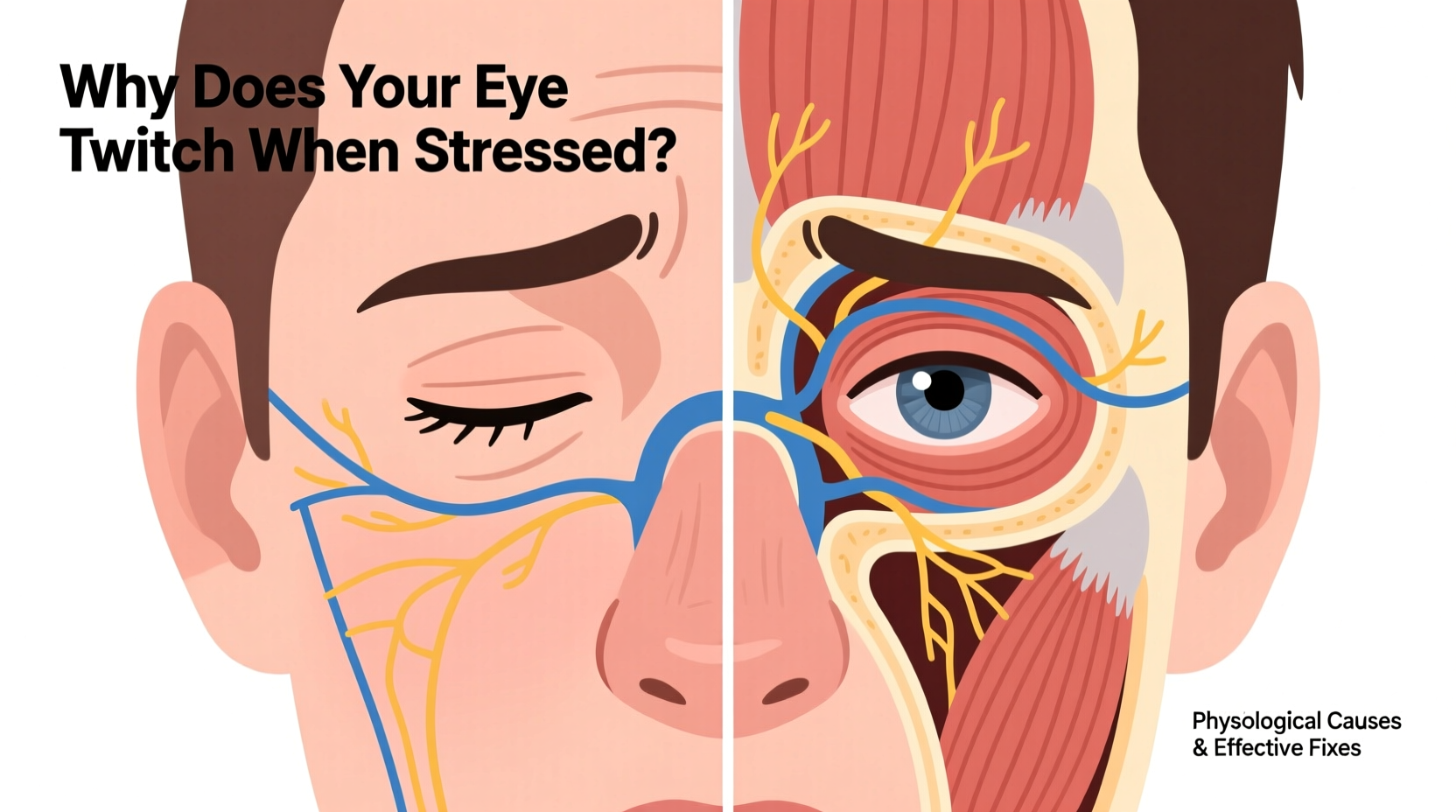
Eye twitching, medically known as *myokymia*, occurs when the muscles around the eyelid fire off involuntary micro-contractions. These are typically caused by overactivity in the nerves that control the orbicularis oculi muscle—the thin band of muscle encircling the eye. Under normal conditions, nerve signals are regulated precisely. But stress disrupts this balance.
When you're stressed, your body activates the sympathetic nervous system—the \"fight-or-flight\" response. This leads to a cascade of hormonal and neurological changes: adrenaline and cortisol flood the bloodstream, heart rate increases, and muscles tense in preparation for action. Even small facial muscles, including those around the eyes, become hyperexcitable. The constant low-grade tension can cause neurons to misfire, triggering tiny, repetitive contractions in the eyelid.
Additionally, stress often leads to poor sleep, increased caffeine intake, and skipped meals—all of which further destabilize neuromuscular function. Magnesium and potassium levels, critical for proper nerve signaling, may drop due to poor diet or increased excretion during stress. This electrolyte imbalance makes nerves more prone to erratic firing.
“Chronic stress doesn’t just affect mood—it rewires the nervous system. Minor spasms like eye twitching are often early signs of neurological fatigue.” — Dr. Alan Reyes, Neurologist, Stanford Health
Key Triggers That Amplify Eye Twitching During Stress
While stress is the primary catalyst, it rarely acts alone. Several co-factors intensify the likelihood and duration of eyelid spasms:
- Sleep Deprivation: Lack of quality sleep reduces the brain’s ability to regulate motor signals, increasing muscle excitability.
- Caffeine Overload: Stimulants heighten nervous system activity, making twitching more likely—even hours after consumption.
- Dry Eyes: Stress can reduce blink rate during focused tasks (like screen work), leading to ocular dryness and irritation that triggers twitching.
- Nutrient Deficiencies: Low levels of magnesium, calcium, and B vitamins impair nerve-muscle communication.
- Eye Strain: Prolonged screen exposure forces eye muscles to work harder, creating fatigue that manifests as twitching.
Effective Fixes: From Immediate Relief to Long-Term Prevention
Addressing stress-induced eye twitching requires both short-term interventions and long-term lifestyle adjustments. The goal isn’t just to stop the spasm, but to restore nervous system equilibrium.
Immediate Relief Strategies
When the twitch starts, these steps can calm the nervous system and reduce muscle activity within minutes:
- Apply a Warm Compress: Soak a clean cloth in warm (not hot) water and place it over closed eyes for 5–10 minutes. Heat relaxes tense muscles and improves blood flow.
- Perform Gentle Eye Massage: Using your ring finger, lightly massage the area around the twitching eyelid in circular motions. Avoid pressing directly on the eyeball.
- Blink Consciously: Close your eyes fully and slowly for 20 seconds. Repeat several times to rehydrate the ocular surface and reset muscle tone.
- Reduce Visual Load: Step away from screens. Close your eyes or focus on a distant object for a few minutes to relieve strain.
Long-Term Physiological Adjustments
To prevent recurrence, address the root causes through sustainable habits:
- Regulate sleep: Aim for 7–8 hours of uninterrupted sleep per night.
- Limit caffeine: Restrict intake to under 200mg daily (about one strong coffee).
- Hydrate consistently: Dehydration affects electrolyte balance and nerve function.
- Practice diaphragmatic breathing: Just 5 minutes of slow, deep breaths can lower cortisol and calm neural overactivity.
Do’s and Don’ts: Managing Stress-Related Eye Twitching
| Do | Don't |
|---|---|
| Do practice mindfulness or meditation – Reduces baseline stress hormones and improves nervous system regulation. | Don't ignore persistent twitching – Lasting beyond 3 weeks may indicate underlying neurological issues. |
| Do increase magnesium-rich foods – Spinach, almonds, avocados, and pumpkin seeds support neuromuscular health. | Don't rub your eyes aggressively – Can worsen irritation and trigger more spasms. |
| Do use artificial tears if eyes feel dry – Especially during prolonged screen use. | Don't self-diagnose with serious conditions – Most twitches are benign; anxiety about them can perpetuate the cycle. |
A Real-Life Example: How One Professional Resolved Chronic Twitching
Sarah, a 34-year-old project manager in Seattle, began experiencing left eyelid twitching during a major product launch. At first, she dismissed it as fatigue. But after two weeks of worsening spasms—accompanied by headaches and insomnia—she consulted a neurologist.
Her evaluation revealed no structural issues, but her lifestyle assessment showed red flags: she was drinking four energy drinks daily, sleeping less than six hours, and working 12-hour stretches without breaks. Blood tests indicated borderline low magnesium and elevated cortisol.
Following a tailored plan—cutting caffeine, adding magnesium supplements, implementing a nightly wind-down routine, and scheduling hourly screen breaks—her twitch resolved within 10 days. More importantly, her overall energy and focus improved significantly.
Sarah’s case illustrates how easily modern work culture can tip the nervous system into dysfunction—and how targeted, physiological corrections can yield rapid results.
Step-by-Step Guide to Eliminate Stress-Induced Eye Twitching
If you’re currently dealing with an active twitch, follow this five-day protocol to regain control:
- Day 1: Assess & Reset
Track your caffeine, sleep, and screen time. Eliminate all stimulants after noon. Go to bed 30 minutes earlier. - Day 2: Hydrate & Nourish
Drink at least 2 liters of water. Add a magnesium-rich meal (e.g., spinach salad with nuts and avocado). Use lubricating eye drops. - Day 3: Relax the Nervous System
Practice 10 minutes of box breathing (4 seconds in, 4 hold, 4 out, 4 hold). Apply warm compress twice daily. - Day 4: Reduce Visual Strain
Follow the 20-20-20 rule: every 20 minutes, look at something 20 feet away for 20 seconds. Dim screen brightness. - Day 5: Evaluate Progress
By now, twitching should be reduced or gone. If not, consider consulting a healthcare provider to rule out deficiencies or neurological factors.
Frequently Asked Questions
Is eye twitching a sign of a serious medical condition?
In most cases, no. Occasional eyelid twitching is benign and resolves on its own. However, if twitching spreads to other facial areas, causes eyelid drooping, or persists beyond three weeks, consult a neurologist. Rarely, it can be linked to conditions like blepharospasm or hemifacial spasm.
Can lack of sleep really cause eye twitching?
Yes. Sleep deprivation disrupts the autonomic nervous system and impairs the brain’s ability to regulate muscle activity. Even one night of poor sleep can trigger twitching in sensitive individuals.
Does screen time make eye twitching worse?
Absolutely. Staring at digital screens reduces blink rate by up to 60%, leading to dry eyes and muscle fatigue. Blue light exposure may also stimulate the nervous system, exacerbating twitching in stressed individuals.
Conclusion: Take Control Before It Escalates
Eye twitching during stress is more than a quirky bodily glitch—it’s a physiological signal that your nervous system is overloaded. Ignoring it may lead to chronic tension, sleep disruption, and worsening symptoms. The good news is that simple, science-backed strategies can restore balance quickly. By addressing hydration, nutrition, rest, and visual habits, you can stop the twitch and build greater resilience against stress.




 浙公网安备
33010002000092号
浙公网安备
33010002000092号 浙B2-20120091-4
Comments
No comments yet. Why don't you start the discussion?