
It starts subtly—a slight flutter beneath your left or right eye. At first, you might dismiss it as fatigue. But when the twitching persists for days, even weeks, and coincides with a stressful period in your life, it becomes hard to ignore. You’re not alone. Millions experience this involuntary spasm, medically known as *myokymia*, and stress is one of its most common triggers. While usually harmless, persistent eye twitching can be annoying, distracting, and sometimes a signal that your body needs rest and recalibration.
This article explores the physiological connection between stress and eye twitching, identifies contributing factors, and offers actionable, evidence-based strategies to find relief. Whether you're dealing with occasional flutters or chronic spasms, understanding the root causes empowers you to take control.
The Science Behind Stress-Induced Eye Twitching
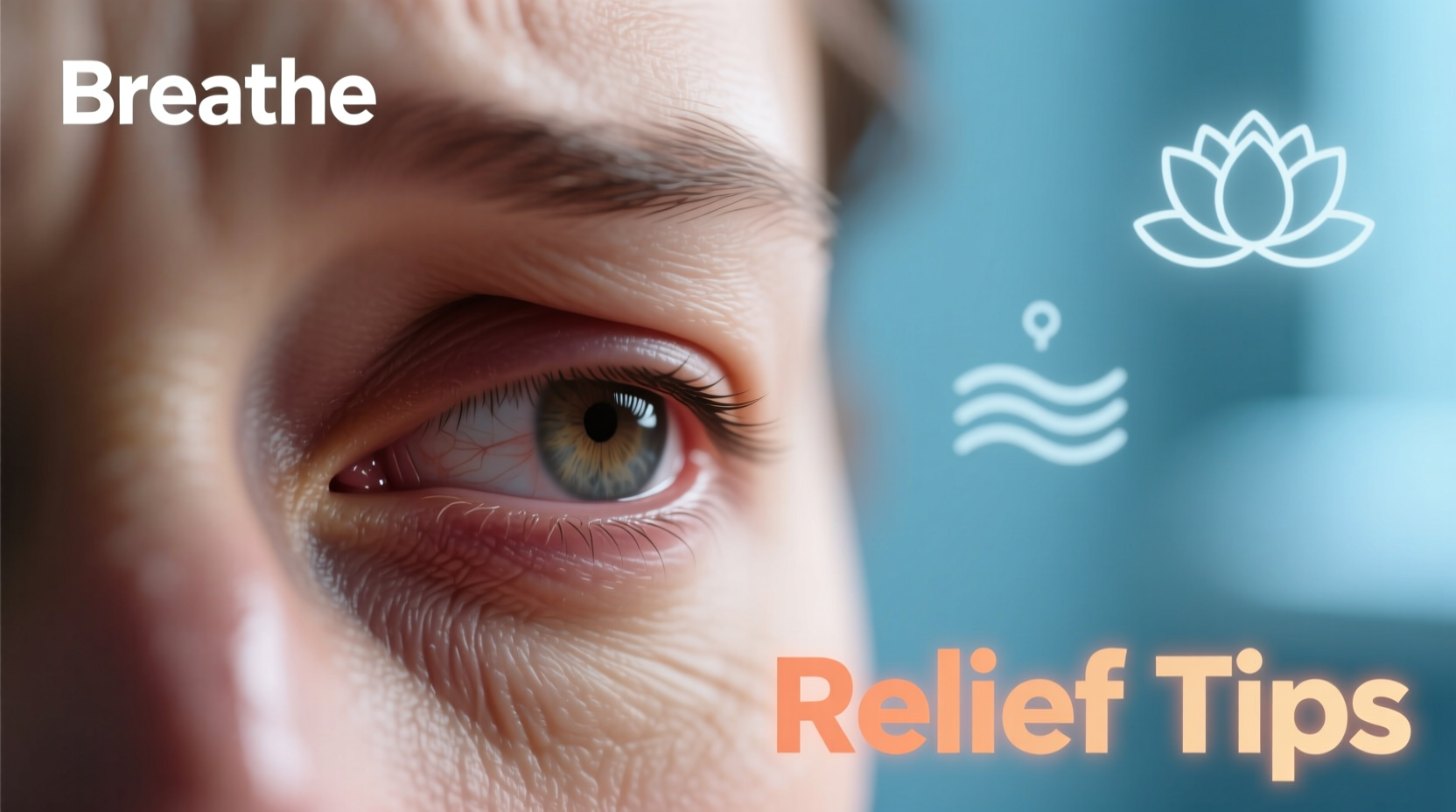
Eye twitching occurs when the orbicularis oculi muscle—the small muscle around the eyelid—contracts involuntarily. These contractions are typically brief and localized, but under certain conditions, they become more frequent or prolonged. Stress plays a central role in triggering these episodes through several interconnected pathways.
When you experience stress, your body activates the sympathetic nervous system, releasing hormones like cortisol and adrenaline. These chemicals prepare you for \"fight or flight,\" increasing heart rate, sharpening focus, and tensing muscles—including those in the face. Over time, sustained stress leads to neuromuscular overexcitability, where nerve signals fire erratically, causing muscles to twitch without conscious control.
Additionally, stress often disrupts sleep patterns and contributes to poor dietary habits, both of which further destabilize neurological function. Lack of quality sleep reduces the brain’s ability to regulate motor neurons effectively, while deficiencies in magnesium, potassium, and B vitamins—common during high-stress periods—can increase muscle excitability.
“Chronic stress doesn’t just affect mood—it directly impacts neuromuscular communication. The eyelid is one of the first places this imbalance shows up.” — Dr. Lena Patel, Neurologist and Sleep Specialist
Contributing Factors That Worsen Stress-Related Twitching
While stress is a primary trigger, it rarely acts alone. Several co-factors amplify the likelihood and severity of eye twitching:
- Caffeine intake: High consumption of coffee, energy drinks, or soda stimulates the central nervous system, increasing neural firing and muscle tension.
- Digital eye strain: Prolonged screen time reduces blink rate, leading to dry eyes and increased ocular muscle fatigue.
- Sleep deprivation: Less than 6–7 hours of sleep per night impairs neurotransmitter regulation, making twitching more likely.
- Dehydration: Even mild dehydration affects electrolyte balance, essential for proper nerve signaling.
- Anxiety disorders: Generalized anxiety or panic attacks intensify autonomic nervous system activity, perpetuating muscle spasms.
Effective Relief Strategies: A Step-by-Step Guide
Managing stress-induced eye twitching requires a multi-pronged approach. Here’s a practical, step-by-step plan to reduce and eliminate symptoms:
- Assess and reduce stressors: Identify sources of chronic stress—work deadlines, relationship conflicts, financial pressure. Use journaling or mindfulness apps to gain clarity on emotional triggers.
- Implement a wind-down routine: Begin 60 minutes before bed. Turn off screens, dim lights, and engage in calming activities like reading, stretching, or deep breathing.
- Limit stimulants: Reduce caffeine intake, especially after noon. Replace coffee with herbal teas like chamomile or rooibos.
- Improve hydration and nutrition: Drink at least 2 liters of water daily. Include magnesium-rich foods (spinach, almonds, avocado) and B-vitamin sources (eggs, legumes, whole grains).
- Practice the 20-20-20 rule: Every 20 minutes, look at something 20 feet away for 20 seconds to reduce digital eye strain.
- Apply warm compresses: Use a clean cloth soaked in warm water. Place it over closed eyes for 5–10 minutes twice daily to relax muscles and improve circulation.
- Try gentle eye exercises: Roll your eyes slowly in circles, blink rapidly for 30 seconds, then close and rest. Repeat 2–3 times a day.
Real-Life Example: How Sarah Reduced Her Eye Twitching in One Week
Sarah, a 34-year-old project manager, began experiencing persistent right-eye twitching during a major product launch. Working 12-hour days, surviving on coffee, and sleeping less than six hours nightly, she initially dismissed the twitch as temporary. After two weeks, it worsened, affecting her concentration and confidence in meetings.
She consulted her doctor, who ruled out neurological issues and suggested lifestyle adjustments. Sarah followed the seven-step guide above: she cut her caffeine from four cups to one, started using blue-light filters on her devices, and began a nightly routine of warm compresses and 10 minutes of diaphragmatic breathing. Within five days, the twitching decreased significantly. By day ten, it had stopped entirely.
“I didn’t realize how much my body was screaming for rest,” Sarah said. “Once I treated the stress, not just the symptom, everything changed.”
Do’s and Don’ts: Quick Reference Table
| Do | Don’t |
|---|---|
| Get 7–8 hours of quality sleep | Pull all-nighters or nap excessively during the day |
| Stay hydrated with water and herbal teas | Rely on energy drinks or sugary sodas |
| Use artificial tears if eyes feel dry | Rub your eyes vigorously |
| Practice mindfulness or meditation | Ignore signs of burnout or chronic fatigue |
| Seek professional help if twitching lasts over 3 weeks | Self-diagnose or assume it’s always benign |
When to See a Doctor
In most cases, stress-related eye twitching resolves within days or weeks with lifestyle changes. However, certain red flags warrant medical evaluation:
- Twitching persists beyond three weeks despite self-care efforts.
- The spasm spreads to other parts of the face or causes eyelid closure (a condition called *blepharospasm*).
- You experience redness, swelling, discharge, or drooping eyelids.
- The twitching interferes with vision or daily functioning.
Rarely, chronic twitching may indicate underlying conditions such as:
- Benign essential blepharospasm: A progressive neurological disorder causing involuntary eye closure.
- Hemifacial spasm: Caused by blood vessel compression of facial nerves.
- Multiple sclerosis or Parkinson’s disease: Though uncommon, eye twitching can be an early sign.
If any of these apply, consult a neurologist or ophthalmologist. Diagnostic tools like electromyography (EMG) or MRI scans may be recommended.
FAQ: Common Questions About Eye Twitching and Stress
Can anxiety cause only one eye to twitch?
Yes. Anxiety increases overall neuromuscular tension, but twitching often appears in one eye due to minor asymmetries in nerve sensitivity or muscle use. It doesn’t necessarily indicate a problem unless it spreads or worsens.
Is eye twitching a sign of a stroke?
No, isolated eyelid twitching is not a sign of stroke. Stroke symptoms include sudden weakness, slurred speech, facial drooping, and confusion. If twitching is accompanied by these, seek emergency care immediately—but twitching alone is not a stroke indicator.
How long does stress-induced eye twitching last?
Most episodes last a few minutes to hours and resolve within a week. With effective stress management, symptoms typically disappear within 7–14 days. Chronic cases lasting over three weeks should be evaluated by a healthcare provider.
Prevention Checklist: Stop Twitching Before It Starts
Preventing recurrence means building resilience against stress and supporting nervous system health. Use this checklist weekly:
- ✅ Limit caffeine to under 200mg per day (about one strong coffee)
- ✅ Get at least 7 hours of uninterrupted sleep
- ✅ Take screen breaks every 20 minutes
- ✅ Drink 8–10 glasses of water daily
- ✅ Eat one magnesium-rich food per day
- ✅ Practice 5 minutes of box breathing (inhale 4 sec, hold 4 sec, exhale 4 sec, hold 4 sec)
- ✅ Apply a warm compress to eyes 2x/day
- ✅ Journal about stressors at least twice a week
Conclusion: Listen to Your Body’s Subtle Signals
Eye twitching isn’t just a minor annoyance—it’s a physiological message. When stress manifests physically, it’s a sign your nervous system is overloaded. Ignoring it may lead to more serious consequences like burnout, insomnia, or chronic tension headaches. By responding with compassion and practical action, you restore balance not only to your eyes but to your entire well-being.
The strategies outlined here—reducing stimulants, improving sleep, managing digital strain, and practicing relaxation—are simple, accessible, and backed by science. Start with one change today. Whether it’s swapping your afternoon latte for herbal tea or setting a bedtime alarm, small steps create lasting results.




 浙公网安备
33010002000092号
浙公网安备
33010002000092号 浙B2-20120091-4
Comments
No comments yet. Why don't you start the discussion?