
Ferrets are energetic, curious animals that thrive on playtime. Their playful antics—zooming through tunnels, pouncing on toys, and darting across rooms—are a joy to watch. But if you've noticed your ferret sneezing repeatedly during or after these bursts of activity, it’s natural to wonder whether this is normal or a sign of an underlying issue. While occasional sneezing can be harmless, frequent or persistent sneezing during play may point to environmental irritants, allergies, infections, or even anatomical quirks. Understanding the causes and knowing how to respond ensures your ferret stays happy, healthy, and full of energy.
Understanding Ferret Sneezing: Normal vs. Problematic
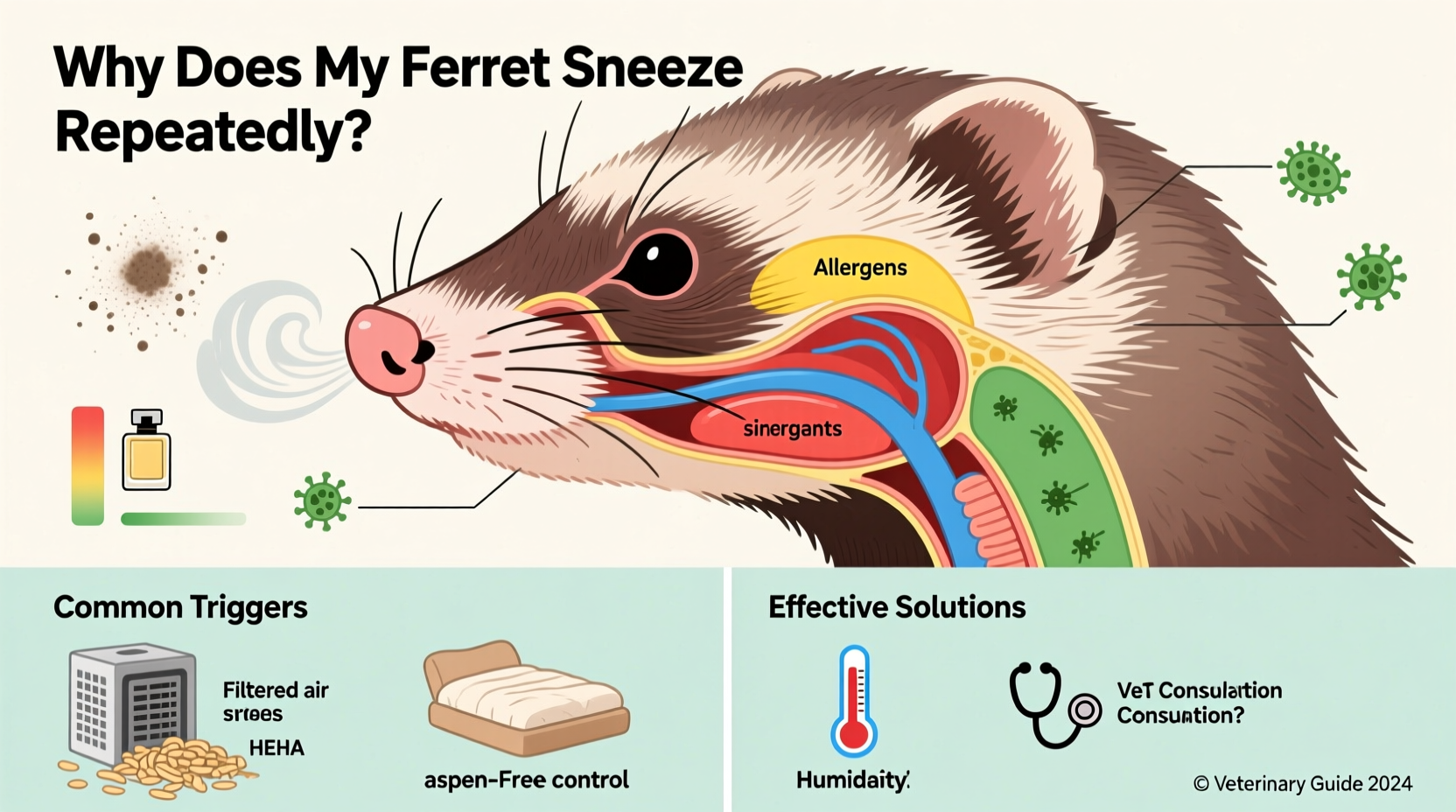
Sneezing in ferrets, like in humans, is a reflex action designed to clear irritants from the nasal passages. A single sneeze now and then, especially during vigorous play, isn’t necessarily alarming. However, repeated sneezing—particularly when accompanied by other symptoms—can signal a problem.
Normal sneezing typically occurs:
- In response to dust or sudden changes in air quality
- When excited or breathing rapidly during play
- After exploring new environments with unfamiliar scents
Problematic sneezing may include:
- Multiple sneezes in succession during every play session
- Nasal discharge (clear, yellow, or green)
- Lethargy, reduced appetite, or labored breathing
- Wheezing or sniffling between sneezes
Repeated sneezing during play often indicates that something in the environment or routine is triggering irritation. Identifying the root cause is essential before it escalates into a respiratory infection or chronic condition.
Common Triggers of Playtime Sneezing in Ferrets
Several factors can provoke sneezing specifically during play. Because ferrets breathe more rapidly and deeply when active, they’re more likely to inhale airborne particles that go unnoticed at rest. Below are the most common culprits:
Dust from Bedding or Litter
Ferret-safe bedding like paper-based or aspen shavings can still produce fine dust. When your ferret dives into its bedding or rolls around during play, microscopic particles become airborne and enter the nasal passages. Clay-based litters are especially problematic due to high dust levels.
Airborne Allergens and Irritants
Cleaning products, air fresheners, perfumes, or scented candles can linger in the air and trigger reactions. Even laundry detergents used on cage liners or play mats may emit residual fragrances that bother sensitive ferret noses.
Pollen and Seasonal Allergies
Like humans, ferrets can suffer from seasonal allergies. If windows are open or outdoor air circulates indoors, pollen levels may spike during spring or fall, leading to increased sneezing—especially during physical exertion.
Low Humidity or Dry Air
Heated indoor environments, particularly in winter, create dry air that dries out mucous membranes. This makes nasal tissues more sensitive and prone to irritation during rapid breathing.
Toy Materials and Fillings
Some soft toys contain polyester fiberfill or synthetic fabrics that shed microfibers. When chewed or tossed during play, these materials release particles into the air. Older or poorly maintained toys may also harbor mold or dust mites.
Underlying Respiratory Infections
Bacterial or viral infections such as influenza, bordetella, or canine distemper (in unvaccinated ferrets) can cause sneezing. These conditions often worsen with exertion, making play sessions a catalyst for noticeable symptoms.
“Ferrets have delicate respiratory systems. What seems like a minor irritation to us can quickly develop into bronchitis or pneumonia if left unchecked.” — Dr. Rachel Nguyen, Exotic Animal Veterinarian
Step-by-Step Guide to Diagnose and Address the Issue
If your ferret sneezes repeatedly during play, follow this structured approach to identify and resolve the cause:
- Isolate the Timing: Confirm that sneezing occurs only during or immediately after play. If it happens at rest too, suspect illness rather than environmental triggers.
- Inspect the Play Area: Check for dust buildup, strong odors, recent cleaning product use, or new items introduced (toys, rugs, sprays).
- Switch to Low-Dust Alternatives: Replace dusty bedding with recycled paper pellets or fleece liners. Use non-clumping, dust-free litter made from wood or corn.
- Deep-Clean Toys and Accessories: Wash all fabric toys and tunnels weekly with fragrance-free detergent. Discard any that are frayed or difficult to clean.
- Improve Ventilation: Ensure the room has adequate airflow without drafts. Consider using an air purifier with a HEPA filter to reduce airborne particles.
- Monitor Humidity Levels: Maintain indoor humidity between 40% and 60%. Use a humidifier in dry climates or heated homes.
- Eliminate Scented Products: Stop using air fresheners, scented candles, or perfumed cleaning agents near your ferret’s space.
- Consult a Veterinarian: If sneezing persists beyond 48 hours after environmental changes, schedule an exam to rule out infections or allergies.
Do’s and Don’ts: Managing Ferret Sneezing Triggers
| Do’s | Don’ts |
|---|---|
| Use unscented, hypoallergenic cleaning products | Use pine or cedar shavings—they release harmful phenols |
| Choose toys made of safe rubber or fleece | Give plush toys filled with foam beads or low-quality stuffing |
| Vacuum and dust the play area regularly | Allow cigarette smoke or vaping near your ferret |
| Wash your hands before handling your ferret if you’ve used lotions or perfumes | Use aerosol sprays in the same room where your ferret plays |
| Introduce new items gradually and monitor reactions | Ignore persistent sneezing lasting more than two days |
Mini Case Study: Bella the Playful Ferret
Bella, a 2-year-old female ferret, loved her daily play sessions in the living room. Her owner, Mark, noticed she began sneezing multiple times each time she played, especially after rolling in her tunnel system. Initially, he dismissed it as excitement. But when Bella started producing a slight nasal discharge, he grew concerned.
Following advice from his exotic vet, Mark reviewed Bella’s environment. He discovered that the cardboard-based litter he’d recently switched to was breaking down into fine dust. Additionally, he had placed a scented reed diffuser nearby to “freshen” the room. After switching to a low-dust pellet litter and removing the diffuser, Bella’s sneezing stopped within 36 hours. The vet confirmed no infection was present—just environmental irritation.
This case highlights how subtle changes in the home can significantly impact a ferret’s respiratory health, especially during high-activity periods.
When to Worry: Signs It’s More Than Just Irritation
While many cases of playtime sneezing resolve with simple adjustments, some symptoms require urgent veterinary attention:
- Sneezing that continues long after play ends
- Thick, discolored nasal discharge (yellow or green)
- Coughing, wheezing, or open-mouth breathing
- Loss of appetite or decreased activity level
- Sneezing accompanied by eye discharge or crustiness
- Head tilting or balance issues (possible ear or neurological involvement)
Ferrets are masters at hiding illness. By the time symptoms are obvious, an infection may already be progressing. Early intervention improves outcomes significantly.
Preventive Checklist for Healthy Play Sessions
To minimize the risk of sneezing and ensure your ferret enjoys safe, irritation-free play, follow this actionable checklist:
- ✅ Use only dust-free, unscented bedding and litter
- ✅ Clean toys, tunnels, and play mats weekly with mild, fragrance-free soap
- ✅ Avoid using air fresheners, essential oil diffusers, or scented candles nearby
- ✅ Vacuum and damp-mop the play area at least twice a week
- ✅ Store cleaning supplies and chemicals in sealed cabinets away from ferret zones
- ✅ Wash your hands before play if you’ve used hand lotion, perfume, or makeup
- ✅ Ensure good ventilation without direct drafts on your ferret
- ✅ Schedule annual wellness exams with an exotic animal vet
- ✅ Keep vaccinations up to date (especially distemper and rabies, where applicable)
- ✅ Monitor humidity and use a humidifier if indoor air is dry
Frequently Asked Questions
Can ferrets get allergies like humans?
Yes, ferrets can develop sensitivities to environmental allergens such as pollen, dust mites, mold, and certain foods. While true allergic reactions are less common than irritant responses, they can manifest as sneezing, itching, or skin inflammation. A vet can help differentiate between allergy and irritation through examination and testing.
Is it normal for my ferret to sneeze once in a while?
Occasional sneezing—such as one or two sneezes during play or exploration—is generally normal. It’s the body’s way of clearing minor irritants. However, repeated or forceful sneezing, especially when paired with other symptoms, should not be ignored.
Could my ferret have caught a cold from me?
Yes. Ferrets are susceptible to human influenza viruses. If you’ve been sick recently and your ferret develops sneezing, lethargy, and fever, contact your vet immediately. Isolate your ferret to prevent transmission and avoid close contact until both are well.
Conclusion: Keep Playtime Safe and Sneezing-Free
Repeated sneezing during play isn’t something to overlook, but it’s often fixable with thoughtful changes to your ferret’s environment. Most cases stem from preventable irritants—dusty bedding, scented products, or poor air quality—that are easily corrected. By paying attention to the details of your ferret’s surroundings and habits, you can eliminate triggers and support their vibrant health.
Remember, ferrets rely on you to interpret their subtle cues. A sneeze might seem small, but it can be the first whisper of discomfort. Responding early with care and awareness ensures your playful companion stays energetic, engaged, and free from unnecessary stress.




 浙公网安备
33010002000092号
浙公网安备
33010002000092号 浙B2-20120091-4
Comments
No comments yet. Why don't you start the discussion?