
If you've opened your front load washer only to be greeted by a damp, sour odor reminiscent of mildew or old gym clothes, you're not alone. Musty smells in front-loading washing machines are surprisingly common—and frustrating. Unlike top loaders, front load washers operate with tighter seals, lower water usage, and less airflow, creating the perfect breeding ground for mold and bacteria. But here's the good news: this problem is both preventable and fixable. With the right knowledge and routine, you can eliminate that persistent stench and keep your machine fresh for years.
The Science Behind the Smell
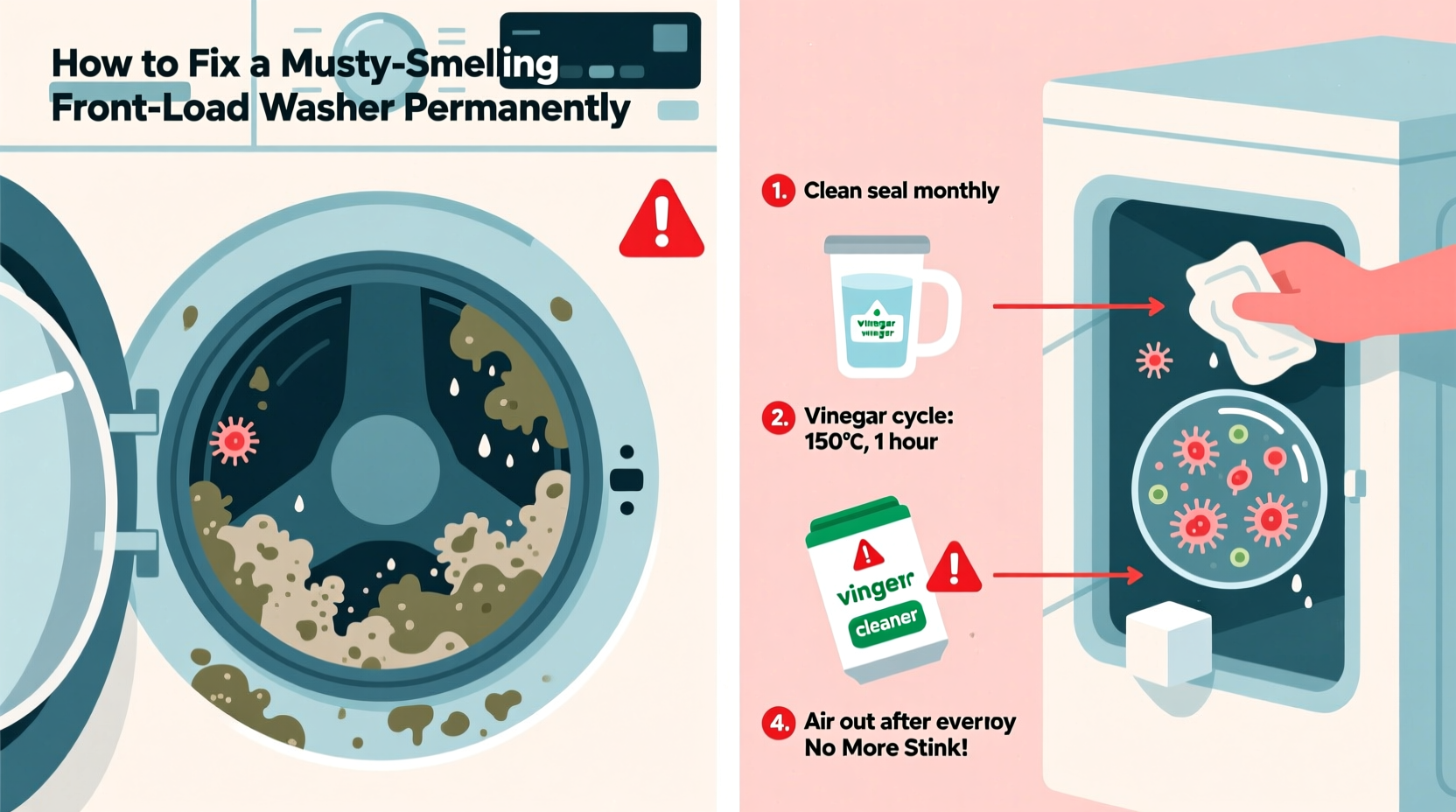
Front load washers are designed to be energy-efficient and gentle on fabrics, using less water and spinning at higher speeds than their top-loading counterparts. However, these same features contribute to moisture retention. The rubber door gasket, detergent drawer, and internal drain pump trap small amounts of water after each cycle. When combined with residual soap, lint, and organic debris, this stagnant moisture becomes a haven for mold, mildew, and bacteria—especially Actinomycetes, the microorganisms responsible for earthy, musty odors.
The issue often starts subtly. You might notice a faint dampness after a few months, then a stronger sour smell during or after cycles. Over time, without intervention, the odor intensifies and can even transfer to your clean laundry, defeating the entire purpose of washing.
“Moisture-trapping design elements in front-load washers make them prone to microbial growth if not properly maintained.” — Dr. Linda Chen, Microbiologist and Home Appliance Researcher
Where the Problem Starts: Key Trouble Zones
To fix the smell permanently, you need to understand where it originates. Most musty odors stem from one or more of the following areas:
- Rubber Door Gasket: The seal around the door traps water and collects lint, hair, and soap scum. Its deep folds are especially prone to mold buildup.
- Detergent Dispenser Drawer: Liquid detergents and fabric softeners leave sticky residues that harden over time and attract microbes.
- Drain Pump Filter: Located at the bottom front of most models, this filter catches debris but can become clogged and smelly if not cleaned regularly.
- Inner Drum and Hoses: Biofilm—a slimy layer of bacteria—can form on the drum walls and within internal hoses, especially if low-temperature washes are frequent.
- Ventilation System (if present): Some high-efficiency models have air vents that can get blocked, reducing drying efficiency and promoting dampness.
Step-by-Step Guide to Eliminate the Smell Permanently
Fixing a musty front loader isn’t just about running a hot cycle. It requires targeted cleaning of all critical zones. Follow this comprehensive 7-step process to restore freshness and prevent recurrence.
- Run a Hot Cleaning Cycle with White Vinegar
Pour 2 cups of distilled white vinegar into the detergent dispenser. Run the hottest, longest cycle available (usually “Clean Washer” or “Sanitize”). Vinegar dissolves mineral deposits, kills many types of bacteria, and removes mild odors. - Clean the Rubber Door Gasket
Pull back the gasket carefully and inspect all folds. Use a microfiber cloth soaked in a solution of equal parts water and vinegar (or bleach, if safe for your model) to wipe away visible mold. Pay close attention to the bottom fold, where water pools. Rinse thoroughly and dry with a clean towel. - Remove and Clean the Detergent Drawer
Most drawers can be popped out with a gentle pull. Soak in warm vinegar water for 30 minutes, then scrub crevices with an old toothbrush. Rinse and dry completely before reinserting. - Clear the Drain Pump Filter
Place a towel under the filter access panel (usually at the front lower corner). Open slowly to drain any standing water. Remove the filter, clean off debris, and rinse under running water. Check for foreign objects like coins or socks. Reinstall securely. - Wipe Down the Drum and Door
After the hot vinegar cycle, use a vinegar-dampened cloth to wipe the inside of the drum and glass door. This removes lingering biofilm and prevents condensation-related odor. - Use Baking Soda for Neutralization
Run a second cycle with 1 cup of baking soda added directly to the drum. Baking soda neutralizes acidic odors and further cleans residues without damaging components. - Inspect Drain Hoses and Ventilation
If the smell persists, check the drain hose for kinks or blockages. Ensure it’s elevated properly (using a loop) to prevent siphoning. For models with air vents, ensure they’re unobstructed and dust-free.
Prevention Checklist: Keep Your Washer Fresh Long-Term
Once the smell is gone, maintaining freshness is key. Use this checklist weekly and monthly to avoid future issues.
- Wipe the door gasket with a dry cloth.
- Leave the door and detergent drawer open overnight.
- Remove wet clothes immediately after cycles.
- Run a cleaning cycle with vinegar or manufacturer-approved cleaner.
- Inspect and clean the drain filter.
- Check the detergent drawer for residue.
- Deep-clean the gasket folds with a disinfectant solution.
- Inspect hoses for cracks or leaks.
- Verify proper drainage and spin performance.
Common Mistakes That Make the Problem Worse
Many homeowners unknowingly exacerbate the issue. Here are the most common errors and what to do instead:
| Mistake | Why It’s Harmful | Better Alternative |
|---|---|---|
| Using too much detergent | Excess suds trap moisture and leave sticky residue that feeds bacteria. | Use HE (high-efficiency) detergent and follow dosage guidelines—often just 1–2 tablespoons. |
| Using fabric softener in liquid form | Coats drum and hoses, reducing cleaning efficiency and trapping odors. | Switch to dryer balls or use softener sparingly; consider wool dryer balls. |
| Running only cold water cycles | Fails to kill bacteria and dissolve oils effectively. | Run a hot cycle monthly, even if washing clothes in cold. |
| Leaving the door sealed after use | Traps humidity inside the drum and gasket. | Always crack the door open post-wash to allow drying. |
| Ignoring the filter | Allows sludge buildup, leading to poor drainage and foul smells. | Clean the filter every 1–3 months depending on usage. |
Real Example: How Sarah Fixed Her 5-Year-Old Washer
Sarah had been dealing with a worsening smell in her Samsung front loader for over a year. She tried running empty hot cycles and even replaced the detergent, but the odor returned within days. Frustrated, she considered replacing the $1,200 machine—until she discovered the root cause.
During a weekend cleaning session, she removed the detergent drawer and found a thick, black slime coating its rear compartment. The rubber gasket was equally grim: mold had formed in the lowest fold, invisible unless pulled aside. After following the full cleaning process—including a vinegar cycle, baking soda flush, and manual gasket scrubbing—the smell vanished. She now leaves the door ajar and runs a cleaning cycle every six weeks. Two years later, her washer still runs smoothly and smells neutral.
“I wasted so much money on odor-absorbing pods,” she said. “All I needed was a cloth, vinegar, and five minutes of attention.”
When to Call a Professional
Most musty smells can be resolved at home. However, seek professional help if:
- The odor returns within days despite thorough cleaning.
- You notice slow drainage or error codes related to pumping.
- There’s visible mold behind the drum or inside internal hoses.
- The machine vibrates excessively or fails to spin properly.
In such cases, a technician can disassemble the unit, inspect hidden components, and replace damaged seals or pumps. Persistent microbial growth may also indicate a deeper plumbing or ventilation issue requiring expert diagnosis.
Frequently Asked Questions
Can I use bleach to clean my front load washer?
Yes, but with caution. Bleach is effective at killing mold and bacteria, but it can degrade rubber gaskets and certain plastics over time. Use it no more than once every 2–3 months, diluted properly (½ cup in a hot cycle), and never mix it with vinegar—it creates toxic chlorine gas.
Are washing machine cleaning tablets worth it?
Some are effective, but many contain harsh chemicals that can damage sensitive components. They also don’t replace manual cleaning of the gasket and filter. For best results, use them occasionally as a supplement—not a substitute—for deep cleaning.
Why does my washer smell worse after using fabric softener?
Liquid fabric softeners coat the drum, hoses, and dispenser with oily residues that trap moisture and organic matter. This creates a biofilm that emits foul odors. Switch to dryer balls or measured-use softener to minimize buildup.
Conclusion: Take Control of Your Washer’s Health
A musty front load washer isn’t a life sentence. The smell is a symptom of neglect, not inevitable decay. By understanding how moisture and residue interact in high-efficiency machines, you gain the power to stop odors before they start. Regular maintenance—simple habits like wiping the gasket, using the right detergent, and running periodic cleaning cycles—can extend your washer’s life and keep your laundry genuinely fresh.
Don’t wait for the stench to worsen. Implement the steps outlined here today, and reclaim the cleanliness your washing machine was designed to deliver. A little proactive care goes a long way in turning a smelly appliance into a reliable, odor-free workhorse.




 浙公网安备
33010002000092号
浙公网安备
33010002000092号 浙B2-20120091-4
Comments
No comments yet. Why don't you start the discussion?