
It starts subtly—a faint odor when you turn on the faucet. Then, over time, every use of the kitchen sink releases a wave of rotting food stench from your garbage disposal. You're not alone. Millions of homeowners deal with this unpleasant issue, often assuming it's a sign of a broken unit or permanent buildup. The truth is, foul odors from a garbage disposal are usually caused by organic debris trapped in hard-to-reach areas, where bacteria thrive and produce smelly gases. The good news? Most cases can be resolved quickly with simple tools and common household items.
This guide explains the root causes of garbage disposal odors, offers science-backed cleaning methods, and provides long-term prevention strategies so your kitchen stays fresh and functional.
What Causes Garbage Disposal Smells?
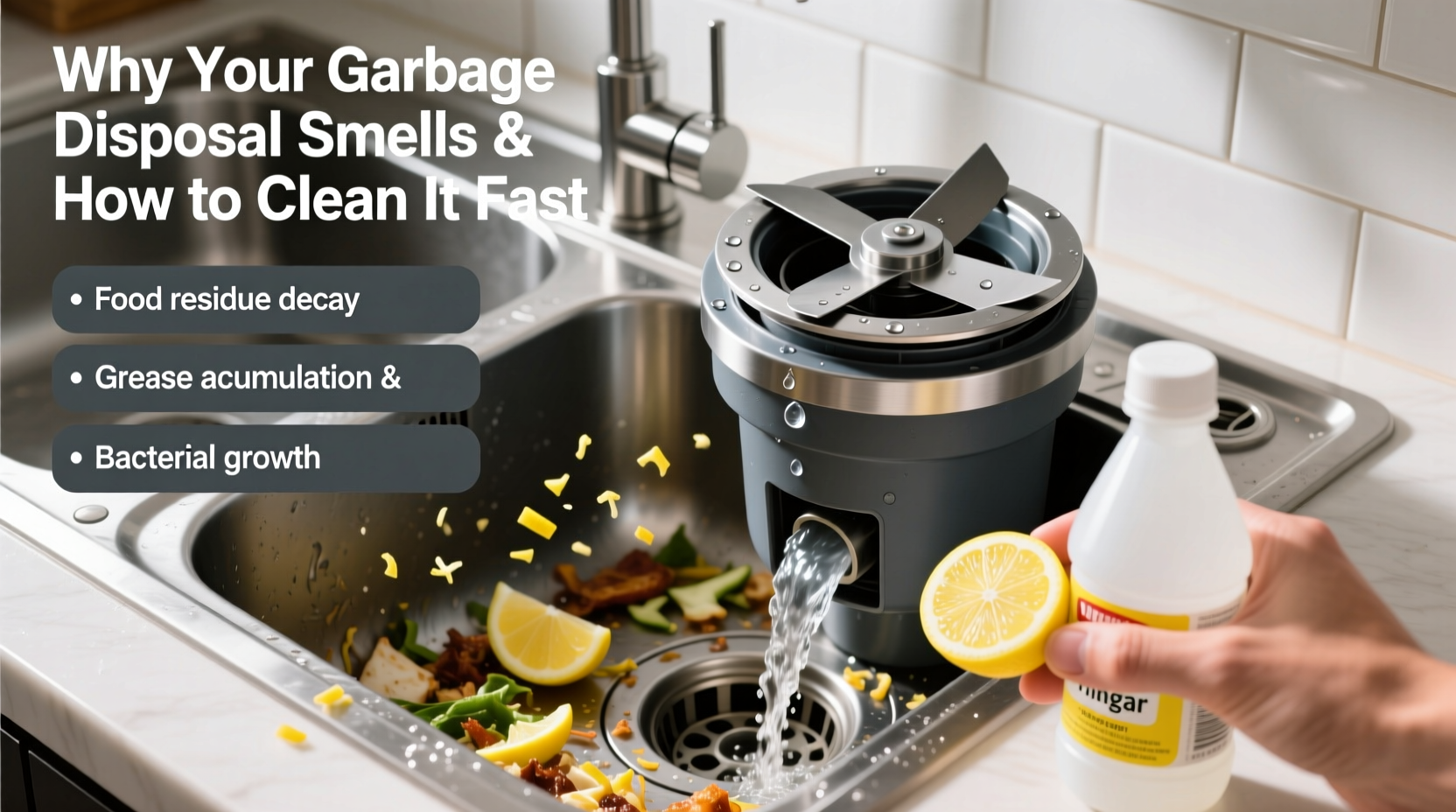
The primary reason garbage disposals develop odors lies in their design and usage. While these units are built to grind food waste, they don’t eliminate all particles. Small bits of fibrous vegetables, grease, meat scraps, and starches get lodged in crevices around the impellers, rubber baffle, and drain walls. Over time, this trapped organic matter decomposes, creating an ideal breeding ground for odor-causing bacteria like *Pseudomonas* and *Enterobacter*.
Moisture retention worsens the problem. Unlike dishwashers or ovens, disposals operate in a dark, damp environment—perfect for microbial growth. Without regular cleaning, biofilm forms: a slimy layer of microorganisms that clings to surfaces and resists water flow. This film not only produces persistent smells but can also reduce grinding efficiency and contribute to clogs.
Other contributing factors include:
- Frequent disposal of oily or greasy foods – These coat internal components and trap more debris.
- Infrequent use – Units left idle allow stagnant water and residue to accumulate.
- Pouring coffee grounds regularly – Despite popular belief, they don’t sharpen blades; instead, they build up sediment.
- Lack of proper rinsing after use – Failing to run water before and after grinding leaves behind wet waste.
“Odor in a garbage disposal isn’t just unpleasant—it’s a sign of bacterial colonization. Regular maintenance disrupts microbial colonies before they become entrenched.” — Dr. Linda Chen, Microbiologist & Indoor Air Quality Specialist
Fast & Effective Ways to Clean Your Garbage Disposal
Cleaning a smelly garbage disposal doesn’t require harsh chemicals or professional service in most cases. With the right approach, you can eliminate odors in under 15 minutes using supplies already in your pantry.
Step-by-Step Deep Cleaning Routine
Follow this proven method to restore freshness fast:
- Turn off power at the circuit breaker. Safety first—ensure the unit cannot activate during cleaning.
- Remove visible debris. Use tongs or pliers (never hands) to extract any large stuck objects under the splash guard.
- Clean the rubber baffle (splash guard). Pull it down gently and scrub both sides with a toothbrush dipped in baking soda paste.
- Spray interior surfaces. Mix equal parts white vinegar and water in a spray bottle. Spray all accessible inner walls and let sit for 5 minutes.
- Add ½ cup baking soda directly into the disposal chamber.
- Pour 1 cup white vinegar over the baking soda. Let the fizzing reaction work for 10 minutes.
- Flush with hot water. Turn the power back on and run hot tap water while turning on the disposal for 30 seconds.
- Grind citrus peels. Feed lemon, lime, or orange rinds into the running disposal to deodorize and clean blades.
Alternative Cleaning Methods by Situation
Different types of buildup call for different solutions. Below is a comparison of targeted techniques based on odor severity and cause.
| Method | Best For | How It Works | Frequency |
|---|---|---|---|
| Baking Soda + Vinegar | Mild to moderate odor | Foaming action lifts grime and neutralizes acids | Weekly |
| Ice Cubes + Rock Salt | Blade buildup and gunk on impellers | Ice scrubs surfaces; salt acts as abrasive | Every 2 weeks |
| Citrus Peels + Baking Soda | Deodorizing and grease cutting | Limonene in peels breaks down oils; baking soda absorbs smells | After heavy use |
| Dish Soap + Cold Water Flush | Grease residue | Cold water solidifies fat for easier grinding; soap emulsifies oil | After cooking with fats |
| Hydrogen Peroxide (3%) | Strong bacterial growth or mold | Kills microbes on contact; disinfects without chlorine fumes | Monthly or as needed |
When to Use Hydrogen Peroxide
If your disposal emits a musty, sewage-like smell, microbial contamination may be advanced. In such cases, hydrogen peroxide is more effective than vinegar due to its superior germ-killing properties. After removing visible debris, pour ½ cup of 3% hydrogen peroxide into the disposal and let it sit for 15 minutes. Follow with a thorough rinse using cold water. This method reduces both odor and potential allergens released into the air during operation.
Real-Life Example: A Busy Family’s Fix
The Martinez family in Portland noticed a worsening rotten egg smell every time they used their kitchen sink. They avoided running the disposal altogether, leading to more food waste accumulation. After researching solutions, they followed the baking soda and vinegar method one Saturday morning. During inspection, they found a small piece of corn husk wedged beneath the splash guard—likely the source of prolonged decay.
They cleaned the rubber flap thoroughly, performed the foaming treatment, and finished with lemon peels. Within minutes, the odor vanished. To prevent recurrence, they implemented a weekly cleaning schedule and stopped disposing of potato peels and onion skins, which had been frequent contributors. Six months later, no odor has returned.
Their experience highlights two key points: physical obstructions often go unnoticed, and consistent upkeep beats emergency fixes.
Do’s and Don’ts of Garbage Disposal Maintenance
Avoid common mistakes that accelerate odor development. The following table outlines essential practices to adopt—and those to eliminate immediately.
| Do’s | Don’ts |
|---|---|
| Run cold water before, during, and after use | Use hot water to flush waste (melts grease, causing re-solidification further down) |
| Grind citrus peels weekly | Put fibrous foods like celery, artichokes, or banana peels down the disposal |
| Clean the splash guard monthly | Ignore lingering smells—address them early |
| Use ice cubes to sharpen blades and dislodge buildup | Dispose of coffee grounds, pasta, rice, or eggshells regularly |
| Schedule monthly deep cleans | Use chemical drain cleaners—they can damage disposal components |
Prevention Checklist: Keep Your Disposal Fresh
Eliminating current odors is important, but preventing future ones ensures lasting results. Follow this checklist to maintain a clean, odor-free unit:
- ✅ Rinse plates before scraping leftovers—don’t rely on the disposal as a trash can.
- ✅ Run cold water for at least 15 seconds before and after each use.
- ✅ Grind citrus peels once a week to naturally deodorize.
- ✅ Wipe the splash guard with a vinegar-soaked cloth biweekly.
- ✅ Avoid putting grease, oil, or fatty meats down the drain.
- ✅ Perform a full cleaning (baking soda + vinegar) once a month.
- ✅ Inspect for stuck debris every few months.
- ✅ Install an air gap or vent filter if odors persist despite cleaning.
Frequently Asked Questions
Can I use bleach to clean my garbage disposal?
No. Bleach can corrode metal components and react poorly with residual food particles, potentially releasing toxic fumes. It also fails to remove biofilm effectively. Stick to non-corrosive options like vinegar, baking soda, or hydrogen peroxide.
Why does my disposal still smell after cleaning?
If odors return quickly, the issue may extend beyond the disposal itself. Check the P-trap or drainpipe under the sink—rotten debris can accumulate there and emit smells back up. Remove the pipe and clean it manually if necessary. Also, ensure the dishwasher hose (if connected) isn’t backing up contaminated water.
Is it safe to put ice cubes in the disposal?
Yes—and recommended. Ice cubes help scrape buildup off the impellers and sidewalls. For enhanced cleaning, freeze trays of water mixed with rock salt or vinegar, then grind them slowly. This combination boosts abrasion and disinfection.
Conclusion: Take Control of Your Kitchen’s Freshness
A smelly garbage disposal doesn’t mean replacement is imminent. In most cases, the fix is simple, affordable, and within reach. Understanding the biological and mechanical reasons behind the odor empowers you to act swiftly and effectively. Whether you choose the classic baking soda and vinegar method or opt for targeted treatments like hydrogen peroxide or ice-salt scrubs, consistency is key.
More importantly, shift your mindset: treat your garbage disposal like any other appliance that requires routine care. Just as you wipe countertops or empty the trash, incorporate quick cleaning habits into your kitchen routine. Doing so prevents larger issues, extends the life of your unit, and keeps your home smelling fresh.




 浙公网安备
33010002000092号
浙公网安备
33010002000092号 浙B2-20120091-4
Comments
No comments yet. Why don't you start the discussion?