
It’s a familiar scenario: you send a text, check your phone every few minutes, and hours pass without a response. You start wondering—am I being ignored? Did I say something wrong? Is she losing interest? While delayed replies can stir anxiety, they rarely mean what we first assume. In reality, the reasons behind slow texting are often practical, emotional, or even cultural. Understanding them requires empathy, communication, and a shift in expectations.
Texting has become a primary mode of connection in modern relationships, but it's also one of the most misinterpreted. Unlike face-to-face interaction, digital messages lack tone, context, and immediacy. What feels like indifference may simply be a difference in communication style. Before jumping to conclusions, it's important to explore the full picture.
Communication Styles Are Not One-Size-Fits-All
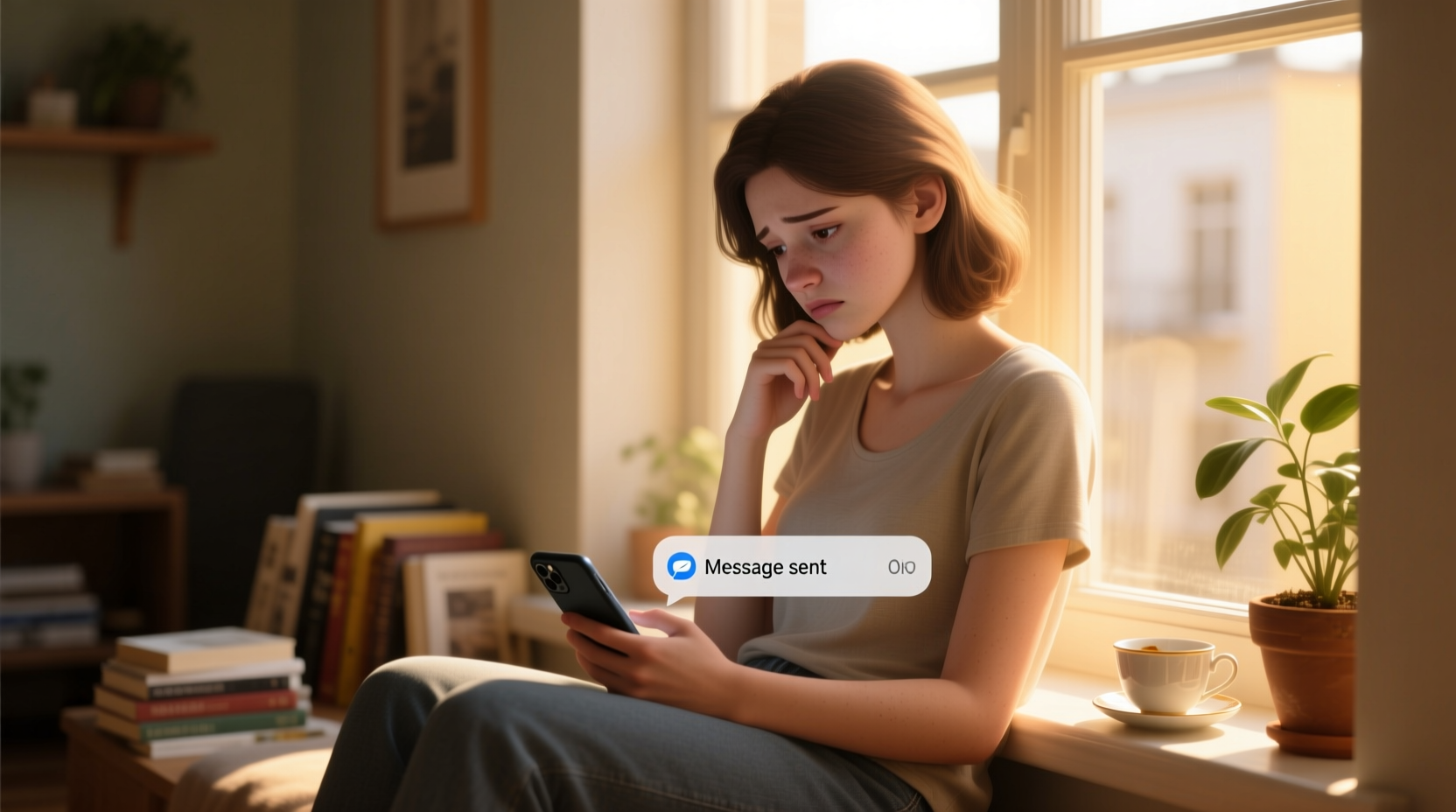
People process and respond to messages differently based on personality, upbringing, and lifestyle. Some individuals are “high responders”—they feel compelled to answer immediately. Others operate on a “low-response” rhythm, viewing texts as asynchronous conversations rather than urgent exchanges.
Your girlfriend might fall into the latter category. She may not see texting as a time-sensitive activity. For her, replying when she’s ready—rather than right away—isn’t disrespectful; it’s respectful of her own attention and priorities.
Psychologists note that attachment styles also play a role. Someone with an anxious attachment may panic over unread messages, while someone with an avoidant or secure style may feel no pressure to respond quickly. If you’re anxious and she’s secure or avoidant, this mismatch can create tension—even if both partners care deeply.
Lifestyle and Practical Realities Matter
Modern life is busy. Work deadlines, family responsibilities, social commitments, and personal downtime all compete for attention. Just because someone *can* reply instantly doesn’t mean they *should*—or even that they’re able to.
Consider these common scenarios:
- Work demands: She may be in meetings, teaching, managing clients, or in a job where phone use is restricted.
- Mental bandwidth: After a long day, cognitive fatigue makes even simple replies feel overwhelming.
- Phone habits: Some people batch-check messages once or twice a day instead of reacting in real time.
- Privacy concerns: She might not feel comfortable replying from work, around family, or in public spaces.
In many cases, the delay isn’t about you at all—it’s about her environment, energy levels, or current obligations.
Emotional and Psychological Factors
Some people hesitate before replying because they want to craft a thoughtful message. They may worry about tone, come across the “right” way, or avoid seeming too eager. This perfectionism, especially common among women socialized to prioritize others’ feelings, can lead to overthinking and delays.
Others may delay responses due to emotional overwhelm. If she’s dealing with stress, anxiety, or relationship uncertainty, engaging in conversation—even a casual text exchange—can feel like a burden. It’s not rejection; it’s self-preservation.
“We often interpret silence as disinterest, but for many, it’s a sign of emotional processing. Taking space isn’t withdrawal—it’s integration.” — Dr. Lena Torres, Relationship Psychologist
Additionally, some individuals experience “text anxiety,” where the pressure to respond perfectly creates paralysis. They see your message, intend to reply, but keep putting it off until the window of spontaneity passes.
Technology and Notification Habits
Not everyone keeps their phone within arm’s reach 24/7. Some people turn off notifications, use grayscale mode, or follow digital minimalism practices to reduce screen dependency. These healthy boundaries often result in slower response times—but they reflect intentionality, not neglect.
Also consider:
- She might have accidentally dismissed the notification.
- Her phone could be on silent or out of battery.
- She may not trust auto-read receipts and avoids opening messages until she can reply properly.
Assuming she sees every message the moment it arrives sets unrealistic expectations. Even if she does, that doesn’t mean she’s available—or emotionally equipped—to respond.
What You Can Do: A Constructive Approach
If slow replies are causing frustration, the solution isn’t nagging or passive-aggressive messages. Instead, focus on understanding and alignment. Here’s how:
1. Reflect on Your Own Expectations
Ask yourself: Why does timing matter so much? Is it insecurity? Fear of abandonment? Or simply habit? Identifying your emotional triggers helps you respond with awareness, not reactivity.
2. Initiate a Calm Conversation
Choose a neutral moment—offline, ideally—and express your feelings without blame. Use “I” statements: “I sometimes feel uncertain when I don’t hear back quickly. Can we talk about how we both prefer to communicate?”
3. Align on Communication Norms
Every couple should establish mutual expectations. Do you need daily check-ins? Is it okay to go hours (or days) without texting? Agreeing on rhythms reduces misunderstandings.
4. Respect Autonomy
Healthy relationships allow space. Pressuring someone to reply faster can erode trust and create resentment. Let her know you value her presence—not just her availability.
Checklist: Responding to Slow Texts with Emotional Intelligence
- Pause before reacting—don’t assume intent.
- Examine your own attachment patterns and triggers.
- Consider her daily routine and potential distractions.
- Ask, don’t accuse: “I noticed replies have been slow—everything okay?”
- Suggest a communication agreement tailored to both your needs.
- Avoid double-texting or guilt-tripping.
- Reinforce security by saying, “No rush—I’m here when you’re ready.”
Real Example: When Delayed Replies Saved a Relationship
Mark and Sarah had been dating for six months when he started feeling uneasy. He’d send playful morning texts and wait hours for a reply. He assumed she was losing interest. After weeks of quiet frustration, he brought it up gently: “I love hearing from you. I’ve noticed it takes a while to get a response—does that mean you’re not into chatting?”
Sarah was surprised. “I didn’t realize it bothered you,” she said. “I teach third grade, and I don’t check my phone during school hours. I save messages for after 4 p.m. when I can give you my full attention.”
That conversation shifted everything. Mark realized her delay wasn’t coldness—it was professionalism and presence. They agreed that weekday mornings were low-contact, with deeper conversations in the evenings. The change didn’t speed up her replies, but it eliminated his anxiety.
Do’s and Don’ts of Texting in Relationships
| Do | Don’t |
|---|---|
| Clarify expectations early in the relationship | Assume your partner shares your texting pace |
| Use voice notes or calls for complex/emotional topics | Rely solely on text for serious conversations |
| Respect boundaries around work or downtime | Send multiple messages when unanswered |
| Express appreciation when they do reply | Open with criticism (“Finally!”) |
| Agree on emergency contact methods | Punish or withdraw affection over slow replies |
FAQ: Common Questions About Slow Texting
Is it normal for my girlfriend to take hours to reply?
Yes, it’s completely normal. Many people prioritize presence over promptness. As long as she engages meaningfully when she responds and respects agreed-upon boundaries, timing alone isn’t a red flag.
Could slow replies mean she’s losing interest?
Possibly, but only if accompanied by other signs: shorter messages, lack of initiative, avoiding plans, or emotional distance. A single behavior like delayed texting isn’t enough to diagnose disengagement. Look at the whole pattern.
Should I stop texting her if she takes forever?
No—but adjust your approach. If your messages consistently go unanswered for days without explanation, it may be time to reassess. But if she replies thoughtfully and stays engaged otherwise, match her rhythm instead of leading with yours.
Conclusion: Building Trust Beyond the Read Receipt
The obsession with instant replies says more about our culture’s impatience than it does about individual relationships. In a world of constant connectivity, the ability to wait—and to trust—has become a rare strength.
Instead of measuring love by response time, measure it by consistency, warmth, and effort over time. Does she make time for you when it matters? Does she show up emotionally? Do you feel valued when you’re together?
If the answer is yes, then the gap between your texts and her replies is not a chasm—it’s breathing room.




 浙公网安备
33010002000092号
浙公网安备
33010002000092号 浙B2-20120091-4
Comments
No comments yet. Why don't you start the discussion?