
Guinea pigs are among the most expressive small pets, communicating constantly through a range of sounds that can puzzle even attentive owners. One of the most common concerns new and experienced caregivers share is: Why does my guinea pig squeak loudly? The answer lies in understanding their rich vocal language. Unlike many rodents, guinea pigs rely heavily on sound to express needs, emotions, and social cues. By learning to interpret these vocalizations—especially loud squeaks—you can respond more effectively, strengthen your bond, and ensure your pet’s well-being.
The Science Behind Guinea Pig Vocalizations
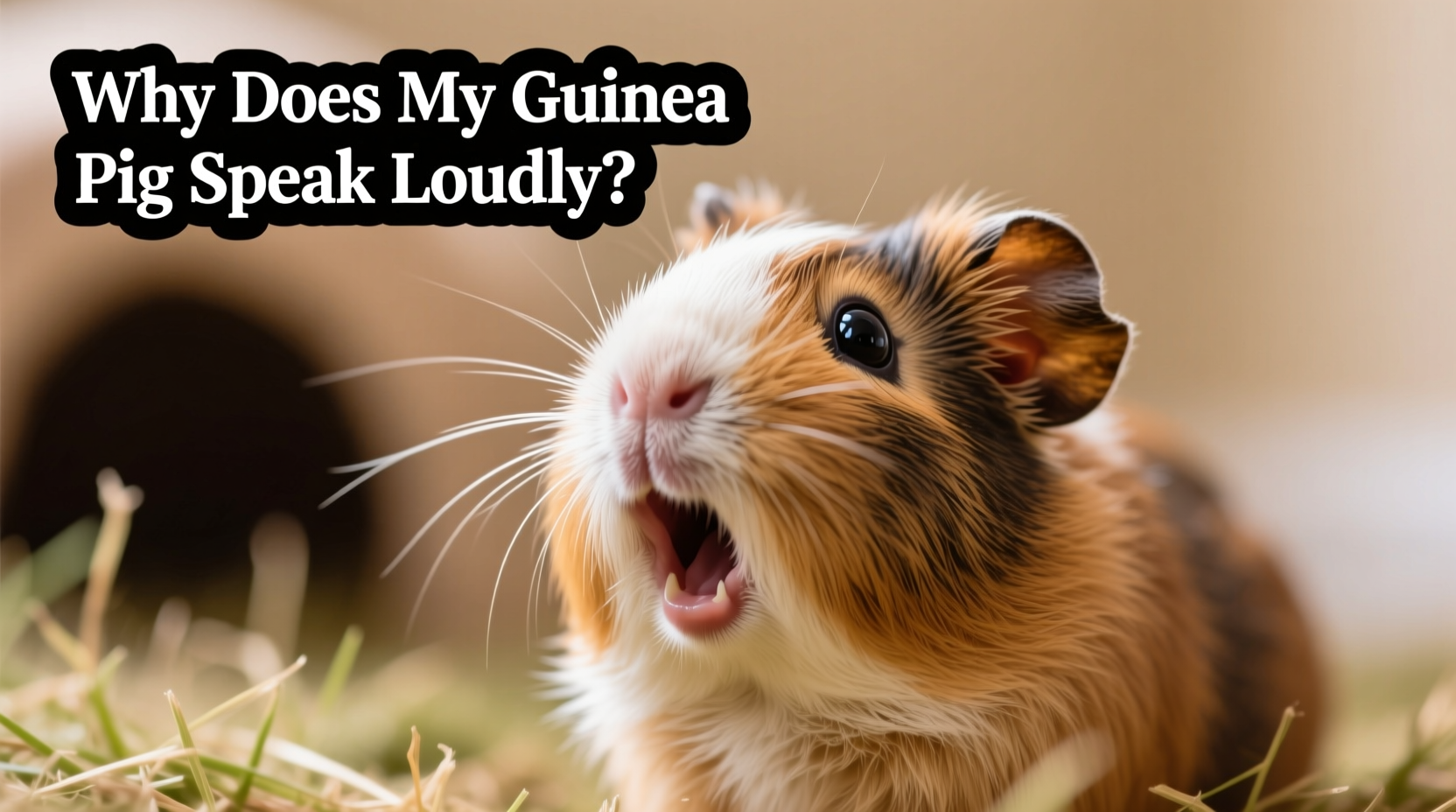
Guinea pigs evolved as social herd animals in the Andes Mountains, where communication was essential for survival. In the wild, they live in tight-knit groups and use vocal signals to warn of predators, establish hierarchy, locate offspring, and maintain group cohesion. Even in domestic settings, this instinct remains strong. Their vocal repertoire includes over ten distinct sounds, each serving a specific purpose.
Neurological studies show that guinea pigs have well-developed auditory processing centers, allowing them to differentiate subtle variations in pitch, duration, and frequency. This sensitivity enables them to react quickly to changes in their environment or social dynamics. When your guinea pig emits a loud squeak—often called a \"wheek\"—it's not random noise but a targeted form of communication shaped by evolution.
“Guinea pigs are vocal virtuosos. Their squeaks, purrs, and chuttles serve as emotional barometers. Learning them is like learning a second language—one that deepens the human-animal bond.” — Dr. Lena Torres, Exotic Animal Behavior Specialist
Common Types of Squeaks and What They Mean
Not all squeaks are the same. The context, tone, frequency, and accompanying body language determine what your guinea pig is trying to convey. Below is a breakdown of the most common types of loud vocalizations and their meanings:
- Wheeking: A high-pitched, repetitive squeal usually heard when food is involved. It’s an anticipatory sound, similar to a dog barking at mealtime.
- Chutting/Rumbling: A low, rhythmic vibration often paired with a vibrating body or raised fur. This indicates dominance or mating behavior, especially in males.
- Purring: Soft, gentle vibrations signal contentment. However, a high-pitched purr may indicate discomfort.
- Shrieking/Alarm Call: A sudden, piercing scream signifies fear or pain. Immediate attention is required.
- Whining: A drawn-out, softer squeak indicating mild distress, boredom, or a desire for interaction.
Decoding the Loud Squeak: Context Is Everything
A loud squeak isn’t inherently negative—it depends on the situation. Here’s how to interpret it accurately:
Feeding Time Excitement (Positive)
If your guinea pig wheeks the moment you enter the kitchen or pick up a vegetable bag, they’ve associated those actions with food. This is normal and healthy. Over time, they’ll learn the routine and may wheek less if fed consistently.
Social Isolation (Stressful)
Loud, persistent squeaking when alone may indicate loneliness. Guinea pigs are highly social and suffer from separation anxiety. If housed singly, they may call out seeking companionship. Consider adopting a compatible companion unless medical or behavioral issues prevent it.
Pain or Discomfort (Urgent)
A sudden, sharp squeal during handling or movement could signal injury or illness. Common issues include urinary tract infections, dental pain, or gastrointestinal discomfort. Note any changes in appetite, droppings, or mobility.
Environmental Stressors (Preventable)
Loud noises, sudden movements, or unfamiliar scents can trigger alarm squeaks. Guinea pigs have sensitive hearing and may react strongly to vacuum cleaners, shouting, or other pets approaching their enclosure.
| Vocalization | Tone & Pattern | Common Triggers | Action Required |
|---|---|---|---|
| Wheeking | High-pitched, repetitive | Food preparation, owner presence | None (normal anticipation) |
| Alarm Squeal | Sharp, one-time scream | Fear, pain, sudden threat | Immediate inspection for injury or stressor |
| Loneliness Call | Repetitive, lower-pitched squeak | Being left alone, no cage mate | Provide enrichment or consider pairing |
| Mating Rumble | Low, vibrating purr with squeaks | Male courting female | Separate if breeding not intended |
Step-by-Step Guide to Responding to Loud Squeaks
When your guinea pig squeaks loudly, follow this logical sequence to assess and respond appropriately:
- Pause and Listen: Determine the type of squeak—is it a wheek, shriek, or whine?
- Observe Body Language: Check for signs of fear (flattened ears), pain (hunched posture), or excitement (running in circles).
- Assess the Environment: Identify potential stressors—loud sounds, predators nearby, temperature extremes.
- Check for Physical Needs: Is it feeding time? Is water available? Are there clean bedding and hiding spots?
- Monitor Interaction Patterns: Does the squeaking occur only when handled? Only when alone? This helps isolate causes.
- Intervene if Necessary: Remove threats, offer comfort, or consult a vet if pain is suspected.
- Document Changes: Keep a brief log of vocalizations and triggers to identify trends over time.
“At first, I thought my guinea pig was just noisy. But after tracking her squeaks for a week, I realized she shrieked every time the cat walked past her cage. Moving her to a quieter room stopped the behavior completely.” — Maria K., pet owner from Portland
Creating a Calm Environment to Reduce Unwanted Squeaking
While some vocalizations are natural, excessive or distressed squeaking can be minimized with thoughtful care:
- Provide a Companion: Pair bonded guinea pigs unless contraindicated by health or temperament.
- Enrich the Habitat: Offer tunnels, hay huts, chew toys, and rotating puzzles to prevent boredom.
- Maintain Routine: Feed, clean, and interact at consistent times daily to reduce anxiety.
- Control Noise Levels: Place cages away from TVs, kitchens, or high-traffic areas.
- Handle Gently: Support their entire body when picking them up to avoid fear-based screams.
FAQ: Common Questions About Guinea Pig Squeaking
Is it normal for my guinea pig to squeak at night?
Yes, guinea pigs are crepuscular—most active at dawn and dusk. Occasional nighttime vocalizations are normal, especially if they hear movement or want attention. However, frequent or distressed squeaking at night may indicate discomfort, hunger, or environmental disturbances.
My guinea pig squeaks when I pick them up. Should I be worried?
It depends. If the squeak is brief and followed by calm behavior, they may simply be startled. But if they scream, struggle, or remain tense, they could be fearful or in pain. Practice gentle handling, support their hind legs, and build trust through regular, positive interactions.
Can guinea pigs squeak in their sleep?
Rarely. While they may make soft grunts or shifts, loud squeaking during sleep is unusual and could indicate nightmares, discomfort, or overhearing external noises. Ensure their sleeping area is dark, quiet, and at a comfortable temperature (65–75°F).
Action Checklist: Improving Communication With Your Guinea Pig
To better understand and respond to your guinea pig’s vocalizations, follow this practical checklist:
- ✅ Spend 10–15 minutes daily observing vocal patterns and behaviors.
- ✅ Record unusual or intense squeaks in a journal with time, trigger, and response.
- ✅ Schedule a wellness checkup with an exotic veterinarian annually.
- ✅ Introduce a companion if your guinea pig is solitary and shows signs of loneliness.
- ✅ Eliminate known stressors (e.g., loud appliances, predator exposure).
- ✅ Reinforce positive associations with treats during calm interactions.
- ✅ Learn to distinguish between excited wheeking and distressed screaming.
Conclusion: Listening Closely Builds Trust
Your guinea pig’s loud squeak is not just noise—it’s a message. Whether they’re calling for food, expressing fear, or reaching out for connection, each sound offers insight into their inner world. By learning to decode these vocalizations, you move beyond basic care to meaningful companionship. You become not just a caregiver, but a fluent listener in their unique language.
Start today by setting aside quiet time to observe and respond. Note the differences in tone, timing, and context. Over weeks, you’ll recognize patterns and build a deeper, more intuitive relationship. These small creatures have big feelings—and when we take the time to listen, they reward us with trust, affection, and joyful wheeks of recognition.




 浙公网安备
33010002000092号
浙公网安备
33010002000092号 浙B2-20120091-4
Comments
No comments yet. Why don't you start the discussion?