
Sweating is a natural bodily function designed to regulate temperature, but when it interacts with your scalp and hair, it can lead to an unpleasant odor that lingers long after your workout or a hot day. Unlike body odor from underarms, smelly hair is often overlooked—yet just as noticeable. The scent isn't caused by sweat itself, but rather by what happens when sweat meets bacteria, oils, and product buildup on your scalp. Understanding the root causes and adopting targeted hygiene practices can make a dramatic difference in how your hair smells—and feels—throughout the day.
This issue affects people of all hair types and textures. Whether you have curly, straight, fine, thick, short, or long hair, post-sweat odor can be a frustrating problem. The good news: it’s preventable with the right knowledge and routine adjustments.
The Science Behind Smelly Hair After Sweating
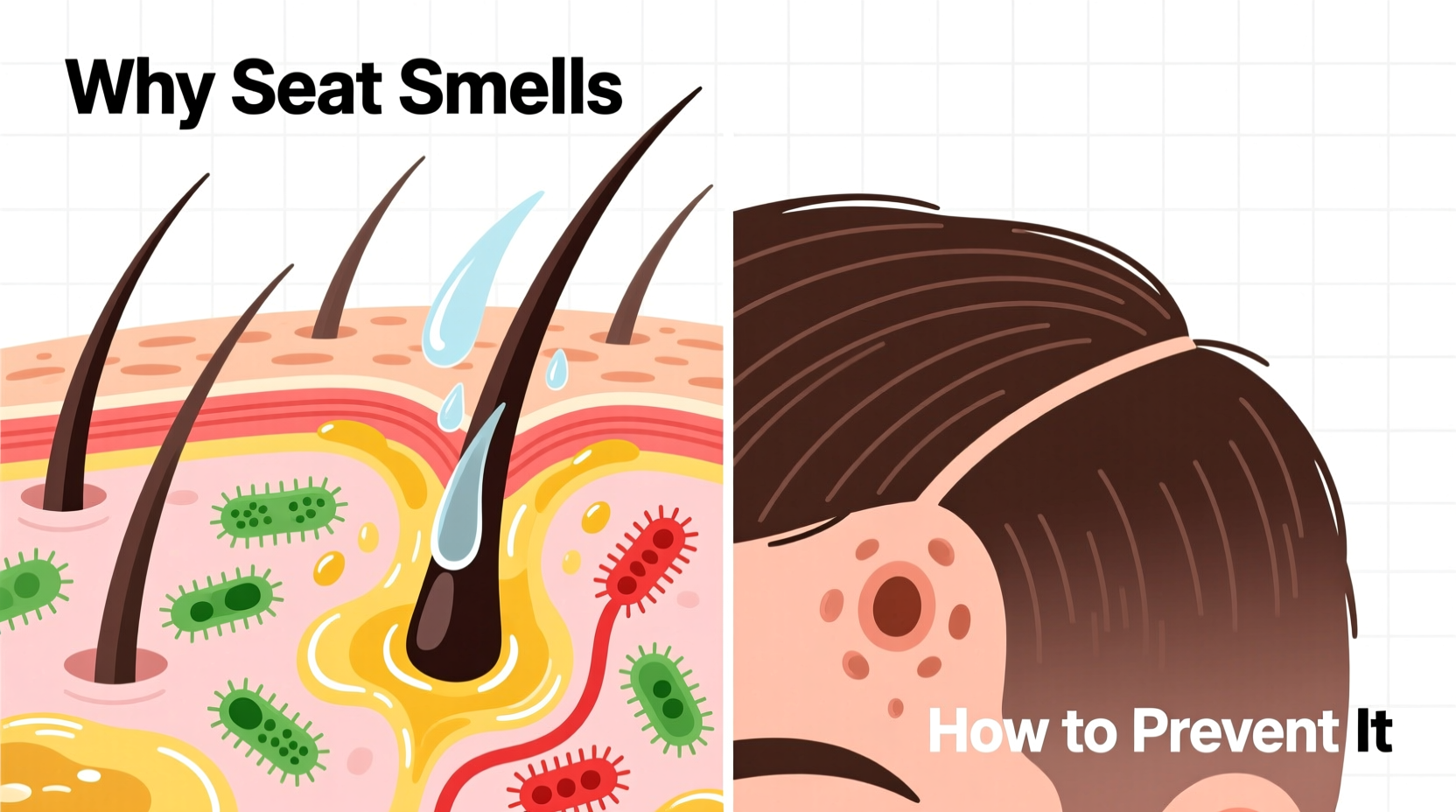
Sweat, on its own, is mostly odorless. It's composed primarily of water, salt, and trace minerals. However, when it reaches the surface of your scalp, it creates a damp environment where naturally occurring bacteria thrive. These microbes feed on sebum (your scalp’s natural oil), dead skin cells, and leftover styling products. As they break down these substances, they release volatile organic compounds—gases that produce the sour, musty, or sometimes vinegary smell associated with sweaty hair.
Your scalp hosts several types of bacteria, including Propionibacterium and Staphylococcus, both of which are known contributors to odor production. When sweat increases moisture levels and raises pH temporarily, it disrupts the scalp’s microbial balance, allowing odor-causing strains to multiply rapidly.
In addition, individuals who use heavy conditioners, leave-in treatments, or dry shampoos may experience more pronounced smells because these products can trap moisture and provide additional food for bacteria. Over time, this leads to persistent odor even between washes.
“Sweat doesn’t stink—it’s the bacterial metabolism on the skin and hair that produces malodorous byproducts.” — Dr. Lena Patel, Dermatologist & Trichology Specialist
Common Factors That Worsen Post-Sweat Hair Odor
While sweating is universal, not everyone experiences strong hair odor. Several lifestyle and physiological factors influence how quickly and intensely your hair begins to smell after perspiring:
- Hair type and density: Thick, curly, or coily hair tends to trap more moisture and air less efficiently, creating a breeding ground for bacteria.
- Infrequent washing: Going too long between washes allows sebum, sweat, and debris to accumulate.
- Wearing hats or head coverings: Caps, helmets, and scarves reduce airflow and increase humidity around the scalp.
- Dietary influences: Foods high in sulfur (like garlic, onions, cruciferous vegetables) or alcohol can alter body chemistry and contribute to stronger odors.
- Hormonal changes: Puberty, pregnancy, and menopause affect sebum production and sweat composition.
- Overuse of silicones and heavy oils: These ingredients coat the hair shaft and scalp, preventing proper cleansing and trapping odor-causing residue.
Effective Strategies to Prevent Smelly Hair After Sweating
Preventing post-sweat odor requires a multi-pronged approach focused on cleanliness, breathability, and scalp health. Here’s how to tackle the problem at every stage.
1. Wash Strategically, Not Excessively
Overwashing strips the scalp of natural oils, prompting it to overproduce sebum in compensation—this oily environment feeds bacteria. Conversely, under-washing leads to buildup. Find your balance based on activity level and hair type.
For most active individuals, washing every 2–3 days is ideal. Use a clarifying shampoo once a week to dissolve stubborn residue. Look for formulas containing salicylic acid, tea tree oil, or pyrithione zinc—they help control microbial growth and exfoliate dead skin.
2. Rinse Thoroughly After Exercise
If you can’t shower immediately after a workout, at least rinse your scalp with clean water. This removes salt and moisture that attract bacteria. A spray bottle filled with water works well for quick rinses at the gym or office.
3. Avoid Heavy Product Buildup
Minimize the use of thick creams, butters, and silicone-heavy serums near the roots. These create a film that traps sweat and limits oxygen flow. Opt for lightweight, water-based products labeled “non-comedogenic” to avoid clogging follicles.
4. Dry Your Hair Completely
Never go to bed with damp hair. Moisture trapped against the scalp overnight encourages bacterial and fungal growth. Use a microfiber towel to gently blot excess water, then allow air drying or use a cool-air blow dryer setting to fully dry the roots.
5. Choose Breathable Headwear
If you wear hats or helmets regularly, select those made from breathable materials like cotton mesh or ventilated polymers. Remove them whenever possible to let your scalp breathe. Clean hat linings weekly with disinfectant wipes.
6. Incorporate Scalp Exfoliation
Just like facial skin, your scalp benefits from occasional exfoliation. Use a soft-bristle brush or a dedicated scalp scrub 1–2 times per week to remove flakes and unclog pores. This reduces the organic material available for bacterial breakdown.
7. Stay Hydrated and Monitor Diet
Hydration helps dilute metabolic waste in sweat. Diets rich in processed foods, red meat, and alcohol may intensify body odor. Increasing intake of leafy greens, herbs like parsley, and probiotic-rich foods (e.g., yogurt, kefir) can help neutralize internal contributors to odor.
Step-by-Step Routine to Keep Hair Fresh All Day
Follow this daily and weekly plan to proactively manage sweat-related hair odor:
- Morning: Brush hair to stimulate circulation and distribute natural oils evenly. Avoid applying heavy products directly to the scalp.
- Pre-Workout: Tie back long hair loosely to improve airflow. Consider wearing a moisture-wicking headband.
- Post-Exercise: Rinse scalp with water or use a no-rinse cleansing spray if showering isn’t possible.
- Evening: Wash hair as needed using a sulfate-free shampoo. Focus on massaging the scalp, not just the lengths.
- Twice Weekly: Use a clarifying or antimicrobial shampoo to deep-clean.
- Nightly: Ensure hair is completely dry before sleeping. Store combs and brushes in a dry area and clean them weekly with warm, soapy water.
| Do | Don’t |
|---|---|
| Rinse scalp after sweating | Leave sweat-damp hair to air dry incompletely |
| Use lightweight, water-based products | Apply heavy oils or silicones near roots |
| Wash hats and headbands weekly | Wear dirty hats multiple days in a row |
| Exfoliate scalp 1–2 times weekly | Scratch scalp aggressively with nails |
| Store hair tools in dry areas | Keep brushes in humid bathrooms |
Real-Life Example: How Sarah Fixed Her Persistent Hair Odor
Sarah, a 32-year-old fitness instructor, noticed her clients occasionally wrinkling their noses during close-contact training sessions. She couldn’t understand why—she showered daily and used expensive hair products. After ruling out medical issues, she reviewed her routine and realized three key problems: she wore a tight ponytail during classes (trapping sweat), applied coconut oil weekly as a pre-wash treatment (which wasn’t fully rinsed), and slept with slightly damp hair after evening workouts.
She adjusted her habits: switched to a loose braid during training, replaced coconut oil with a rinse-out conditioner, and committed to drying her hair completely before bed. Within two weeks, the odor disappeared. Her confidence returned—and so did positive feedback from students.
Frequently Asked Questions
Can dandruff cause smelly hair after sweating?
Yes. Dandruff is often linked to an overgrowth of Malassezia, a yeast that feeds on scalp oils. When combined with sweat, this can produce a rancid or musty smell. Treating dandruff with anti-fungal shampoos (containing ketoconazole or selenium sulfide) typically resolves both flaking and odor.
Is smelly hair a sign of a medical condition?
In most cases, no. However, unusually strong or foul odors—especially if accompanied by itching, redness, or hair loss—could indicate a fungal infection (like tinea capitis) or a rare metabolic disorder. Consult a dermatologist if home care doesn’t help or symptoms worsen.
Can hard water contribute to smelly hair?
Absolutely. Hard water leaves mineral deposits on hair and scalp, interfering with cleansing and creating a rough surface where bacteria and oils cling more easily. Installing a shower filter or using a chelating shampoo once a week can significantly reduce this issue.
Checklist: Eliminate Sweat-Related Hair Odor
- ☑ Rinse scalp with water after sweating
- ☑ Wash hair every 2–3 days (adjust based on activity)
- ☑ Use a clarifying shampoo weekly
- ☑ Avoid heavy oils and silicones near the scalp
- ☑ Dry hair completely before sleeping
- ☑ Clean hats, headbands, and hair tools weekly
- ☑ Exfoliate scalp 1–2 times per week
- ☑ Stay hydrated and eat a balanced diet
- ☑ Switch to breathable headwear when possible
- ☑ Monitor for signs of infection or persistent dandruff
Conclusion: Take Control of Your Hair’s Freshness
Smelly hair after sweating doesn’t have to be inevitable. With a better understanding of the biological processes at play and consistent attention to scalp hygiene, you can keep your hair smelling clean and fresh regardless of your activity level or environment. Small, deliberate changes—like rinsing after workouts, choosing the right products, and ensuring complete drying—add up to significant improvements over time.
Healthy hair isn’t just about appearance; it’s about comfort, confidence, and overall well-being. Start implementing these strategies today, and notice the difference not just in how your hair looks, but how it feels and smells. Your scalp will thank you.




 浙公网安备
33010002000092号
浙公网安备
33010002000092号 浙B2-20120091-4
Comments
No comments yet. Why don't you start the discussion?