
Many people report increased joint discomfort, particularly in the knees, as storm clouds gather or barometric pressure shifts. This phenomenon isn't just an old wives' tale — millions of individuals with arthritis, past injuries, or chronic joint conditions notice a clear pattern between worsening pain and changes in the weather. While science has not yet fully unraveled every mechanism, growing evidence supports a real physiological link between atmospheric conditions and joint sensitivity. Understanding this connection can empower those affected to anticipate flare-ups and manage symptoms more effectively.
The Science Behind Weather and Joint Pain
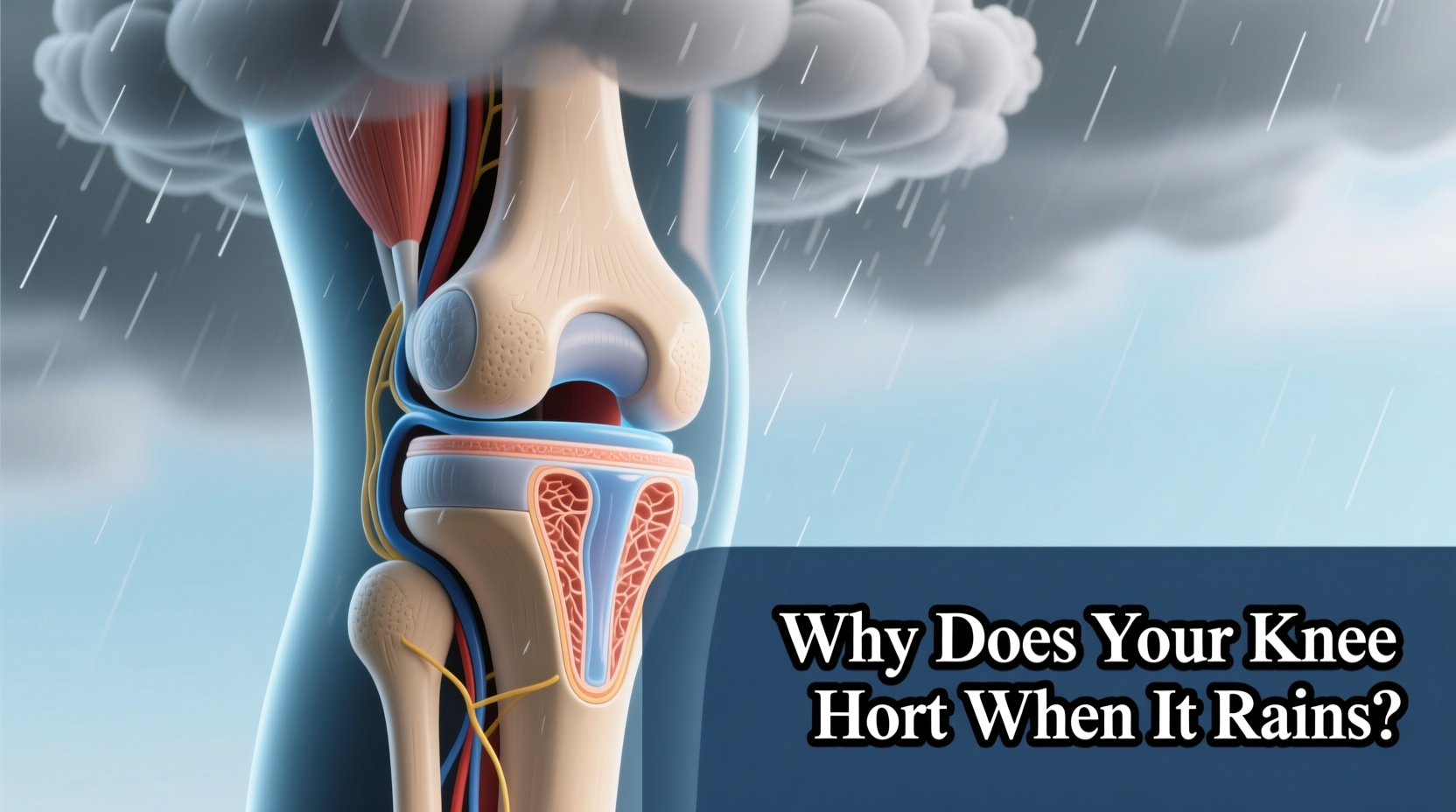
Joint pain during rainy or cold weather is commonly reported but historically dismissed as anecdotal. However, modern research increasingly validates these experiences. The primary factors involved are barometric pressure, humidity, temperature, and even wind speed. Among them, barometric pressure — the weight of the air pressing on the body — appears to play the most significant role.
When a storm approaches, atmospheric pressure drops. This change can cause tissues surrounding joints, including tendons, muscles, and scar tissue, to expand slightly. In already inflamed or damaged joints — such as those affected by osteoarthritis or previous trauma — this expansion may increase pressure on nerves, leading to pain or stiffness. Think of it like a balloon expanding slightly in lower pressure; your body’s soft tissues react similarly.
A 2019 study published in *Pain Medicine* analyzed over 800,000 emergency department visits for joint and back pain and found a measurable correlation between low barometric pressure and increased pain complaints. While not all individuals are equally sensitive, those with pre-existing joint damage are far more likely to perceive these subtle environmental shifts.
“Patients consistently report that their joints ache before the rain starts. We now have data showing that barometric changes can influence inflammation and nerve sensitivity in compromised joints.” — Dr. Rebecca Langston, Rheumatologist at Boston Arthritis Institute
How Humidity and Temperature Play a Role
While barometric pressure is the leading suspect, humidity and temperature also contribute to weather-related joint discomfort. Cold temperatures can cause synovial fluid — the lubricant within joints — to thicken, reducing mobility and increasing stiffness. This effect is especially noticeable in the morning or after periods of inactivity.
High humidity, often accompanying rainy weather, may intensify swelling in already sensitive joints. Moist air can make it harder for the body to dissipate heat, potentially exacerbating inflammation. Additionally, damp conditions often discourage physical activity, which can lead to muscle weakness and reduced joint support over time.
It's important to note that individual responses vary. Some people feel worse in cold, dry weather, while others are more affected by warm, humid storms. Tracking personal symptoms alongside local weather patterns can help identify specific triggers.
Who Is Most Affected by Weather-Related Joint Pain?
Not everyone experiences joint pain during weather changes. Susceptibility tends to be higher among certain groups:
- People with osteoarthritis: Degraded cartilage exposes bone and nerves, making joints more reactive to pressure changes.
- Those with rheumatoid arthritis: Chronic inflammation increases nerve sensitivity and fluid retention in joints.
- Individuals with prior joint injuries: Scar tissue and altered biomechanics can heighten responsiveness to environmental shifts.
- Older adults: Age-related joint wear and reduced circulation amplify weather sensitivity.
Interestingly, studies suggest that psychological factors like mood and expectation can modulate pain perception. A person anticipating discomfort on a rainy day may subconsciously focus more on bodily sensations, amplifying the experience. However, this doesn’t negate the physical basis — it simply shows that pain is both a sensory and cognitive phenomenon.
Case Study: Maria’s Rainy Day Flare-Ups
Maria, a 58-year-old teacher from Portland, Oregon, began noticing her left knee stiffened dramatically before rainstorms. She initially dismissed it as coincidence until she started logging her symptoms. Over three months, she recorded moderate to severe pain onset within 12 hours of a barometric drop — even when no rain actually fell. Her doctor confirmed moderate osteoarthritis via X-ray. With this insight, Maria began using a heated knee wrap and gentle stretching routine on low-pressure days, reducing her average pain score from 7/10 to 3/10. Her story illustrates how awareness and proactive care can significantly improve quality of life.
Managing Knee Pain During Weather Changes
While you can't control the weather, you can take steps to minimize its impact on your joints. A multi-pronged approach combining lifestyle habits, home remedies, and medical strategies offers the best protection against flare-ups.
Step-by-Step Guide to Reducing Weather-Induced Knee Pain
- Monitor local forecasts: Use a weather app that includes barometric pressure trends. Set alerts for significant drops.
- Stay active indoors: On rainy or cold days, perform low-impact exercises like seated leg lifts, swimming, or stationary cycling to maintain joint mobility.
- Apply heat therapy: Use a heating pad or warm towel on stiff knees for 15–20 minutes to relax muscles and improve blood flow.
- Wear supportive clothing: Compression sleeves or neoprene knee braces retain warmth and provide mild stabilization.
- Take prescribed medications proactively: If approved by your doctor, consider taking anti-inflammatory medication (e.g., ibuprofen) at the first sign of a pressure drop, rather than waiting for pain to escalate.
- Hydrate and eat anti-inflammatory foods: Drink plenty of water and consume omega-3-rich foods like salmon, walnuts, and flaxseeds to reduce systemic inflammation.
Do’s and Don’ts for Weather-Sensitive Joints
| Do’s | Don’ts |
|---|---|
| Keep joints warm with layers or thermal wear | Expose knees to cold drafts or damp environments |
| Perform gentle range-of-motion stretches daily | Skip exercise because of bad weather |
| Use assistive devices (e.g., cane) if needed | Push through sharp pain to “stay active” |
| Track symptoms and correlate with weather data | Ignore consistent patterns that could inform treatment |
| Consult your doctor about long-term management | Rely solely on OTC meds without medical guidance |
Medical Insights and Emerging Research
While the exact mechanisms remain under investigation, researchers are exploring several promising theories. One line of inquiry focuses on the nervous system’s ability to detect subtle pressure changes through mechanoreceptors in connective tissues. Another examines how cold weather reduces blood flow to extremities, potentially slowing the removal of inflammatory byproducts from joint spaces.
Emerging technologies, such as wearable sensors that monitor joint movement and local microclimate, may soon allow patients and doctors to predict flare-ups with greater accuracy. In the meantime, telehealth platforms enable quicker consultations when weather-triggered pain arises.
“The future of pain management lies in personalization. By integrating patient-reported outcomes with environmental data, we can move from reactive to predictive care.” — Dr. Alan Zhou, Director of Digital Health at Cleveland Clinic Center for Musculoskeletal Innovation
Frequently Asked Questions
Can weather changes really cause joint pain, or is it psychological?
Scientific evidence confirms that weather changes, especially drops in barometric pressure, can physically affect joint tissues. While psychology plays a role in pain perception, the physiological basis is real — particularly in individuals with existing joint damage or inflammation.
Why do my knees hurt only on rainy days and not sunny ones?
Rainy days typically involve lower atmospheric pressure, higher humidity, and cooler temperatures — all of which can independently or collectively stress sensitive joints. Even if it doesn’t rain, a drop in pressure often precedes precipitation and may trigger symptoms before any moisture arrives.
Is there a way to prevent knee pain before it starts?
Yes. Proactive strategies such as staying warm, maintaining joint strength through regular exercise, monitoring weather trends, and using heat therapy early can significantly reduce the frequency and severity of weather-related flare-ups. Discussing a personalized plan with a rheumatologist or physical therapist enhances effectiveness.
Conclusion: Take Control of Your Joint Health
Experiencing knee pain when it rains is more than imagination — it’s a documented response rooted in physiology. While the weather remains beyond our control, your response to it doesn’t have to be passive. By understanding the connection between atmospheric shifts and joint sensitivity, you gain the power to anticipate discomfort and act before pain takes hold. From simple daily habits to informed medical strategies, managing weather-related joint pain is entirely possible.




 浙公网安备
33010002000092号
浙公网安备
33010002000092号 浙B2-20120091-4
Comments
No comments yet. Why don't you start the discussion?