
It’s the holiday season, and you’ve just pulled out your trusted string of LED Christmas lights—lights that have twinkled across trees and mantles for years. You plug them in with anticipation, only to catch a faint but unmistakable scent: something like hot plastic or electrical burning. Your heart skips a beat. Is this normal? Or is it a sign of danger?
This experience is more common than you might think. While some odors during initial use can be harmless, others are red flags demanding immediate attention. Understanding the difference isn’t just about peace of mind—it could be critical for home safety.
The answer lies in distinguishing between off-gassing from manufacturing residues, minor component warming, and actual electrical faults. This article breaks down the science, identifies risk factors, and provides actionable steps to ensure your holiday lighting remains festive—not frightening.
Understanding the Initial Burn-In Smell
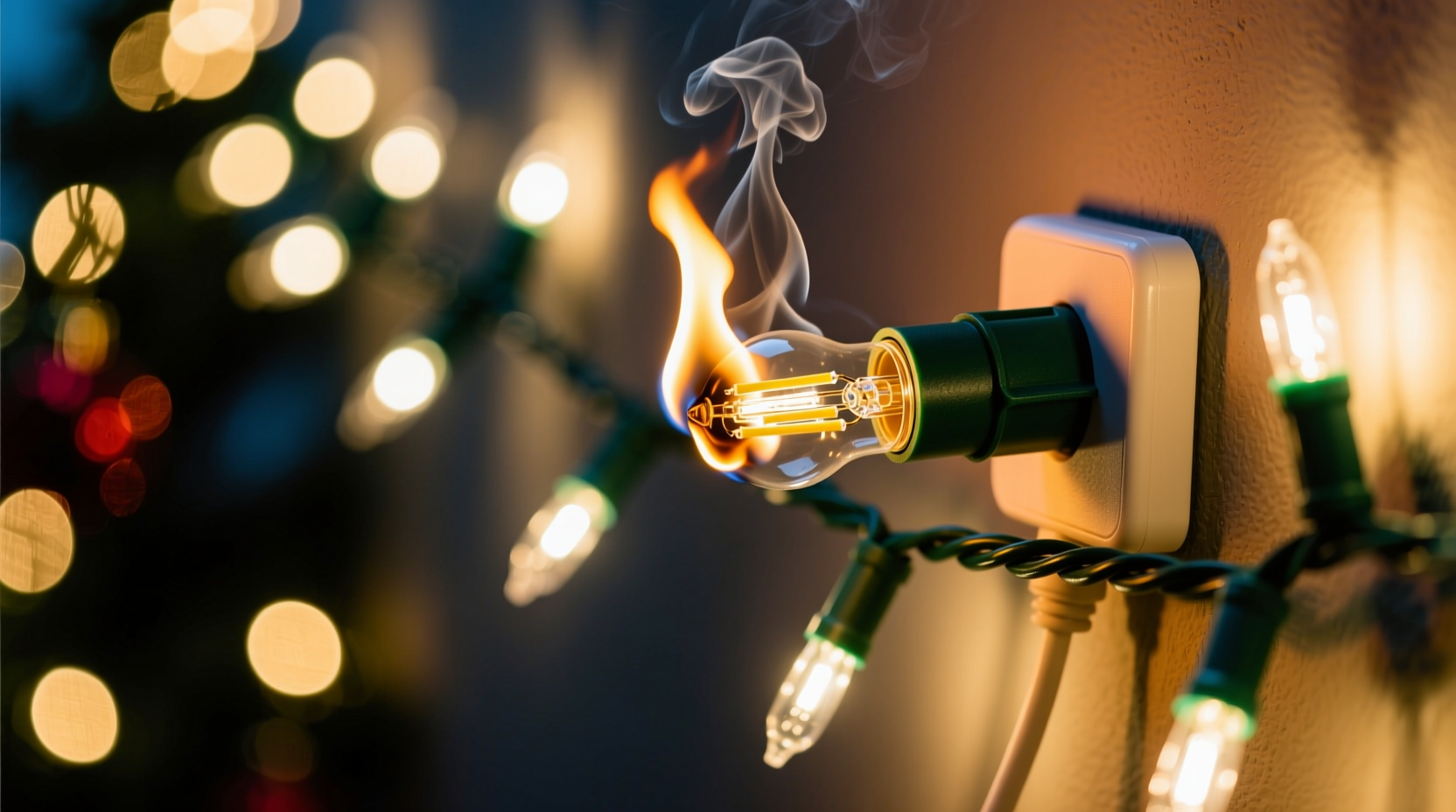
When new electronic devices are powered on for the first time, especially those made overseas or stored in warehouses for months, they may emit a slight odor. This phenomenon, often called “burn-in” or “outgassing,” occurs as residual materials from production react to heat for the first time.
In LED Christmas lights, several components contribute to this:
- Plastic insulation on wires and circuit boards may release trapped volatile organic compounds (VOCs) when heated.
- Flux residue from soldering processes can produce a sharp, acrid smell when warmed.
- Mold-release agents used in plastic housing may vaporize slightly upon first use.
According to the National Fire Protection Association (NFPA), many low-level odors dissipate within minutes and do not indicate a malfunction. However, duration, intensity, and accompanying symptoms (like smoke or flickering) matter significantly.
“Some initial odor from new electronics is expected, especially in mass-produced seasonal items. But persistent or strong burning smells should never be ignored.” — Dr. Alan Torres, Electrical Safety Engineer at UL Solutions
Differentiating Between Harmless Odors and Real Hazards
Not all burning smells are created equal. The key is knowing which characteristics signal a problem and which fall within acceptable limits.
A harmless smell typically has these traits:
- Faint, similar to warm plastic or dust on a heater
- Appears only briefly (under 10–15 minutes)
- No visible smoke, discoloration, or melting
- Lights function normally—no flickering or dimming
In contrast, a dangerous condition may involve:
- Strong, pungent odor resembling burnt rubber or metal
- Smoke, charring, or bubbling on wires or connectors
- Overheating at specific points (e.g., one section feels much hotter than others)
- Intermittent power or complete failure in part of the strand
If any of these warning signs appear, unplug the lights immediately. Do not attempt to reuse them until inspected by a qualified technician—or better yet, replace them entirely.
Common Causes of Dangerous Burning Smells
Beyond initial outgassing, certain mechanical or design flaws can cause hazardous overheating:
- Overloaded circuits: Connecting too many strands end-to-end exceeds manufacturer limits, causing excessive current draw and heat buildup.
- Poor-quality transformers or rectifiers: Cheaply made power supplies may lack proper thermal regulation.
- Damaged insulation: Frayed or pinched wires create resistance points that generate localized heat.
- Moisture ingress: Outdoor lights exposed to rain or snow without proper sealing can short internally.
- Counterfeit components: Some budget LEDs use substandard capacitors or resistors prone to thermal runaway.
These issues aren’t limited to old or damaged strings. A 2022 Consumer Reports investigation found that nearly 12% of off-brand LED light sets purchased online failed basic safety tests—even when brand new.
Step-by-Step: What to Do When You Detect a Burning Smell
Reacting quickly and correctly can prevent small problems from becoming emergencies. Follow this timeline if your LED Christmas lights emit a burning odor:
- Unplug Immediately: Do not wait. Disconnect the string from the outlet, even if the smell seems mild.
- Inspect Visually: Look for darkened areas, melted plastic, swollen components, or frayed wires. Pay special attention to connection points and where multiple strands join.
- Smell Test (After Cooling): Wait 30 minutes, then sniff near connectors and bulbs. Lingering strong odors suggest internal damage.
- Check Manufacturer Labels: Verify the number of allowable connections per circuit. Exceeding this limit is a frequent cause of overheating.
- Test in a Safe Environment: If no damage is visible and the smell was brief, try plugging the lights into a GFCI-protected outlet for 10 minutes while monitoring closely.
- Dispose If Unsure: When in doubt, throw it out. Replacing a $15 light string is far safer than risking a house fire.
“Electrical fires often start silently. A strange smell is your early warning system. Treat it like a fire alarm.” — Fire Marshal Linda Chen, NFPA Regional Office
Prevention Checklist: How to Use LED Lights Safely
Proactive habits go a long way in preventing overheating and ensuring seasonal cheer stays safe. Use this checklist every time you decorate:
- ✅ Read packaging labels for max connectable length
- ✅ Inspect each strand for damage before use
- ✅ Avoid covering lights with flammable materials (tinsel, paper garlands)
- ✅ Plug into surge protectors, not daisy-chained power strips
- ✅ Use outdoor-rated lights only outside; indoor ones stay inside
- ✅ Never leave lights unattended for extended periods (e.g., overnight or while away)
- ✅ Store coiled loosely in climate-controlled space (not attics or damp basements)
Material Comparison: What’s Inside Your Light String?
The quality of materials used in LED Christmas lights varies dramatically between brands. Here's a comparison of common construction types:
| Component | High-Quality Lights | Budget/Off-Brand Lights |
|---|---|---|
| Wire Insulation | PVC rated for -20°C to 60°C; UV-resistant | Thin plastic prone to cracking; degrades in cold |
| Solder Joints | Lead-free, evenly applied, flux-cleaned | Excess flux residue; uneven joints |
| LED Housing | Polycarbonate with heat-dissipating design | Basic ABS plastic; traps heat |
| Power Adapter | Fused, CE/UL certified, current-limited | No certification; inconsistent voltage output |
| Lifespan Rating | 25,000–50,000 hours | Often unlisted or under 10,000 hours |
Investing in certified, reputable brands may cost more upfront but reduces risks and replacement frequency over time.
Real Example: A Close Call in Portland
In December 2023, Sarah M., a homeowner in Portland, Oregon, noticed a faint burning smell when she plugged in a new set of bargain LED icicle lights bought online. She initially dismissed it, assuming it was normal “new product” odor. After 20 minutes, the smell intensified, and she saw slight smoke rising from the plug connector.
She unplugged the strand and discovered the male end had begun to melt. Upon inspection, the internal wiring showed signs of arcing. She contacted the retailer, who refused a refund due to “used item” policy. An electrician later confirmed the transformer lacked overcurrent protection and was operating at 18% above rated load.
Sarah avoided a potential fire—but only because she paid attention to early cues. Her story underscores the importance of vigilance, especially with non-certified products.
Frequently Asked Questions
Is it normal for new LED Christmas lights to smell?
A very faint odor resembling warm plastic or dust during the first 5–10 minutes of use can be normal due to outgassing of manufacturing residues. If the smell disappears quickly and there are no other symptoms, it's likely not dangerous. Persistent or strong odors are not normal and require action.
Can LED lights actually catch fire?
While LEDs run cooler than incandescent bulbs, the supporting electronics—especially in poorly designed strings—can overheat. Faulty wiring, overloaded circuits, or counterfeit components have been linked to fires. The U.S. Consumer Product Safety Commission estimates that holiday lighting causes over 100 fires annually, many involving misuse or defective products.
Should I keep using LED lights that smelled once but now seem fine?
No. Even if the lights appear functional after an incident, internal damage such as degraded insulation or micro-arcing can persist. These create hidden failure points that may worsen with future use. For safety, retire any strand that emitted a strong burning smell, smoked, or showed signs of melting.
Expert Recommendations for Long-Term Safety
Seasonal decorations deserve the same scrutiny as permanent household electronics. Experts agree on several best practices:
- Buy certified products: Look for UL, ETL, CSA, or CE marks indicating independent safety testing.
- Limits matter: Never exceed the manufacturer’s recommended number of connected strands.
- Use timers: Set lights to turn off automatically during sleeping hours or when no one is home.
- Replace every 3–5 years: Even well-maintained lights degrade. Older sets are more prone to insulation breakdown and connector wear.
“The safest Christmas light is one you’re willing to throw away at the first sign of trouble.” — Mark Delaney, Senior Technician at HomeSafe Electrical Inspections
Conclusion: Prioritize Safety Over Sentiment
Holiday traditions bring warmth and joy, but they shouldn’t come at the cost of safety. That faint burning smell from your LED Christmas lights might seem trivial—just a quirk of a new product—but it could be the first clue of a serious hazard.
You don’t need to fear every whiff of warm plastic. But you do need to respond with care, knowledge, and zero tolerance for risk. Inspect your lights. Respect manufacturer guidelines. Invest in quality. And when in doubt, walk away.
Your tree, your family, and your home are worth more than any string of lights. Stay alert, stay informed, and make this season both beautiful and safe.




 浙公网安备
33010002000092号
浙公网安备
33010002000092号 浙B2-20120091-4
Comments
No comments yet. Why don't you start the discussion?