
Sitting for extended periods has become an unavoidable part of modern life—whether at a desk, in a car, or on the couch. But if you’ve noticed a dull, persistent ache in your lower back after hours of sitting, you’re not alone. Millions experience this discomfort daily, often dismissing it as normal. The truth is, chronic lower back pain from prolonged sitting isn’t inevitable—it’s a signal that something in your posture, environment, or movement habits needs attention.
This article explores the biomechanics behind post-sitting lower back pain, identifies common postural pitfalls, and provides science-backed solutions. From ergonomic adjustments to targeted exercises and real-world strategies, you’ll gain practical tools to restore comfort and protect your spine long-term.
The Science Behind Lower Back Pain After Sitting
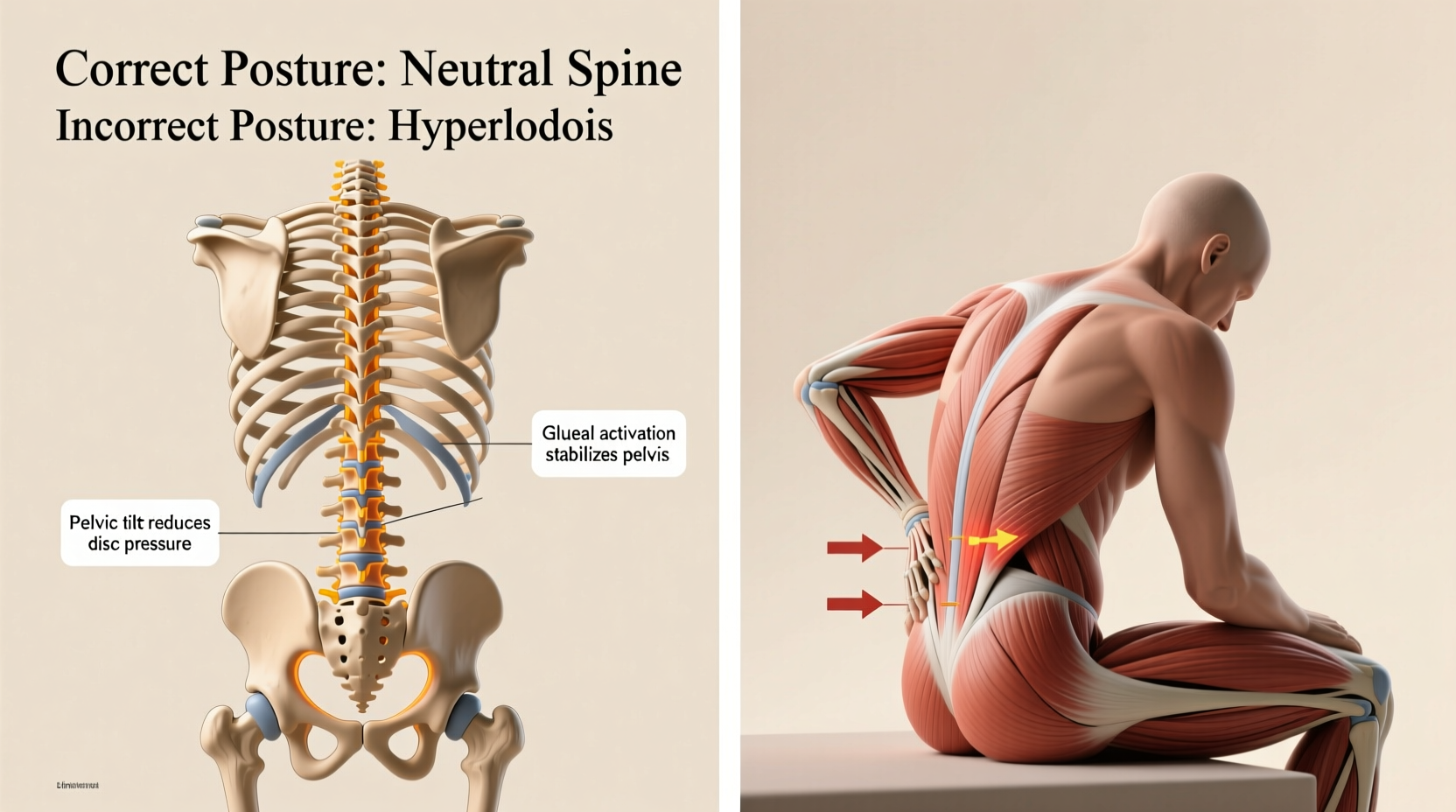
When you sit, your spine shifts from its natural S-curve alignment into a more compressed C-shape, especially if slouching. This change increases pressure on the lumbar discs—particularly at levels L4-L5 and L5-S1, which bear the brunt of upper-body weight. Research shows that disc pressure can be up to 40% higher when sitting poorly compared to standing upright.
The gluteal muscles and hip flexors also react negatively to prolonged sitting. Glutes deactivate over time, weakening their ability to support pelvic stability. Meanwhile, hip flexors shorten and tighten, pulling the pelvis forward into anterior tilt—a posture that exaggerates the lower back curve and strains spinal ligaments.
Additionally, poor circulation from immobility reduces oxygen delivery to spinal tissues, slowing healing and increasing inflammation. Over time, these factors contribute to muscular imbalances, joint irritation, and degenerative changes like disc bulging or facet joint arthritis.
“Prolonged sitting with poor posture is one of the most insidious contributors to chronic low back pain. It doesn’t cause immediate injury, but the cumulative load leads to tissue breakdown.” — Dr. Lena Torres, Physical Therapist & Spine Health Specialist
Common Postural Mistakes That Trigger Pain
Many people assume they have “good” posture because they aren’t visibly slouched. However, subtle misalignments are often the real culprits. Here are the most frequent offenders:
- Slumped Sitting: Shoulders rounded forward, head jutting ahead (commonly called \"text neck\"), lower back flattened.
- Leg Crossing: Creates pelvic asymmetry, leading to uneven spinal loading and muscle strain on one side.
- Feet Not Supported: Legs dangling or resting on wheels of a chair increase shear forces on the lumbar spine.
- Chair Too Deep: Sitting far back without lumbar support causes the pelvis to roll backward, flattening the natural lumbar curve.
- Screen Height Mismatch: Monitors below eye level force cervical and thoracic flexion, indirectly affecting lower back mechanics.
Ergonomic Fixes for Immediate Relief
You don’t need a full office overhaul to make meaningful improvements. Start with these accessible adjustments:
- Adjust Chair Height: Feet should rest flat on the floor or on a footrest, knees at or slightly below hip level.
- Use Lumbar Support: Place a small cushion or rolled towel at the inward curve of your lower back to maintain the natural lordosis.
- Sit on Your Sit Bones: Tilt your pelvis slightly forward so weight is balanced over the ischial tuberosities (sit bones), not the tailbone.
- Position Monitor at Eye Level: Top of screen should align with your eyebrows; use a riser if needed.
- Keep Arms at 90 Degrees: Elbows close to body, wrists straight when typing.
| Posture Element | Do | Avoid |
|---|---|---|
| Spinal Alignment | Maintain gentle inward curve in lower back | Flattening or over-arching the lumbar spine |
| Head Position | Ears aligned over shoulders | Forward head posture (chin poking out) |
| Hip Angle | At least 90 degrees, ideally 100–110° | Tight angles (less than 90°) from high seats |
| Foot Placement | Flat on floor or supported by footrest | Dangling legs or crossed ankles |
| Work Surface | Allows forearms parallel to floor | Forces reaching or hunching |
Corrective Exercises to Rebalance Your Body
Even with perfect ergonomics, sedentary behavior weakens critical stabilizers. Incorporate these exercises daily to reverse damage and build resilience:
1. Pelvic Tilts (3 sets of 10 reps)
Lie on your back with knees bent. Gently press your lower back into the floor by tightening abdominal muscles, then release. This teaches control of lumbar curvature and activates deep core muscles.
2. Glute Bridges (3 sets of 12 reps)
From the same position, lift hips toward ceiling while squeezing glutes. Hold for two seconds at the top. Strengthens posterior chain and counters gluteal amnesia caused by sitting.
3. Hip Flexor Stretch (Hold 30 seconds per side)
Kneel on one knee, tuck pelvis under, and lean forward until you feel a stretch in the front of the hip. Tight hip flexors pull the pelvis out of alignment—this stretch restores balance.
4. Cat-Cow Mobilization (1 minute)
On hands and knees, alternate between arching the spine upward (cat) and dipping it downward (cow). Enhances spinal flexibility and relieves stiffness from static positioning.
5. Dead Bug (2 sets of 10 per side)
Lie on back, arms extended toward ceiling, knees bent at 90 degrees. Slowly extend opposite arm and leg while keeping lower back pressed to the floor. Builds anti-extension core strength essential for seated stability.
Real-Life Example: Sarah’s Transformation
Sarah, a 34-year-old software developer, experienced daily lower back pain after working 8–10 hours at her home desk. She assumed it was just part of the job—until the discomfort began radiating down her right leg. A physical therapist diagnosed early signs of sciatica due to chronic sitting with poor lumbar support.
Her solution wasn’t drastic. She raised her monitor using books, added a lumbar roll to her chair, and started doing glute bridges and hip flexor stretches twice daily. She also set a smartwatch reminder to stand every half hour. Within three weeks, her pain decreased by 70%. By six weeks, she was pain-free during work hours and reported better energy and focus.
Sarah’s case illustrates how minor, consistent changes can yield major results—without surgery, medication, or expensive equipment.
Step-by-Step Daily Routine to Prevent Lower Back Pain
Follow this simple routine each day to proactively protect your spine:
- Morning (5 minutes): Perform pelvic tilts and cat-cow to awaken spinal mobility.
- Before Work: Adjust chair height, add lumbar support, position monitor correctly.
- During Work: Stand or walk for 1–2 minutes every 30 minutes. Use a standing desk if available.
- Lunch Break: Take a 10-minute walk and do one round of glute bridges and hip flexor stretches.
- After Work: Spend 5 minutes in child’s pose or lying twist to decompress the spine.
- Evening: Review posture habits and note any discomfort triggers for adjustment tomorrow.
This sequence integrates prevention, correction, and recovery—addressing all phases of your day.
Frequently Asked Questions
Can sitting too much permanently damage my back?
While occasional soreness is reversible, chronic poor posture and inactivity can lead to lasting structural changes such as disc degeneration, muscle atrophy, and joint dysfunction. The good news is that early intervention can halt and often reverse these effects through movement, strengthening, and ergonomic optimization.
Is a standing desk better than sitting?
Standing desks reduce continuous spinal compression and engage core and leg muscles, but standing too long introduces new risks—such as increased pressure on the lower back and leg veins. The ideal approach is alternating: 30–45 minutes sitting, followed by 15–20 minutes standing. Movement, not static posture, is the true key.
Why does my lower back hurt even with a good chair?
A supportive chair helps, but it won’t fix underlying issues like weak core muscles, tight hips, or lack of movement. Pain may persist if you remain motionless for hours, fail to adjust the chair properly, or carry postural imbalances from other activities. Ergonomics must be paired with active movement and corrective exercise.
Take Control of Your Spinal Health Today
Lower back pain after sitting isn’t a badge of productivity—it’s a warning sign your body is under mechanical stress. The strategies outlined here go beyond temporary relief; they address root causes like muscular imbalance, poor alignment, and sedentary behavior. By combining proper ergonomics, regular movement, and targeted strengthening, you can transform your relationship with sitting.
Start small: adjust your chair today, do five glute bridges tonight, and set a phone reminder to move every 30 minutes. Consistency matters more than intensity. Over time, these actions retrain your body, reduce pain, and enhance overall well-being.




 浙公网安备
33010002000092号
浙公网安备
33010002000092号 浙B2-20120091-4
Comments
No comments yet. Why don't you start the discussion?