
Sleeping next to someone who snores can be more than just annoying—it can disrupt your own sleep, strain relationships, and even raise concerns about health. If your partner only snores when lying on their back, you're not alone. This positional snoring is surprisingly common and rooted in well-understood anatomy and physiology. The good news? There are effective, science-backed strategies to address it. From understanding the mechanics of airway collapse to practical lifestyle changes and medical interventions, this guide breaks down why back-sleeping triggers snoring and how you can both achieve quieter, healthier nights.
The Anatomy Behind Back-Sleep Snoring
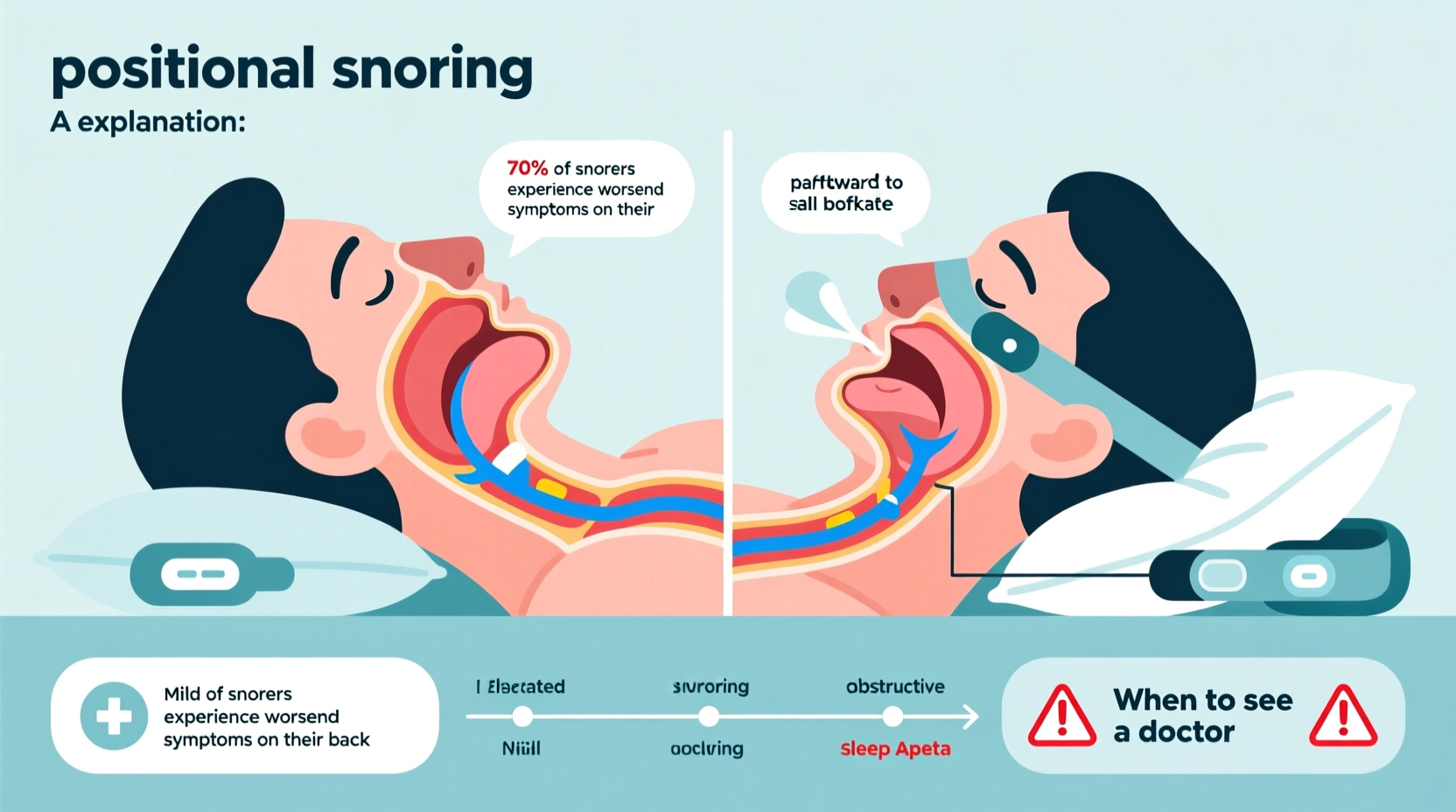
Snoring occurs when airflow through the mouth and nose is partially obstructed during sleep. As air passes through narrowed passages, the surrounding tissues vibrate—producing the familiar rumbling sound. When a person lies on their back, gravity pulls soft tissues in the throat—including the soft palate, uvula, and tongue—downward. This narrows the airway significantly, especially in individuals with naturally relaxed muscles or excess tissue.
Studies show that up to 50% of adults snore occasionally, but positional snorers—those whose snoring is primarily limited to supine (back) sleeping—are a distinct subgroup. Research published in *The Journal of Laryngology & Otology* found that over 60% of habitual snorers experience worsened symptoms when lying supine due to increased pharyngeal collapsibility.
The supine position also reduces lung volume slightly, which decreases tracheal traction—a natural force that helps keep the upper airway open. With less support from below and added pressure from above, the airway becomes vulnerable to vibration and partial closure.
Why Doesn't My Partner Snore on Their Side?
When sleeping on their side, gravity no longer pulls the tongue and soft palate directly into the airway. Instead, these tissues rest laterally, maintaining a more open passage for air. This simple positional shift can dramatically reduce or even eliminate snoring.
A 2017 study in *Sleep Medicine* demonstrated that changing from supine to lateral sleeping reduced snoring intensity by an average of 32% and frequency by nearly half. For many people, side sleeping acts as a natural anti-snoring mechanism—without any additional devices or treatments.
However, staying on one’s side throughout the night isn’t always easy. People often roll onto their backs unconsciously after falling into deeper stages of sleep. This explains why some individuals start the night quietly but begin snoring hours later.
“Positional therapy is one of the most underutilized yet effective first-line approaches for managing mild to moderate snoring.” — Dr. Laura Chen, Sleep Specialist at Pacific Sleep Institute
Proven Solutions to Reduce Back-Sleep Snoring
Addressing positional snoring doesn’t require drastic measures. Many effective strategies are low-cost, non-invasive, and can be implemented immediately. Below are evidence-based solutions categorized by approach.
Lifestyle and Behavioral Adjustments
- Maintain a healthy weight: Excess neck fat increases tissue bulk around the airway, making collapse more likely—even in back sleepers.
- Avoid alcohol before bedtime: Alcohol relaxes throat muscles, increasing the likelihood of obstruction.
- Quit smoking: Chronic inflammation from smoking can narrow airways and increase mucus production, worsening snoring.
- Elevate the head slightly: Using an extra pillow or adjustable bed frame can help keep airways open by reducing gravitational pull.
Mechanical Aids and Positional Devices
| Device | How It Works | Effectiveness |
|---|---|---|
| Ball-in-Shirt Method | A tennis ball sewn into the back of a shirt prevents rolling onto the back. | Moderate; high adherence improves results. |
| Wearable Positional Alarms | Vibrates gently when detecting supine position. | High; studies show >70% reduction in supine time. |
| Nasal Dilators | Expand nasal passages to improve airflow. | Variable; best for nasal congestion-related snoring. |
| Chin Straps | Keeps mouth closed, promoting nasal breathing. | Mixed; may not prevent tongue collapse. |
Medical Interventions
If snoring persists despite conservative measures, medical evaluation is recommended. Persistent snoring—especially when accompanied by gasping, choking, or daytime fatigue—may indicate obstructive sleep apnea (OSA), a serious condition requiring diagnosis and treatment.
Common medical options include:
- Oral appliances: Custom-fitted mandibular advancement devices (MADs) reposition the jaw forward, tightening airway tissues.
- CPAP therapy: Continuous positive airway pressure machines deliver steady airflow to keep the airway open.
- Surgery: Procedures like uvulopalatopharyngoplasty (UPPP) remove excess tissue, though success rates vary.
Step-by-Step Guide to Reducing Back-Sleep Snoring
Implementing change takes consistency. Follow this six-week plan to systematically reduce or eliminate back-sleep snoring:
- Week 1: Assess and Track
Use a sleep tracking app or journal to record your partner’s sleep position and snoring episodes. Note timing, duration, and potential triggers (e.g., late meals, alcohol). - Week 2: Optimize Sleep Environment
Elevate the head of the bed by 4–6 inches using risers. Introduce nasal strips or dilators if nasal congestion is suspected. - Week 3: Begin Positional Training
Try the tennis ball technique or purchase a wearable positional device. Encourage side-sleeping with supportive pillows. - Week 4: Implement Lifestyle Changes
Eliminate alcohol within three hours of bedtime. Encourage light evening exercise and consistent sleep schedules. - Week 5: Evaluate Progress
Review sleep logs. If snoring has decreased by 50% or more, continue current regimen. If not, consider professional consultation. - Week 6: Seek Medical Advice if Needed
Visit a sleep specialist if snoring persists or if symptoms of OSA are present (e.g., observed breathing pauses, morning headaches).
“Many patients assume snoring is inevitable, but positional therapy alone resolves symptoms in nearly 40% of mild cases.” — Dr. Rajiv Mehta, Board-Certified Sleep Physician
Mini Case Study: Mark and Elena’s Bedroom Transformation
Mark, 42, had been snoring loudly every night for years—only when on his back. His wife, Elena, was chronically sleep-deprived and had begun sleeping in the guest room. After reading about positional snoring, they decided to try a structured approach.
They started with the tennis ball method—sewing a sock with a tennis ball onto the back of Mark’s pajama top. He resisted at first, finding it uncomfortable, but within a week adapted to side sleeping. They paired this with elevating the head of the bed and eliminating wine consumption after dinner.
After four weeks, Elena reported a 70% reduction in snoring. A follow-up sleep tracking app showed Mark spent less than 20% of the night on his back, down from 65%. Though he still rolled over occasionally, the overall improvement allowed both partners to sleep in the same room again—restored peace and intimacy.
Do’s and Don’ts of Managing Positional Snoring
| Do’s | Don’ts |
|---|---|
| Encourage side-sleeping with body pillows or positional aids. | Blame or shame your partner for snoring—it’s involuntary. |
| Keep bedroom air moist with a humidifier, especially in dry climates. | Ignore signs of sleep apnea like gasping or excessive daytime sleepiness. |
| Consult an ENT or sleep specialist if snoring disrupts quality of life. | Rely solely on over-the-counter sprays or gadgets without evidence. |
| Support gradual lifestyle changes rather than demanding overnight fixes. | Assume surgery is the only permanent solution. |
Frequently Asked Questions
Can losing weight stop my partner from snoring on their back?
Yes, weight loss can significantly reduce or eliminate snoring, especially in individuals with excess neck circumference. A 2020 meta-analysis in *Obesity Reviews* found that losing 10% of body weight led to a 30–50% reduction in snoring severity in overweight participants. While it may not completely prevent back-sleep snoring, it lowers the risk of airway collapse.
Are there pillows designed to prevent back sleeping?
Yes, positional therapy pillows are specifically engineered to discourage supine sleeping. These often feature a central hollow and firm side supports that make back sleeping uncomfortable while encouraging side alignment. Some models include built-in straps or contours to stabilize the head and neck. Look for ones with breathable materials to avoid overheating.
Is back-sleep snoring a sign of sleep apnea?
Not always, but it can be. Up to 70% of people with obstructive sleep apnea experience worse symptoms when lying on their backs. Key red flags include choking or gasping during sleep, frequent awakenings, morning headaches, and excessive daytime fatigue. If these occur, a formal sleep study is essential to rule out OSA, which carries long-term cardiovascular risks if untreated.
Conclusion: Take Action for Quieter, Healthier Sleep
Snoring when lying on the back is not just a quirky habit—it’s a predictable physiological response to gravity and anatomy. But understanding the science behind it empowers couples to take meaningful steps toward resolution. Whether through simple behavioral tweaks, positional training, or medical intervention, relief is possible.
The journey starts with observation, compassion, and collaboration. Instead of enduring another restless night, use the tools and insights outlined here to create lasting change. Better sleep isn’t a luxury—it’s a foundation for health, connection, and daily well-being.




 浙公网安备
33010002000092号
浙公网安备
33010002000092号 浙B2-20120091-4
Comments
No comments yet. Why don't you start the discussion?