
If you’ve noticed that your scalp starts feeling greasy within 24 hours of skipping shampoo, you're not alone. Many people experience rapid oil buildup, flat hair, and discomfort even after a thorough wash. While some oil is natural and healthy, excessive sebum can make hair look dull, weighed down, and unclean—regardless of how recently it was washed. Understanding the root causes behind this quick oil accumulation is key to managing it effectively. This article explores the biological, environmental, and behavioral factors contributing to fast scalp oiling and offers practical, sustainable solutions.
The Science Behind Scalp Oil Production
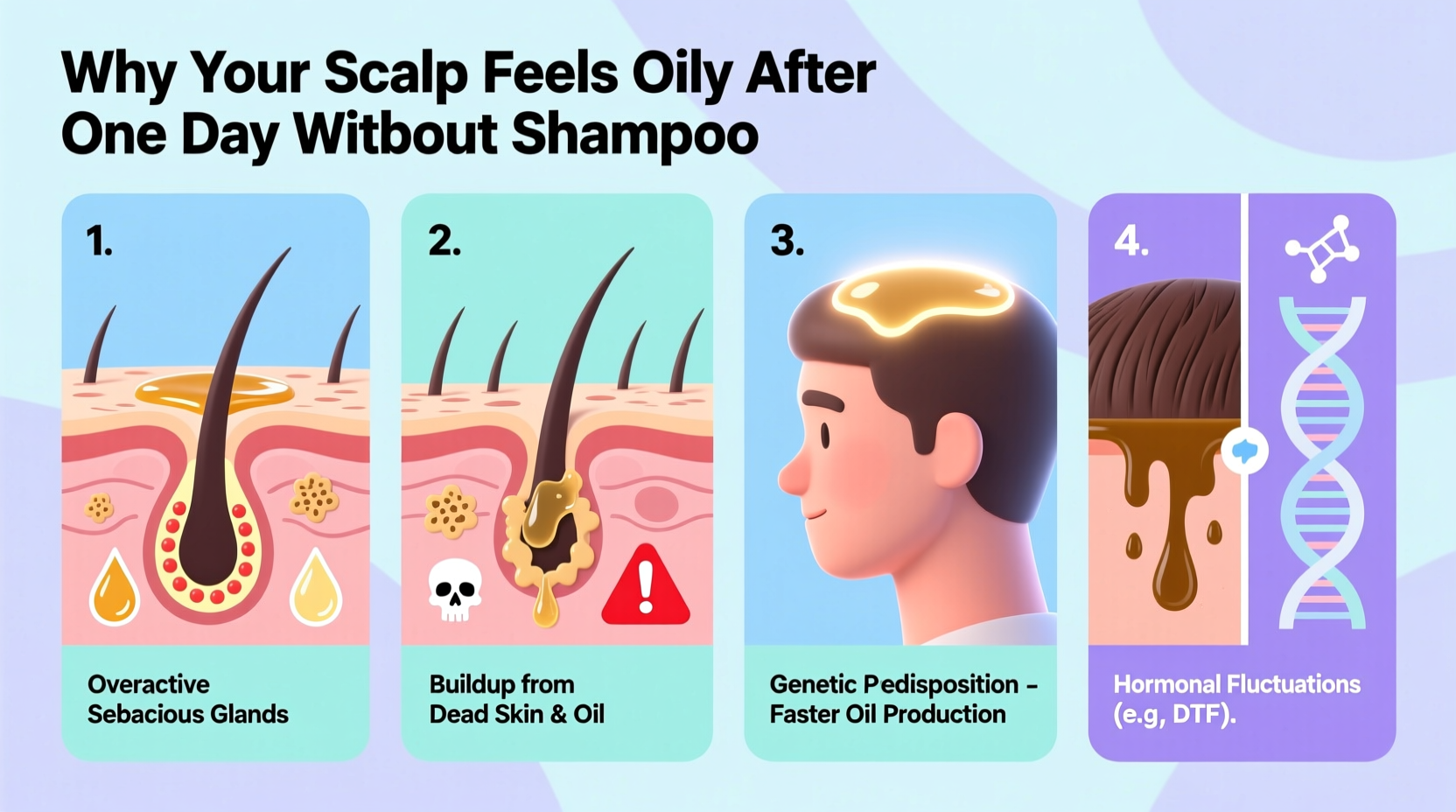
Your scalp produces an oily substance called sebum through sebaceous glands located near each hair follicle. Sebum plays a vital role in protecting the scalp by moisturizing skin and preventing dryness and irritation. However, overproduction leads to that slick, greasy feeling many dread.
Sebum production is influenced by several internal and external factors:
- Hormones: Androgens like testosterone stimulate sebaceous glands. Fluctuations during puberty, menstruation, pregnancy, or stress can increase oil output.
- Genetics: Some individuals are genetically predisposed to higher sebum levels due to gland density and activity.
- Diet: High-glycemic foods and dairy have been linked to increased sebum production in studies.
- Climate: Humid environments encourage oiliness, while dry air may trigger compensatory overproduction.
When sebum spreads from the roots down the hair shaft, especially in fine or straight hair, the effect becomes visible quickly—sometimes within hours of washing.
“Scalp oil isn’t inherently bad—it’s essential for protection. The issue arises when regulation fails and overproduction occurs.” — Dr. Lena Torres, Dermatologist & Hair Health Specialist
Common Causes of Rapid Scalp Oil Buildup
It's important to distinguish between normal oil production and problematic greasiness. If your scalp feels oily after just one day without shampoo, consider these potential contributors:
Overwashing with Harsh Shampoos
Paradoxically, washing too frequently with strong detergents strips the scalp of its natural oils. In response, the body signals sebaceous glands to produce more sebum to compensate—leading to a cycle of over-cleaning and rebound oiliness.
Poor Hair Washing Technique
Rinsing inadequately leaves behind product residue, which traps oil and accelerates buildup. Similarly, not massaging the scalp thoroughly during washing means oils aren't properly lifted and removed.
Frequent Touching or Styling
Hands transfer dirt, sweat, and natural oils onto the scalp and hair. Running fingers through hair multiple times a day significantly increases grease transfer, particularly at the crown and part line.
Hormonal Imbalances
Conditions such as polycystic ovary syndrome (PCOS), thyroid disorders, or chronic stress elevate androgen levels, directly increasing sebum secretion. Women experiencing hormonal shifts often report sudden changes in scalp oiliness.
Using Heavy Hair Products
Conditioners, serums, and styling creams applied too close to the roots can coat the scalp, trapping oil and creating a perpetually greasy base—even if your glands aren’t overproducing.
Effective Tips to Reduce One-Day Grease
Managing a fast-oiling scalp doesn't require daily shampooing. Instead, focus on rebalancing your scalp environment and adjusting habits. Here are proven strategies:
1. Transition to a Balanced Cleansing Routine
Instead of washing every day, extend time between washes gradually. Start by adding one extra day and use dry shampoo on off-days. Over weeks, your scalp will adjust and reduce excess oil production.
2. Use Lukewarm Water Only
Hot water opens pores and stimulates oil glands. Rinse with lukewarm or cool water to soothe the scalp and minimize stimulation.
3. Apply Conditioner Strategically
Never apply conditioner directly to the scalp. Focus on mid-lengths to ends only. For those with dry ends but oily roots, consider using a lightweight leave-in spray instead of heavy creams.
4. Try Co-Washing or Water-Only Rinsing
On non-shampoo days, rinse hair with water alone or use a cleansing conditioner (co-wash). This removes surface debris without stripping natural oils, helping regulate sebum balance over time.
5. Incorporate Scalp Exfoliation Weekly
Dead skin cells, sweat, and product buildup clog follicles and trap oil. Use a gentle physical scrub or chemical exfoliant (with salicylic acid or glycolic acid) once a week to keep pores clear.
| Tactic | Benefit | Frequency |
|---|---|---|
| Sulfate-free shampoo | Preserves natural oils, reduces rebound greasiness | Every 2–3 days |
| Scalp exfoliation | Removes buildup, unclogs follicles | Once weekly |
| Dry shampoo | Absorbs oil between washes | As needed (max 2 days) |
| Cool water rinse | Calms glands, prevents overstimulation | Every wash |
Step-by-Step Guide to Resetting Your Scalp
If your scalp has become dependent on frequent washing, follow this 14-day reset plan to restore balance:
- Day 1–3: Wash with a gentle, sulfate-free shampoo. Massage scalp for 2 minutes using fingertips (not nails). Rinse thoroughly with cool water.
- Day 4–7: Extend by one day. On Day 4, skip shampoo and rinse with water only. Style with minimal product. Use dry shampoo sparingly at roots if needed.
- Day 8–10: Introduce a co-wash or diluted apple cider vinegar rinse (1 part ACV to 3 parts water) to cleanse without stripping.
- Day 11–14: Perform a light scalp exfoliation. Return to regular sulfate-free shampoo if necessary, but aim to go 3 full days between washes.
By Day 14, most users notice reduced oiliness and greater flexibility in their washing schedule. Patience is critical—the adjustment phase may include visibly greasy days, but consistency breaks the cycle.
Mini Case Study: Sarah’s Scalp Transformation
Sarah, a 28-year-old teacher, had been shampooing daily for years due to her hair looking flat and dirty by morning. She used a popular clarifying shampoo thinking it would help, but her scalp felt tight and itchy, yet still oily by noon.
After consulting a trichologist, she learned her routine was the problem. She switched to a sulfate-free formula, began rinsing with cool water, and stopped applying conditioner near her roots. She also started using a charcoal-based dry shampoo only on Day 3.
Within three weeks, Sarah could comfortably go two full days between washes. By week six, her scalp produced noticeably less oil, and her hair had more volume. Her skin irritation disappeared, and she reported feeling “freed” from the daily wash cycle.
Checklist: Daily Habits to Prevent Fast Oil Buildup
- ✅ Wash hair every 2–3 days max with a mild shampoo
- ✅ Avoid touching hair throughout the day
- ✅ Use dry shampoo sparingly and brush thoroughly after application
- ✅ Keep conditioners away from the scalp
- ✅ Exfoliate scalp once a week
- ✅ Change pillowcases every 3–4 days (oil and bacteria accumulate overnight)
- ✅ Manage stress through sleep, exercise, or mindfulness practices
- ✅ Evaluate diet: reduce refined sugars and dairy if oiliness persists
Frequently Asked Questions
Is it bad to go one day without shampoo?
No, going one day without shampoo is completely normal and often beneficial. It allows natural oils to protect the scalp. Problems arise only if hygiene is neglected long-term or if underlying conditions exist.
Why does my scalp get oily so fast after washing?
This is typically due to over-cleansing with harsh shampoos, which triggers rebound oil production. Other causes include hormonal imbalances, frequent styling, or improper product use near the roots.
Can diet affect how oily my scalp gets?
Yes. Diets high in processed carbohydrates and dairy can increase insulin and androgen levels, both of which stimulate sebum production. Increasing intake of omega-3 fatty acids (found in fish, flaxseeds, walnuts) may help regulate oil.
Conclusion: Take Control of Your Scalp Health
Feeling oily after just one day without shampoo doesn’t mean your hair is unclean or unhealthy—it often reflects an imbalance caused by routine, products, or lifestyle. With informed adjustments, most people can extend time between washes, reduce greasiness, and improve overall scalp condition. The goal isn’t to eliminate oil, but to achieve balance.
Start small: swap your shampoo, change your rinse temperature, or simply stop touching your hair. Track changes over two weeks. Small steps lead to lasting results. Your scalp is adaptable, and with consistent care, it can maintain a healthier equilibrium.




 浙公网安备
33010002000092号
浙公网安备
33010002000092号 浙B2-20120091-4
Comments
No comments yet. Why don't you start the discussion?