
Seeing smoke the moment you lower the lever on your toaster can be alarming. While a small puff of smoke occasionally might not signal disaster, consistent or heavy smoke at startup is a red flag that should never be ignored. Smoke from a toaster isn't just unpleasant—it can indicate fire hazards, malfunctioning components, or long-term neglect. Understanding why this happens empowers you to take safe, effective action before a minor issue becomes dangerous.
This guide dives into the most common reasons your toaster might emit smoke when turned on, backed by real-world examples, expert insights, and actionable solutions. Whether you're dealing with faint odors or visible plumes, the answers—and fixes—are within reach.
Understanding Normal vs. Dangerous Smoke
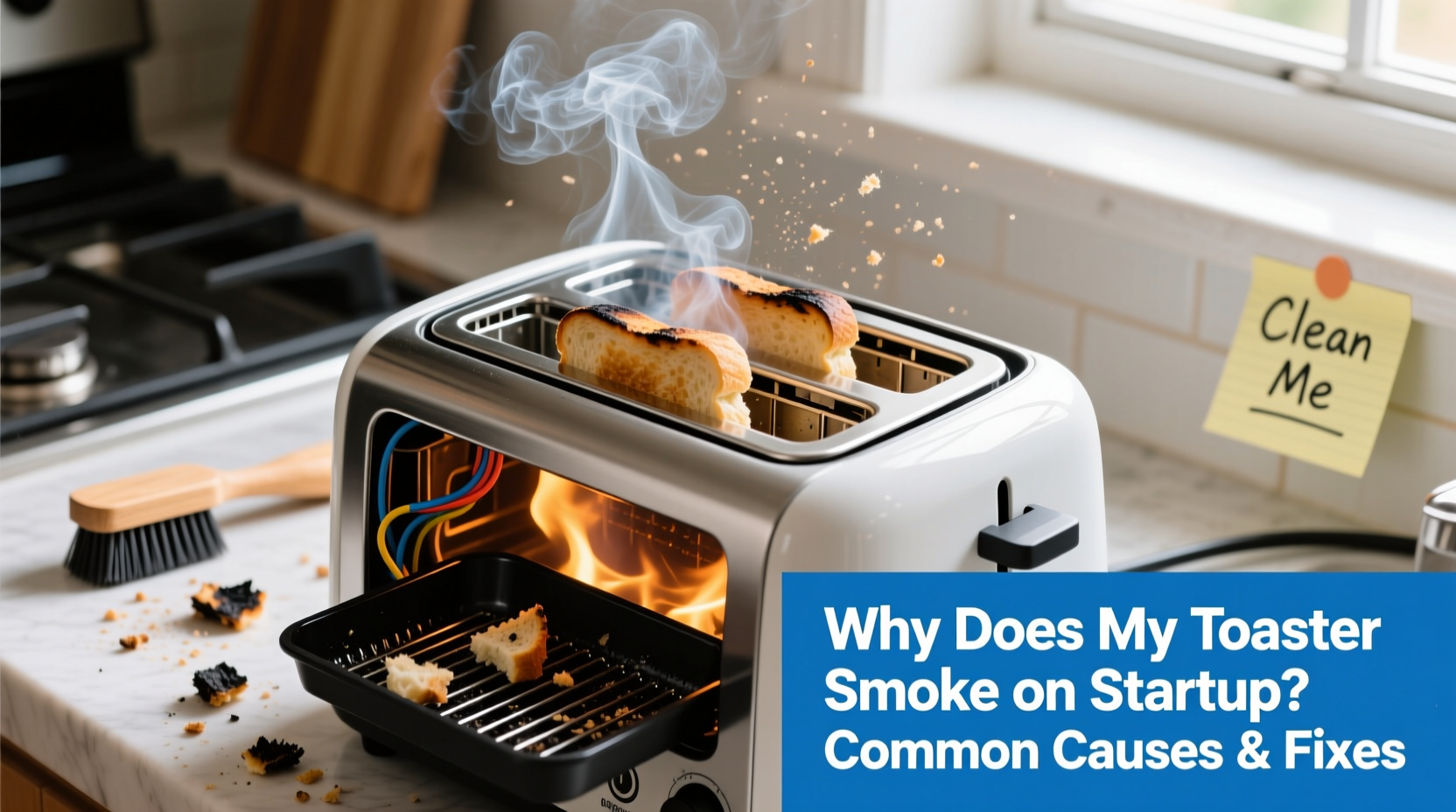
Not all smoke from a toaster is cause for immediate panic. A brief whiff of something burning during the first few uses of a brand-new toaster is typically harmless. This is often due to residual oils or protective coatings from manufacturing burning off. However, if the smoke persists beyond the first couple of uses—or occurs in an older appliance—it’s time to investigate.
Dangerous smoke is characterized by:
- Thick, dark smoke rather than a light haze
- A persistent acrid or plastic-like odor
- Smoke that continues after the toasting cycle ends
- Visible sparks inside the toaster chamber
- Smoke accompanied by tripped circuit breakers or burning smells near outlets
If any of these signs are present, stop using the toaster immediately and unplug it. Safety always comes first.
Common Causes of Toaster Smoke at Startup
1. Crumb Buildup and Food Residue
The most frequent culprit behind smoking toasters is accumulated crumbs. Over time, bread particles, butter residue, and even jam droplets fall through the slots and collect at the bottom of the heating chamber. When the toaster heats up, these organic materials burn, producing smoke and unpleasant odors.
This is especially common in households that toast buttered bread, pastries, or sugary items like cinnamon swirls. The sugar and fat accelerate charring, creating more smoke than plain bread.
2. Manufacturing Residue (New Toasters)
New toasters often come with protective oils, lubricants, or dust from the production line. The first few heating cycles may burn off these substances, resulting in light smoke and a chemical smell. This should dissipate after 3–5 uses with plain bread.
3. Faulty Heating Elements
The heating coils inside your toaster are designed to glow red-hot without emitting smoke. If one of these elements is damaged, cracked, or shorting out, it can spark or overheat localized areas, igniting nearby debris or releasing fumes from internal insulation.
A failing element might also produce uneven browning or fail to heat altogether on one side.
4. Electrical Short or Wiring Issues
Internal wiring degradation, loose connections, or moisture exposure can lead to short circuits. These may cause sudden puffs of smoke at startup, often with a sharp, metallic or burnt plastic smell. This is particularly dangerous and requires immediate attention.
5. Overheating Due to Blocked Vents or Poor Ventilation
Toasters rely on airflow to regulate temperature. Placing a toaster too close to cabinets, walls, or flammable materials restricts ventilation. Trapped heat can cause internal components to overheat, leading to smoke—even without significant crumb buildup.
“Any electrical appliance that smokes on startup should be treated as potentially hazardous. Even minor internal shorts can escalate into fires.” — Daniel Reyes, Senior Appliance Safety Inspector, Consumer HomeTech Group
Step-by-Step Guide to Diagnose and Fix a Smoking Toaster
Follow this systematic approach to identify and resolve the root cause of your smoking toaster safely and effectively.
- Unplug the toaster immediately. Do not attempt any inspection or cleaning while it's connected to power.
- Allow it to cool completely. Wait at least 30 minutes after unplugging before handling.
- Remove and empty the crumb tray. Slide out the tray (usually at the bottom) and dispose of all debris. Wash it with warm, soapy water if greasy, then dry thoroughly before reinserting.
- Shake out internal crumbs. Hold the toaster upside down over a trash can or sink, and gently shake to dislodge trapped particles. Avoid using sharp tools, which could damage heating elements.
- Inspect the interior. Look for signs of charring, melted plastic, or broken wires. Shine a flashlight into the slots to check for stuck food or foreign objects.
- Clean with a soft brush. Use a dry pastry brush or clean toothbrush to gently sweep debris from around the heating elements. Never use water or liquid cleaners inside the toaster body.
- Test with plain bread. After cleaning, plug in the toaster and run a cycle with a slice of plain white bread. Observe for smoke, unusual sounds, or smells.
- Evaluate performance. If the toaster functions normally without smoke, the issue was likely crumb-related. If smoke returns, stop using it and consider replacement.
Do’s and Don’ts When Dealing With a Smoking Toaster
| Do’s | Don’ts |
|---|---|
| Unplug the toaster immediately if smoke appears | Ignore repeated smoke or assume it’s “normal” |
| Clean the crumb tray regularly | Use metal utensils to remove stuck toast |
| Let a new toaster run a few cycles with plain bread | Submerge the toaster in water or clean with wet cloths |
| Place the toaster on a stable, heat-resistant surface | Operate the toaster near curtains, paper towels, or cabinets |
| Replace old or damaged toasters (over 6–8 years) | Attempt to repair internal wiring unless qualified |
Mini Case Study: The Bagel That Nearly Caused a Fire
Sarah M., a teacher from Portland, noticed her toaster emitting gray smoke every morning. She initially dismissed it as “just crumbs,” cleaning the tray occasionally. One day, while preparing breakfast, the smoke became thick and triggered her kitchen smoke alarm. She unplugged the toaster and inspected it later, discovering a large piece of bagel lodged deep between the heating elements—unseen because it wasn’t protruding from the slots.
After removing the fragment and performing a deep clean, the toaster worked fine for a week—but began smoking again. An electrician advised her that the prolonged overheating had likely damaged the insulation on one of the internal wires. Sarah replaced the toaster, acknowledging that regular maintenance could have prevented the hazard.
This case illustrates how seemingly minor issues compound over time. What starts as occasional smoke can evolve into a serious safety risk if ignored.
When to Repair vs. Replace Your Toaster
While some toaster problems are fixable, others warrant replacement for safety and efficiency.
Repair may be viable if:
- The issue is limited to crumb buildup
- The crumb tray mechanism is stuck but functional after cleaning
- The toaster is under warranty and shows manufacturer defects
Replace your toaster if:
- There’s visible damage to heating elements or internal wiring
- It emits plastic or chemical odors consistently
- It’s more than 6–8 years old (typical lifespan)
- It trips household circuits or sparks visibly
- It has been exposed to water or steam damage
Modern toasters are relatively inexpensive, and the cost of a potential fire far outweighs the price of a new unit. Energy efficiency and safety standards have improved significantly in recent years, making newer models safer and more reliable.
Frequently Asked Questions
Is it safe to keep using a toaster that smokes a little?
No. Even minor smoke indicates combustion of unintended materials—whether crumbs, coatings, or internal components. Continued use increases fire risk. Investigate and resolve the cause or replace the appliance.
Can I clean my toaster with vinegar or water?
No. Never pour liquids into or over a toaster. Moisture can seep into electrical components, causing shorts or corrosion. Only clean removable parts like the crumb tray with water, and ensure they are fully dry before reassembly.
Why does my new toaster smoke only the first few times?
This is usually due to factory-applied oils or protective coatings burning off. Run 3–5 cycles with plain bread in a well-ventilated area. If smoke persists beyond that, contact the manufacturer or retailer—it may be defective.
Preventive Maintenance Checklist
Stay ahead of problems with this simple monthly routine:
- ✅ Empty the crumb tray
- ✅ Shake out internal debris
- ✅ Wipe exterior with a damp cloth (never inside)
- ✅ Inspect for discoloration or warping
- ✅ Ensure the outlet doesn’t feel warm during use
- ✅ Verify the toaster sits on a flat, non-flammable surface
Conclusion: Act Now, Stay Safe
A smoking toaster is not a quirk—it’s a warning. From simple crumb accumulation to hidden electrical faults, the causes vary in severity but share one thing in common: they demand attention. Ignoring early signs can lead to kitchen fires, costly damages, or worse. By understanding the root causes, following proper cleaning procedures, and knowing when to replace an aging appliance, you protect both your home and your family.
Take action today. Unplug, inspect, and clean your toaster. If smoke returns, don’t hesitate—replace it. Modern safety standards make today’s models more reliable than ever. Your morning toast isn’t worth the risk of a preventable accident.




 浙公网安备
33010002000092号
浙公网安备
33010002000092号 浙B2-20120091-4
Comments
No comments yet. Why don't you start the discussion?