
Suddenly standing from a seated or lying position and experiencing blurred vision, dizziness, or even momentary tunnel vision is more common than many realize. While it may seem minor, this sensation—often accompanied by lightheadedness or a feeling of faintness—is not something to dismiss. It typically signals a temporary drop in blood pressure that affects blood flow to the brain. Understanding why this happens and how to manage it can significantly improve daily comfort and long-term health.
This phenomenon, medically referred to as orthostatic hypotension (or postural hypotension), occurs when the body fails to adjust quickly enough to positional changes. The cardiovascular system must rapidly compensate for gravity pulling blood downward when you stand. When this mechanism falters, even briefly, neurological symptoms like visual disturbances arise. Though often fleeting, recurrent episodes warrant attention and lifestyle adjustments.
What Happens When You Stand Up Suddenly?
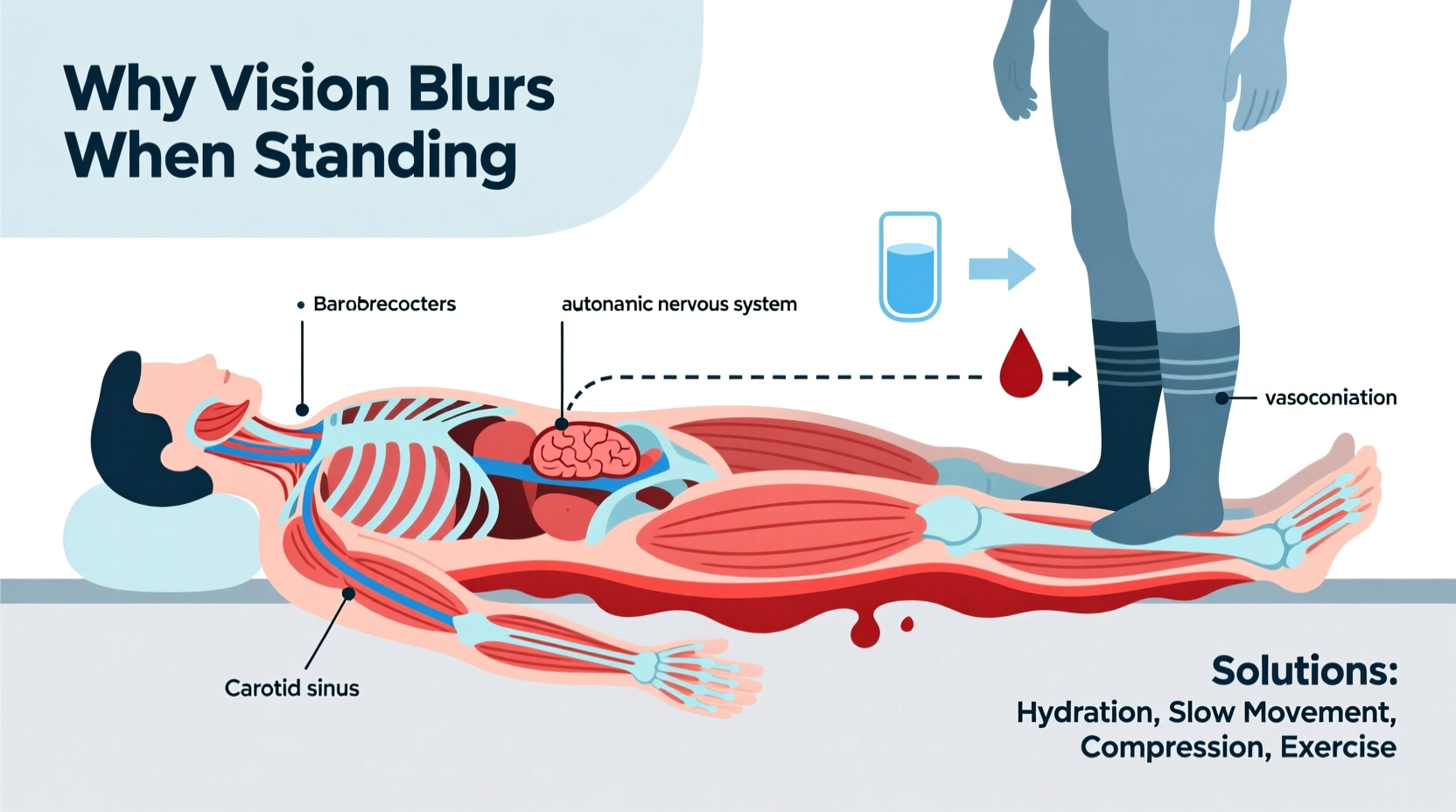
When you transition from sitting or lying down to standing, gravity immediately pulls blood into your lower extremities. In response, your autonomic nervous system triggers several rapid physiological adjustments:
- Narrowing of blood vessels (vasoconstriction) to maintain blood pressure.
- An increase in heart rate to pump blood more efficiently upward.
- Activation of baroreceptors in the neck and chest to regulate blood flow.
These processes usually happen within seconds. However, if they lag or underperform, cerebral perfusion—the delivery of oxygen-rich blood to the brain—decreases momentarily. Since the eyes rely on steady neural input from the brain’s visual cortex, any disruption in blood supply can manifest as blurriness, darkening of vision, or “seeing stars.”
Common Causes of Blurred Vision Upon Standing
Several factors can impair the body’s ability to regulate blood pressure during posture shifts. Some are benign and temporary; others may point to underlying medical conditions.
1. Dehydration
Insufficient fluid intake reduces blood volume, making it harder for the heart to maintain adequate pressure. Even mild dehydration from skipping water, excessive sweating, or alcohol consumption can trigger symptoms.
2. Medications
Certain drugs intentionally lower blood pressure or affect vascular tone, including:
- Diuretics (water pills)
- Beta-blockers
- Alpha-blockers (used for prostate issues)
- Antidepressants (especially tricyclics)
- Parkinson’s disease medications
If you started experiencing symptoms after beginning a new medication, consult your doctor before making changes.
3. Aging and Autonomic Changes
As we age, the autonomic nervous system becomes less responsive. Blood vessels don’t constrict as quickly, and heart rate adjustments may be delayed. This makes older adults more prone to orthostatic symptoms, especially those over 65.
4. Prolonged Bed Rest or Inactivity
Extended periods of immobility weaken cardiovascular responsiveness. After hospitalization or recovery from illness, patients often report dizziness upon standing due to reduced vascular tone and muscle pump efficiency.
5. Underlying Medical Conditions
Chronic diseases can disrupt normal blood pressure regulation:
- Diabetes: Can damage nerves involved in blood pressure control (autonomic neuropathy).
- Parkinson’s Disease: Affects autonomic function, leading to frequent drops in blood pressure.
- Heart Conditions: Arrhythmias or heart failure reduce cardiac output needed for upright stability.
- Anemia: Low red blood cell count limits oxygen delivery, amplifying symptoms of reduced cerebral flow.
“Transient visual blurring upon standing is often neurovascular in origin. While usually benign, persistent or worsening symptoms should prompt evaluation for autonomic dysfunction.” — Dr. Lena Torres, Neurologist and Autonomic Specialist
When to Be Concerned: Red Flags
Occasional mild blurring that resolves within seconds is generally not dangerous. However, certain signs suggest the need for medical assessment:
- Frequent or worsening episodes
- Fainting or near-fainting (syncope)
- Chest pain or palpitations during episodes
- Confusion, slurred speech, or weakness (possible neurological issue)
- Symptoms occurring even with slow position changes
Recurrent or severe orthostatic hypotension increases fall risk, especially in older individuals. Falls are a leading cause of injury-related hospitalization in seniors, so early intervention is critical.
Practical Fixes and Preventive Strategies
The good news is that most cases of postural vision blurring can be managed effectively with lifestyle modifications and awareness.
Step-by-Step Guide to Safer Position Changes
- Lie to Sit: When getting up from bed, first sit at the edge for 10–20 seconds.
- Dangle Legs: Let your feet hang off the bed to allow blood to redistribute.
- Stand Slowly: Use support (like a bed frame or wall) and rise gradually.
- Pause Before Walking: Remain still for a few seconds after standing to assess stability.
- Stay Hydrated: Drink water consistently throughout the day, especially in hot weather or after exercise.
Hydration and Electrolyte Balance
Maintaining proper hydration supports blood volume. Aim for 6–8 glasses of water daily, adjusting for activity level and climate. In some cases, adding a small amount of salt (under medical guidance) can help retain fluid and stabilize blood pressure, particularly in individuals with low-normal BP.
Compression Stockings
Wearing waist-high or thigh-high compression stockings helps prevent blood pooling in the legs. These garments apply graduated pressure, improving venous return and reducing orthostatic stress. They are especially beneficial for people with chronic venous insufficiency or those on prolonged standing routines.
Physical Counterpressure Maneuvers
Simple techniques can boost blood pressure instantly when you feel symptoms coming on:
- Leg crossing: Cross your legs while tensing leg, abdominal, and buttock muscles.
- Squatting: Lower into a squat to elevate blood flow to the head.
- Arm tensing: Press your arms together in front of your chest or squeeze a rubber ball vigorously.
These actions stimulate the sympathetic nervous system and can stave off fainting or severe blurring.
Do’s and Don’ts: Managing Postural Vision Issues
| Do’s | Don’ts |
|---|---|
| Rise slowly from lying or sitting positions | Jump up quickly after resting |
| Stay well-hydrated, especially in heat | Ignore repeated dizziness or near-fainting |
| Review medications with your doctor | Stop prescribed meds without consultation |
| Use compression garments if advised | Stand motionless for long periods |
| Engage in regular aerobic and strength training | Consume large meals followed by immediate standing |
Real-Life Example: Maria’s Experience
Maria, a 72-year-old retired teacher, began noticing that she’d see “gray spots” every time she stood up from gardening or getting off the couch. Initially, she dismissed it as aging. But after nearly falling while walking to the kitchen one morning, she consulted her primary care physician.
Her doctor reviewed her medications—she was taking a diuretic for mild hypertension—and discovered she wasn’t drinking enough fluids. Her blood pressure dropped from 130/85 mmHg lying down to 98/60 mmHg within three minutes of standing. With simple adjustments—increasing water intake, reducing sodium slightly, rising slowly, and switching to a lower dose of her medication—her symptoms resolved within two weeks.
Maria now keeps a water bottle nearby at all times and performs a “sit-and-wait” routine each morning. “I didn’t realize how much small habits could make such a big difference,” she says.
FAQ: Common Questions About Blurry Vision When Standing
Is it normal for my vision to blur every time I stand up?
Occasional mild blurring that lasts only a few seconds is relatively common, especially after lying down for a long time. However, if it happens frequently or worsens, it’s not normal and should be evaluated. Consistent symptoms may indicate an underlying issue with blood pressure regulation or medication side effects.
Can low iron cause blurry vision when standing?
Yes. Iron deficiency anemia reduces the blood’s oxygen-carrying capacity. When combined with postural changes, this can amplify feelings of lightheadedness and visual disturbances. Fatigue, pale skin, and shortness of breath are other common signs of low iron.
Should I worry if I only see stars but don’t feel dizzy?
Seeing stars or brief visual snow upon standing is often due to transient cerebral hypoperfusion. If it’s rare and resolves instantly, concern is low. However, recurring episodes—even without dizziness—deserve attention, especially if you’re over 60 or have cardiovascular risk factors.
Conclusion: Take Control of Your Stability
Blurred vision upon standing is more than just a quirky bodily glitch—it’s a signal from your circulatory system that demands attention. While often manageable through hydration, movement awareness, and medication review, ignoring persistent symptoms can lead to falls, injuries, or missed diagnoses of serious conditions.
You don’t have to live with dizziness or fear standing up. Small, consistent changes—like pausing before rising, drinking water regularly, and wearing supportive socks—can restore confidence and balance. If symptoms continue despite these efforts, seek medical evaluation to rule out neurological or cardiovascular disorders.




 浙公网安备
33010002000092号
浙公网安备
33010002000092号 浙B2-20120091-4
Comments
No comments yet. Why don't you start the discussion?