
Greek yogurt has become a staple in modern kitchens, praised for its creamy texture, tangy flavor, and impressive nutritional profile. But what exactly sets it apart from traditional yogurt? And are the health claims truly backed by science? Understanding the benefits of Greek yogurt—and how it differs nutritionally—can help you make smarter choices for protein intake, gut health, and overall wellness.
The answer lies not just in marketing but in the production process, nutrient density, and functional advantages that go beyond basic dairy consumption. Whether you're managing weight, building muscle, or supporting digestive balance, Greek yogurt offers distinct advantages worth exploring.
What Makes Greek Yogurt Different?
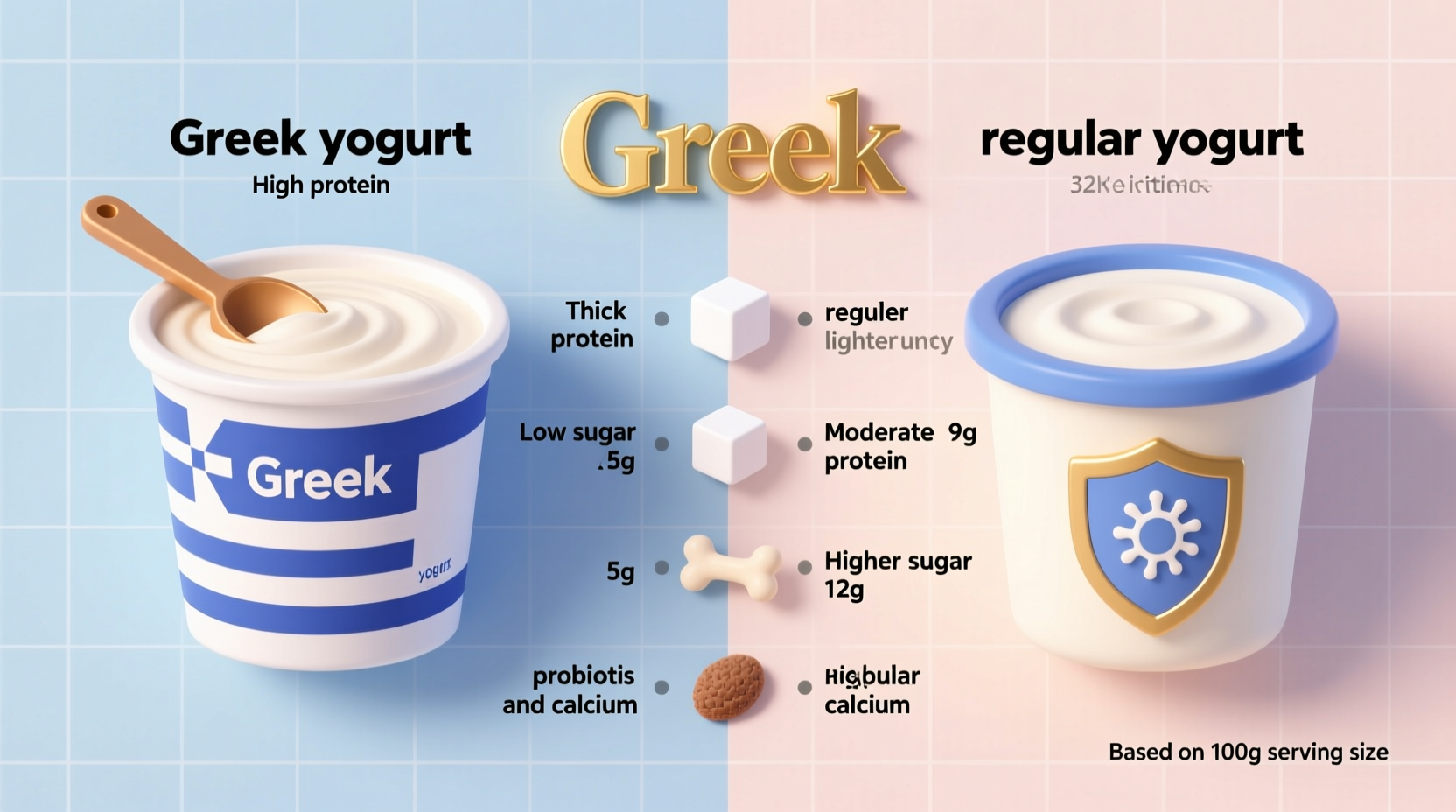
The key distinction between Greek yogurt and regular yogurt is the straining process. While both start with fermented milk, Greek yogurt undergoes additional filtration to remove much of the liquid whey, lactose, and sugar. This results in a thicker, creamier product with higher protein content and lower carbohydrates.
This concentration effect transforms the nutritional landscape significantly. For example, a 6-ounce serving of plain Greek yogurt typically contains around 15–20 grams of protein, compared to 5–9 grams in standard yogurt. At the same time, it often contains half the sugar—especially important for those monitoring blood glucose or reducing added sugars.
Nutritional Comparison: Greek vs. Regular Yogurt
To understand the real difference, consider this side-by-side breakdown based on plain, non-fat varieties (per 6 oz / 170g serving):
| Nutrient | Greek Yogurt | Regular Yogurt |
|---|---|---|
| Calories | 100–120 | 100–110 |
| Protein | 15–20g | 5–9g |
| Fat (non-fat) | 0–2g | 0–2g |
| Carbohydrates | 6–9g | 12–17g |
| Sugars (natural) | 5–7g | 10–13g |
| Calcium | 20% DV | 30% DV |
| Potassium | 400–500mg | 500–600mg |
| Probiotics | Moderate (varies by brand) | High (often more live cultures) |
While Greek yogurt wins on protein and lower sugar, regular yogurt tends to retain more calcium and potassium due to less removal during straining. Also, some conventional yogurts contain a broader spectrum of probiotic strains, which may benefit gut microbiota more comprehensively.
“Greek yogurt’s high protein content makes it an excellent tool for appetite control and muscle preservation, especially in aging populations.” — Dr. Lena Patel, Registered Dietitian and Nutrition Scientist
Top Health Benefits of Greek Yogurt
1. Supports Muscle Growth and Recovery
The high concentration of complete protein—containing all nine essential amino acids—makes Greek yogurt ideal for tissue repair and muscle synthesis. Its casein protein is slowly digested, providing a sustained release of amino acids, which is particularly beneficial when consumed before bedtime.
2. Aids in Weight Management
Due to its satiating power, Greek yogurt helps reduce hunger between meals. Studies show that high-protein diets lead to reduced calorie intake throughout the day because protein increases feelings of fullness more than fats or carbohydrates.
3. Promotes Gut Health (With Caveats)
Like all fermented dairy products, Greek yogurt contains live bacterial cultures that support digestive function. However, because of the extra straining, some brands lose a portion of these beneficial microbes. Look for labels that say “live and active cultures” to ensure probiotic potency.
4. Strengthens Bones
Although slightly lower in calcium than regular yogurt, Greek yogurt still contributes significantly to daily needs. Combined with vitamin D (if fortified), it supports bone mineral density and reduces the risk of osteoporosis over time.
5. May Improve Blood Sugar Control
Its low glycemic load and high protein content help prevent rapid spikes in blood glucose. When paired with fiber-rich fruits like berries, it becomes a balanced snack suitable even for individuals with insulin resistance.
How to Choose the Best Greek Yogurt
Not all Greek yogurts are created equal. With so many options on shelves—from full-fat to non-fat, organic to plant-based—it's crucial to read ingredient lists carefully. Here’s a quick checklist to guide your selection:
- No added sugars: Avoid products listing cane sugar, honey, or fruit syrups near the top.
- Live and active cultures: Ensures probiotic benefits for digestion and immunity.
- Minimal ingredients: Ideally, only milk and cultures. Steer clear of thickeners like modified food starch or gelatin.
- Fat content aligned with goals: Full-fat versions increase satiety and absorption of fat-soluble vitamins; non-fat suits calorie-conscious diets.
- Organic or grass-fed (optional): Reduces exposure to antibiotics and hormones while supporting sustainable farming.
Real-Life Example: Maria’s Morning Routine
Maria, a 42-year-old teacher, struggled with mid-morning energy crashes and afternoon cravings. She replaced her sugary cereal with a bowl of plain Greek yogurt mixed with almonds and blueberries. Within two weeks, she noticed improved focus, fewer hunger pangs, and gradual weight loss without feeling deprived. Her blood work also showed better lipid markers and stable fasting glucose.
This shift worked because the combination of protein, healthy fats, and fiber regulated her metabolism and insulin response—something her previous high-carb breakfast failed to do.
Common Misconceptions About Greek Yogurt
Misconception 1: All Greek yogurt is low in sugar.
Reality: Flavored varieties can contain 15–20g of sugar per serving, much of it added. Always opt for plain and sweeten naturally with fruit or cinnamon.
Misconception 2: It’s always better than regular yogurt.
Reality: While higher in protein, Greek yogurt isn’t universally superior. Regular yogurt often has more calcium and diverse probiotics. The best choice depends on individual health goals.
Misconception 3: Plant-based “Greek-style” yogurts offer the same benefits.
Reality: Most almond, coconut, or soy alternatives labeled as “Greek-style” lack comparable protein unless fortified. Check labels: many provide only 3–6g per serving versus 15+ in dairy-based versions.
FAQ: Your Greek Yogurt Questions Answered
Is Greek yogurt good for people who are lactose intolerant?
Many lactose-intolerant individuals tolerate Greek yogurt better than milk because the straining process removes some lactose, and the live cultures help digest the remainder. However, it still contains lactose, so sensitivity varies. For zero lactose, look for specifically labeled lactose-free Greek yogurt.
Can I eat Greek yogurt every day?
Yes, daily consumption is safe and potentially beneficial for most people, provided it fits within your dietary pattern. Just be mindful of total saturated fat and sugar intake, especially if choosing flavored or full-fat versions regularly.
Does cooking with Greek yogurt reduce its benefits?
Heating kills live probiotics, so cooked applications (like in sauces or baked goods) won’t deliver gut-health benefits. However, the protein and nutrients remain intact, making it a healthy substitute for sour cream or mayonnaise.
Conclusion: Make Informed Choices for Better Health
Greek yogurt isn’t just a trend—it’s a nutritionally dense food with tangible benefits for muscle maintenance, appetite control, and metabolic health. By understanding how it differs from regular yogurt and learning to select high-quality options, you can harness its full potential without falling for marketing traps.
Whether used as a post-workout snack, a base for savory dips, or a creamy addition to breakfast bowls, Greek yogurt earns its place in a balanced diet. The key is choosing wisely, reading labels, and pairing it with whole foods for maximum impact.




 浙公网安备
33010002000092号
浙公网安备
33010002000092号 浙B2-20120091-4
Comments
No comments yet. Why don't you start the discussion?