
The phrase “why had understanding correct grammar and usage” may seem grammatically awkward at first glance — and that’s precisely the point. It highlights how crucial proper grammar is in conveying meaning clearly. While the intended message might be something like “Why is understanding correct grammar and usage important?” the original phrasing creates confusion. This small example underscores a much larger truth: mastering grammar isn’t about rigid rules or academic perfection. It’s about clarity, credibility, and connection. In both personal and professional contexts, the ability to use language correctly directly impacts how ideas are received, how people are perceived, and how effectively communication succeeds.
The Role of Grammar in Clear Communication
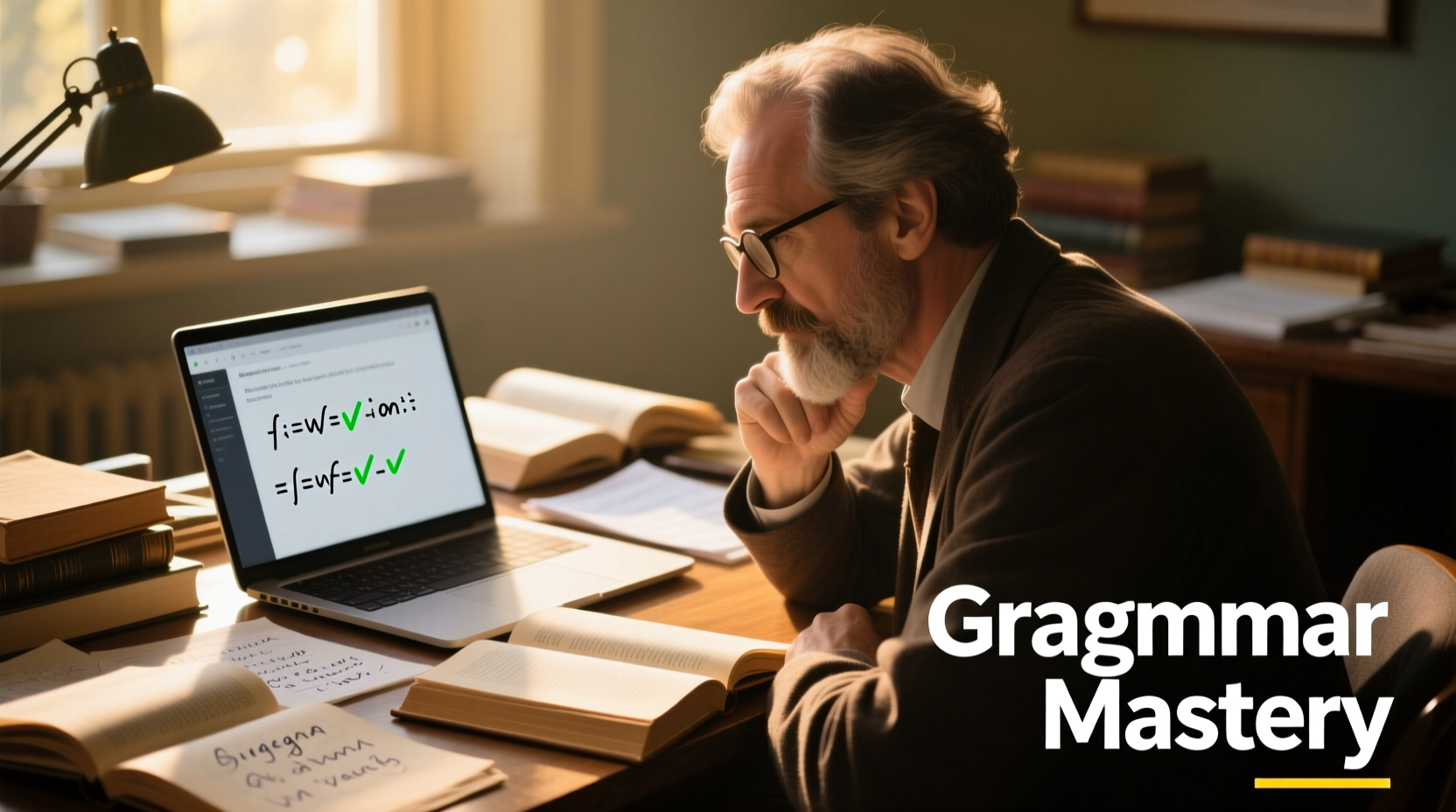
At its core, grammar is the structural framework of language. Just as a building needs a solid foundation to stand, sentences require proper syntax, punctuation, and word choice to convey ideas accurately. Misplaced modifiers, incorrect verb tenses, or faulty subject-verb agreement can distort meaning and lead to misunderstandings. Consider the difference between “Let’s eat, Grandma” and “Let’s eat Grandma.” A single comma changes the entire implication — from a friendly dinner invitation to a cannibalistic suggestion.
Correct grammar ensures that readers interpret messages as intended. In formal writing — such as reports, emails, or academic papers — even minor errors can undermine clarity. For instance, using “their,” “there,” and “they’re” interchangeably may seem trivial, but over time, these mistakes erode trust in the writer’s attention to detail and overall competence.
Professional Credibility and Career Advancement
In the workplace, written communication is often the first impression you make. Whether it’s a cover letter, client email, or internal memo, poor grammar can signal carelessness or lack of professionalism. A study by Grammarly found that job candidates with fewer writing errors were more likely to be perceived as competent, intelligent, and hireable — regardless of their actual qualifications.
Executives and hiring managers frequently cite writing ability as a key differentiator among applicants. In fields like law, marketing, education, and public relations, precise language isn’t just helpful — it’s essential. Lawyers draft contracts where a misplaced comma could alter legal obligations. Journalists write headlines that must be unambiguous under tight deadlines. Even in technical roles, engineers and developers must document processes clearly for team collaboration.
“Clear writing reflects clear thinking. When someone communicates well in writing, we assume they think well too.” — Dr. Rebecca Johnson, Linguistics Professor, University of Oregon
Grammar as a Tool for Persuasion and Influence
Beyond clarity and professionalism, correct grammar enhances persuasive power. Well-structured sentences flow naturally, guiding readers through arguments logically. When grammar is inconsistent or incorrect, the audience may struggle to follow the reasoning, causing them to disengage or doubt the message.
For example, consider two versions of a proposal:
- Poor grammar: \"We should invest in this project because it will help us grow and the numbers look good.\"
- Strong grammar: \"We should invest in this project because it aligns with our growth strategy and demonstrates strong projected returns.\"
The second version not only uses more precise vocabulary but also employs correct parallel structure and formal tone, making it more convincing. Subtle shifts in grammar and word choice shape tone, authority, and intent — tools every effective communicator must master.
Common Grammatical Pitfalls and How to Avoid Them
Even experienced writers occasionally stumble on common grammar issues. Below is a checklist of frequent errors and practical ways to correct them.
- Confusing “your” (possessive) with “you’re” (contraction of “you are”)
- Misusing “its” (possessive) vs. “it’s” (contraction of “it is”)
- Using passive voice when active voice is clearer (e.g., “The report was submitted by John” vs. “John submitted the report”)
- Faulty subject-verb agreement (e.g., “The list of items are long” → “The list of items is long”)
- Run-on sentences without proper punctuation or conjunctions
- Dangling modifiers (e.g., “Running down the street, the dog chased the man” – implying the dog was running down the street, not the man)
| Common Error | Incorrect Example | Corrected Version |
|---|---|---|
| Who vs. Whom | Who should I contact? | Whom should I contact? |
| Apostrophe misuse | The company’s are expanding. | The companies are expanding. |
| Comma splice | I finished the report, now I need feedback. | I finished the report; now I need feedback. |
| Tense inconsistency | She walked into the room and says hello. | She walked into the room and said hello. |
Real-World Impact: A Mini Case Study
Sarah, a mid-level marketing manager, drafted a campaign summary for her department head. The content was strong — data-driven and creative — but riddled with minor errors: missing commas, inconsistent verb tenses, and several instances of “then” used instead of “than.” Her supervisor returned the document with extensive edits and a note: “Good insights, but please proofread before submitting next time.”
Over the next quarter, Sarah began using grammar-checking software, reviewed basic grammar guides, and asked a colleague to review her drafts. On her next submission, the feedback changed dramatically: “Excellent work — clear, concise, and professionally presented.” Within six months, she was promoted to lead strategist. While grammar wasn’t the sole factor, it played a critical role in shaping perceptions of her reliability and attention to detail.
Step-by-Step Guide to Improving Grammar Skills
Improving grammar doesn’t require a degree in linguistics. With consistent practice and the right approach, anyone can enhance their command of language. Follow this five-step process:
- Identify Your Weaknesses: Review past writing for recurring errors. Are you mixing up homophones? Struggling with punctuation? Pinpoint 2–3 areas to focus on first.
- Use Reliable Resources: Refer to trusted grammar guides like *The Elements of Style* by Strunk and White, or online tools like Purdue OWL or Grammarly’s free handbook.
- Practice Daily: Write short paragraphs or journal entries with a focus on one rule at a time — for example, using semicolons correctly or maintaining consistent verb tense.
- Read Actively: Pay attention to sentence structure in well-written articles, books, or essays. Notice how authors use punctuation, transitions, and syntax to build rhythm and clarity.
- Get Feedback: Share your writing with a mentor, peer, or online community. Constructive criticism accelerates improvement far more than self-correction alone.
FAQ
Does grammar really matter in the age of texting and instant messaging?
Yes — context determines standards. While informal communication allows for relaxed grammar, knowing the rules lets you choose when to bend them. More importantly, professional and academic settings still demand precision. Mastery means you can switch registers appropriately.
Can good grammar improve SEO and online content performance?
Absolutely. Search engines increasingly prioritize readability and coherence. Well-structured, grammatically correct content ranks higher because it provides better user experience. Additionally, fewer errors increase credibility, encouraging longer dwell times and more shares.
Is it too late to learn proper grammar as an adult?
It’s never too late. Language skills are highly adaptable. With deliberate practice, adults can not only learn but master grammar principles quickly. Many professionals retrain their writing habits successfully through workshops, apps, and daily reading.
Conclusion
Understanding correct grammar and usage is not about conforming to outdated rules or showing off vocabulary. It’s about empowering yourself to communicate with confidence, precision, and impact. Whether you're crafting a resume, sending an email, or posting on social media, the way you use language shapes how others see you — and how effectively your ideas spread. In a world saturated with information, clarity is currency. Invest in your grammar, and you invest in your voice.




 浙公网安备
33010002000092号
浙公网安备
33010002000092号 浙B2-20120091-4
Comments
No comments yet. Why don't you start the discussion?