
Avocado toast has become a staple of modern breakfast culture—creamy, nutritious, and effortlessly stylish. But there’s a common frustration that undermines even the most carefully sourced ingredients: sogginess. No matter how ripe your avocado or artisanal your bread, if your toast collapses under its own weight, the experience falls flat. The good news? Professional chefs have long cracked the code. With the right techniques, you can achieve golden, crisp bread that supports every bite without surrendering to moisture.
The issue isn’t just about using stale bread or over-mashing avocado—it’s a combination of ingredient timing, preparation method, and heat control. By understanding the science behind toast structure and moisture transfer, you can elevate a simple dish into something restaurant-worthy.
The Science Behind Soggy Toast
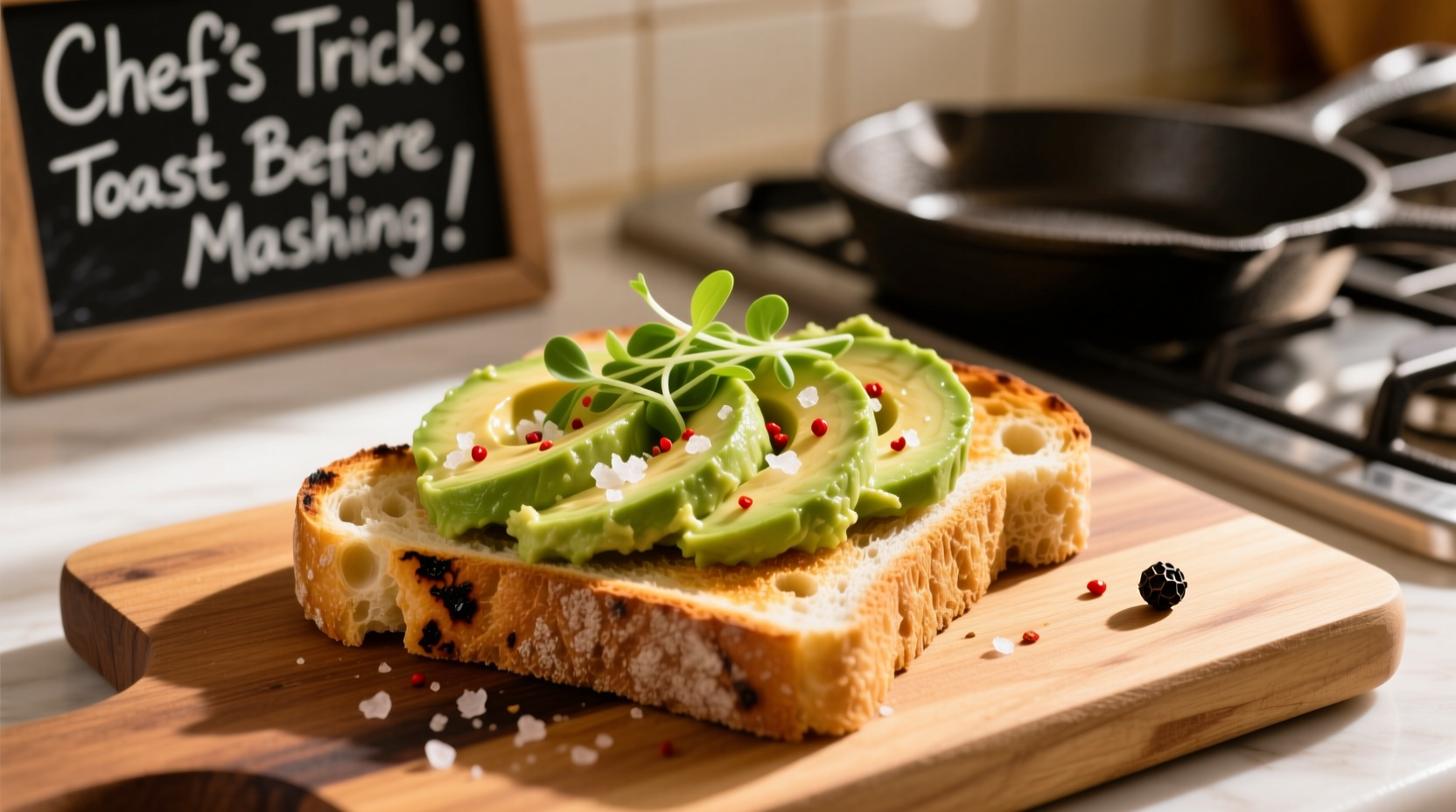
When bread is toasted, its surface undergoes the Maillard reaction—a chemical process that browns the crust and strengthens its structure by reducing moisture content. This creates a protective barrier. However, this barrier is temporary. As soon as moist toppings like avocado, tomato, or poached egg are added, water begins migrating from the topping into the porous bread. Within minutes, the crispness fades, and the toast softens.
Moisture migration happens faster when:
- The bread is thinly sliced (less structural integrity)
- The toast cools too much before topping (condensation forms)
- Avocado is overly mashed or mixed with liquid ingredients like lemon juice too early
- The bread wasn’t toasted long enough or at high enough heat
According to Chef Maria Lopez, who spent years refining brunch menus at top-tier New York cafes, “Soggy toast isn’t a flaw in the recipe—it’s a flaw in timing and technique. You’re not making avocado toast; you’re building a layered system where texture matters as much as flavor.”
“Treat toast like a foundation. If it fails, the whole structure crumbles.” — Chef Daniel Park, Culinary Instructor at Pacific Coast Cooking Academy
Chef-Approved Techniques for Crisp, Never-Soggy Toast
The key to perfect avocado toast lies not in reinventing the dish but in refining each step with precision. Here are five professional methods used in commercial kitchens to preserve crunch.
1. Choose the Right Bread—and Slice It Thick
Not all breads are created equal when it comes to supporting wet toppings. Dense, high-protein sourdough is ideal because it toasts evenly and develops a sturdy crust. Avoid soft sandwich loaves or pre-sliced white bread—they lack the fiber density to resist moisture.
Opt for slices at least ¾ inch thick. Thicker cuts provide more internal structure and delay moisture penetration.
2. Toast It Twice (Yes, Really)
Double toasting is a pro trick used in high-volume brunch spots. First, toast the bread until it’s dry and firm but not yet golden. Let it cool slightly—this stabilizes the internal starch structure. Then, toast it a second time just before serving. The result is a shell-like exterior that resists softening.
This method works especially well with artisan loaves that retain some internal moisture even after initial toasting.
3. Use the Broiler, Not the Toaster
While convenient, standard pop-up toasters often underheat the center while burning the edges. A broiler provides even radiant heat from above, creating a uniformly crisp surface. Place bread on a baking sheet, position it 4–6 inches from the heat source, and broil for 2–3 minutes per side until deeply golden.
For an extra layer of protection, brush the hot toast with olive oil immediately after broiling. The oil fills microscopic pores, forming a hydrophobic seal.
4. Season the Avocado After Toasting
A common mistake is seasoning the avocado mash ahead of time. Salt draws out moisture through osmosis, turning your creamy spread into a watery pool. Lemon juice, while bright, adds liquid that accelerates sogginess.
Instead, keep avocado plain until the very last moment. Mash it gently with a fork, leaving small chunks for texture, and season only after placing it on the warm toast.
5. Build Up, Not Out
Spread avocado in a mound rather than a thin layer. A raised center reduces surface contact between the topping and bread, minimizing moisture transfer. Think of it like a hilltop home—elevated and protected.
Step-by-Step: How to Make Perfect Avocado Toast
Follow this sequence to ensure maximum crispness and flavor balance every time.
- Preheat your broiler or toaster oven to high. Position the rack appropriately.
- Slice sourdough at least ¾ inch thick. Lightly brush both sides with olive oil if desired.
- Toast the first round: Broil for 2–3 minutes per side until dry and lightly browned. Set aside.
- Prepare avocado: Cut and pit one ripe avocado. Scoop flesh into a bowl. Do not add salt, lemon, or liquids yet.
- Second toast: Just before serving, return bread to the broiler for 60–90 seconds to re-crisp.
- Season immediately: Remove toast, lightly salt it, then top with avocado. Now add lemon juice, flaky salt, red pepper, or herbs.
- Serve within 1 minute: Eat immediately while the temperature differential keeps the base dry.
Do’s and Don’ts: A Quick Reference Table
| Do | Don’t |
|---|---|
| Use thick-cut sourdough or country loaf | Use pre-sliced sandwich bread |
| Toast twice—initial dry toast + final crisp | Rely solely on a toaster |
| Season avocado after placing on toast | Mix avocado with lemon juice or salt in advance |
| Serve immediately on a warm plate | Let assembled toast sit for more than 2 minutes |
| Add toppings like radish or microgreens on top of avocado | Place wet ingredients (tomato, cucumber) directly on bread |
Real Example: From Soggy to Stellar in One Weekend
Jamie, a home cook from Portland, had given up on avocado toast. “Every time I made it, the bread turned into mush by the third bite,” she said. She loved the flavors but hated the texture. After reading about double toasting and adjusting her prep order, she tried the broiler method with a thick-cut sourdough from her local bakery.
She toasted the bread initially in the morning, let it cool on a wire rack, and stored it loosely covered. At breakfast time, she re-crisped it under the broiler, mashed her avocado fresh, and seasoned it only after placing it on the hot toast. “It stayed crisp all the way through,” she said. “I could actually hear the crunch. It felt like I was eating it for the first time.”
Her only adjustment now? Adding a sprinkle of everything bagel seasoning just before serving—after the avocado—to avoid drawing out moisture.
Checklist: Never-Soggy Avocado Toast at a Glance
Keep this checklist handy for consistent results:
- ☑ Use thick-cut, dense bread (sourdough preferred)
- ☑ Toast bread until deeply golden, not just light brown
- ☑ Consider double toasting for extra resilience
- ☑ Broil instead of using a pop-up toaster when possible
- ☑ Keep avocado unseasoned until the final moment
- ☑ Add salt and acid (lemon, vinegar) only after topping the toast
- ☑ Serve immediately on a warm plate
- ☑ Layer wet ingredients (like tomatoes) on top of avocado, not beneath
- ☑ Store leftover toasted bread in a paper bag—never plastic—to maintain crispness
Frequently Asked Questions
Can I make avocado toast ahead of time?
Not without sacrificing texture. While you can pre-toast bread and store it in a paper bag for up to 24 hours, avocado should always be prepared fresh. Pre-mashing leads to oxidation and moisture release. The best approach is to toast and season at the last minute.
What if I don’t have a broiler or oven?
A cast-iron skillet works nearly as well. Heat it over medium-high, add bread, and press down lightly. Cook 2–3 minutes per side until crisp. The direct contact creates a superior crust. Finish with a quick brush of olive oil while hot.
Does buttered toast hold up better than dry toast?
Butter adds flavor but can soften the structure if used excessively. Clarified butter or a light drizzle of olive oil is better—the fats are purer and create a more effective moisture barrier without weighing down the bread.
Final Thoughts: Mastery Is in the Method
Perfect avocado toast isn’t about expensive ingredients or fancy garnishes. It’s about respecting the physics of food. Heat, moisture, and timing govern whether your breakfast delights or disappoints. By adopting these chef-tested practices—double toasting, strategic seasoning, and proper layering—you transform a simple dish into a textural triumph.
The next time you find yourself staring at a sad, limp slice, remember: sogginess is preventable. It’s not the avocado’s fault. It’s not the bread’s fault. It’s a systems problem—one that precision and awareness can solve.




 浙公网安备
33010002000092号
浙公网安备
33010002000092号 浙B2-20120091-4
Comments
No comments yet. Why don't you start the discussion?