
Betta fish are prized for their vibrant colors and flowing fins, making them a favorite among aquarium enthusiasts. When you notice your betta beginning to lose its color—especially turning white—it can be alarming. While some changes are natural, others may signal underlying health or environmental problems. Understanding the root cause is essential to restoring your fish’s vitality. This guide explores the most common reasons behind a betta fish turning white, including stress, disease, poor water conditions, and aging, and provides practical solutions to help your fish thrive.
Common Causes of Color Loss in Betta Fish
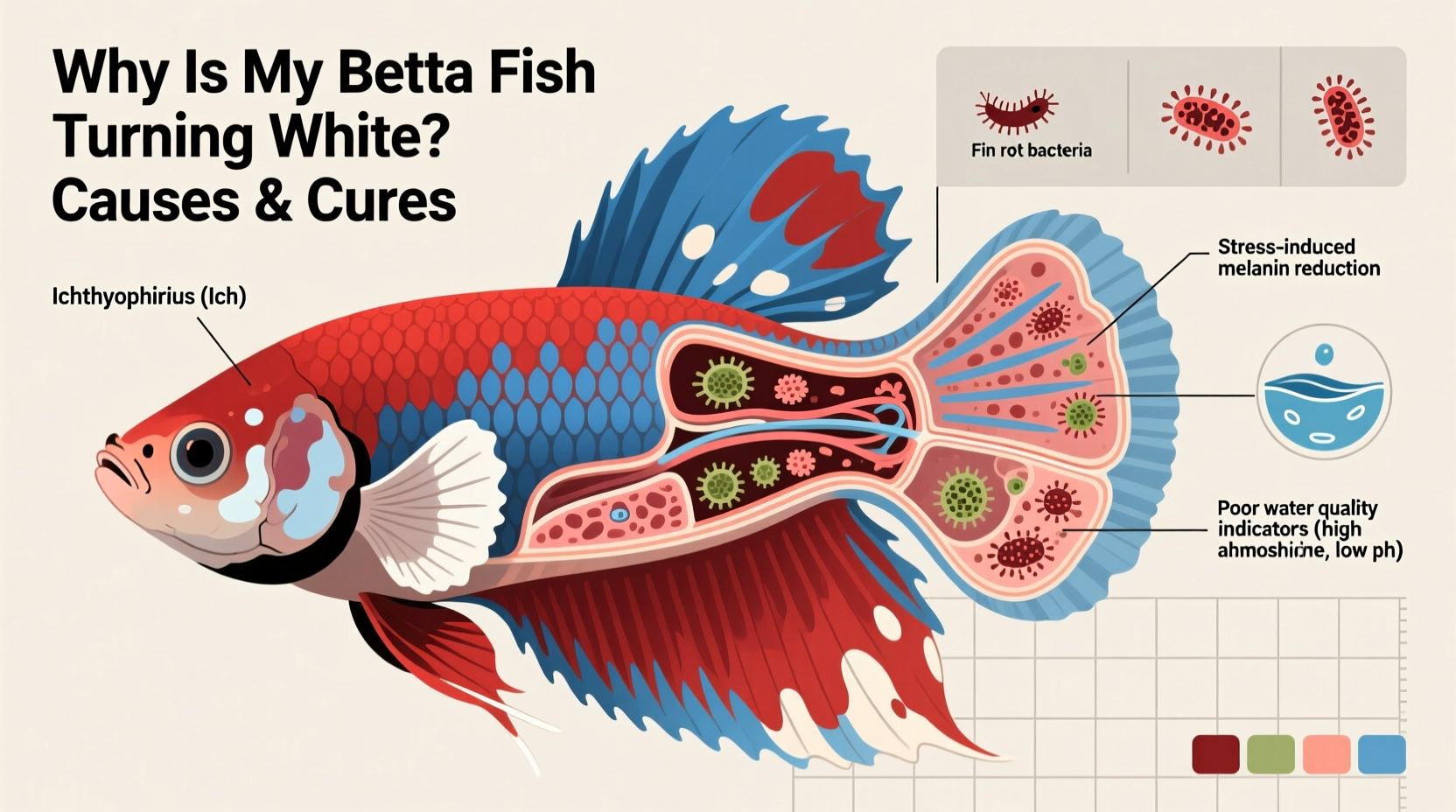
Color fading or whitening in bettas isn't always a sign of serious illness, but it should never be ignored. Several factors can contribute to this change, ranging from environmental stressors to biological processes. Identifying the specific cause is the first step toward effective treatment.
1. Stress from Poor Water Conditions
Water quality is the cornerstone of betta health. Elevated levels of ammonia, nitrites, or nitrates can cause chronic stress, leading to dullness or whitening of the skin. Cloudy water, algae buildup, or infrequent water changes often contribute to deteriorating tank conditions.
Stress weakens the immune system, making fish more susceptible to infections and affecting pigment production. Bettas kept in undersized tanks (less than 5 gallons) are particularly prone to stress due to limited space and unstable water parameters.
2. Fungal or Bacterial Infections
White discoloration can sometimes be a symptom of fungal or bacterial infections. Columnaris, often mistaken for a fungal infection, appears as white or grayish patches around the mouth, gills, or fins. True fungal infections usually manifest as cotton-like growths but may also cause generalized paleness.
These infections typically occur when the fish is already stressed or injured. Open wounds from fin nipping or rough handling provide entry points for pathogens.
3. Ich (White Spot Disease)
One of the most common parasitic diseases in freshwater fish, Ichthyophthirius multifiliis (Ich), presents as tiny white dots resembling salt grains on the body and fins. While not a uniform whitening, heavy infestations can make the fish appear pale or washed out.
Ich thrives in fluctuating temperatures and stressed fish. It is highly contagious and requires prompt treatment to prevent fatalities.
4. Natural Aging Process
Like many animals, bettas undergo natural color changes as they age. Most bettas live 2–4 years, and as they approach the later stages of life, their pigmentation may fade. This is especially noticeable in younger fish that were intensely colored due to selective breeding.
This type of whitening is gradual and typically affects the entire body evenly. If the fish remains active, eats well, and shows no other signs of illness, aging may be the primary factor.
5. Genetic Factors and Breeding
Some bettas are genetically predisposed to color shifts. For example, \"marble\" bettas carry a gene that causes random color changes throughout their lives. A red or blue betta may develop white patches or turn completely white due to this transposon gene activity.
This is not harmful and doesn’t require treatment. However, sudden changes in non-marble varieties should still be evaluated for health concerns.
Water Quality and Its Impact on Betta Health
The condition of your aquarium water plays a decisive role in your betta’s appearance and well-being. Even slight imbalances can trigger stress responses that lead to color loss.
| Parameter | Safe Range for Bettas | Risk if Outside Range |
|---|---|---|
| pH | 6.5 – 7.5 | Color loss, gill damage, lethargy |
| Ammonia | 0 ppm | Burns, stress, organ failure |
| Nitrite | 0 ppm | Respiratory distress, death |
| Nitrate | Under 20 ppm | Chronic stress, weakened immunity |
| Temperature | 76–80°F (24–27°C) | Metabolic slowdown, disease susceptibility |
Maintaining stable water conditions requires consistent maintenance. Small tanks and bowls are especially vulnerable to rapid parameter swings. Upgrading to a cycled 5-gallon or larger tank with a filter significantly improves long-term stability.
“Over 80% of betta health issues I see in clinics stem from poor water quality or inappropriate housing.” — Dr. Lena Reyes, Aquatic Veterinarian
Step-by-Step Guide to Diagnosing and Treating a Whitening Betta
If your betta is losing color, follow this structured approach to identify and resolve the issue.
- Observe Behavior: Check for signs of illness such as clamped fins, labored breathing, loss of appetite, or rubbing against objects (flashing).
- Test Water Parameters: Use a reliable liquid test kit to check ammonia, nitrite, nitrate, pH, and temperature. Address any imbalances immediately.
- Inspect for Physical Symptoms: Look closely for white spots (Ich), fuzzy growths (fungus), or lesions. Use a magnifying glass if needed.
- Review Tank Setup: Ensure the tank is at least 5 gallons, heated, filtered, and free of sharp decorations. Confirm there are no aggressive tank mates.
- Perform a Water Change: Replace 25–50% of the water with conditioned water matching the tank temperature.
- Isolate if Necessary: If disease is suspected, move the betta to a quarantine tank to prevent spreading and allow targeted treatment.
- Begin Treatment: Choose medication based on diagnosis—anti-parasitic for Ich, antifungal for infections, etc. Follow dosage instructions carefully.
- Monitor Progress: Track changes daily. Improvement should be visible within 3–5 days of proper treatment.
Prevention Checklist: Keeping Your Betta Healthy and Colorful
Preventing color loss is easier than reversing it. Use this checklist to maintain optimal conditions:
- ✅ Maintain a minimum 5-gallon heated and filtered tank
- ✅ Perform weekly 25% water changes
- ✅ Test water parameters every 7 days
- ✅ Keep temperature between 76–80°F (24–27°C)
- ✅ Feed high-quality pellets supplemented with frozen or live foods
- ✅ Avoid overcrowding and incompatible tank mates
- ✅ Provide hiding spots with silk plants or caves
- ✅ Quarantine new fish before introduction
- ✅ Clean decorations and substrate monthly
- ✅ Observe your betta daily for early signs of distress
Real-Life Example: Recovering a Stressed Betta
Sarah noticed her blue crown-tail betta, Apollo, was developing a milky-white film over his gills and had stopped flaring at his reflection. He was kept in a 1-gallon unheated bowl with weekly water changes. After testing, she found ammonia levels at 1.0 ppm and pH at 6.0.
She upgraded Apollo to a 5-gallon cycled tank with a heater and sponge filter. She performed a 50% water change and began treating with a broad-spectrum antibacterial medication for five days. Within a week, Apollo’s breathing improved, the white film receded, and his color gradually returned. Sarah now tests water weekly and feeds a varied diet, and Apollo remains active and vibrant months later.
This case illustrates how seemingly minor oversights—like tank size and inconsistent testing—can have major consequences. Correcting the environment led to full recovery without permanent damage.
Frequently Asked Questions
Can a betta fish turn white from stress?
Yes, prolonged stress from poor water quality, loud environments, or aggressive tank mates can cause temporary color loss. Once stressors are removed, color often returns within a few weeks.
Is it normal for older bettas to lose color?
Yes, as bettas age, their pigmentation naturally fades. This is especially true for intensively bred varieties. As long as the fish is eating and active, it’s likely a normal part of aging.
Should I use aquarium salt for a whitening betta?
Aquarium salt can help reduce stress and support slime coat production, but it is not a cure-all. It may assist in mild cases of infection or osmotic stress, but avoid using it if the betta has open sores or is suffering from certain diseases like velvet. Always research compatibility before adding any additives.
Conclusion: Act Early, Care Consistently
A betta fish turning white is a warning sign that should prompt immediate attention. While some causes, like aging or genetics, are harmless, others—such as poor water quality, infections, or parasites—require swift intervention. By maintaining a clean, stable environment, observing your fish daily, and acting quickly at the first sign of trouble, you can preserve both your betta’s health and its stunning appearance.
Remember, a vibrant betta is a reflection of thoughtful care. Invest in the right equipment, commit to routine maintenance, and educate yourself on proper fishkeeping practices. Your betta depends on you for a safe and enriching home.




 浙公网安备
33010002000092号
浙公网安备
33010002000092号 浙B2-20120091-4
Comments
No comments yet. Why don't you start the discussion?